The Starlink Mini’s power story is simultaneously its best feature and its worst-documented one. Starlink’s own materials say “USB-C PD” and move on, which leaves owners to discover through trial and error which chargers work, which power banks brown out, and why the dish reboots every twelve minutes on a charger that is technically “65W.” We spent a season measuring all of it with a USB-C power meter and a battery shunt, and this guide collects the numbers, the standards behind them, and the five realistic ways to power the Mini – official and third-party – with honest tradeoffs for each.
What the Mini Actually Draws
Start with the load, because everything else follows from it. Measured at the meter over weeks of mixed use:
- Idle and browsing: 15-22W. The dish steps its transmit power with activity, so a parked connection sips less than an active one.
- Typical use: 20-30W sustained. Video calls, streaming, sync jobs – the dish cruises in this band. Our six-month dual-internet test logged a 25-32W average across full workdays (that test is written up in our Starlink vs 5G comparison).
- Boot and spikes: 40W+ for the first minute or two after power-on, and during high-throughput bursts.
- Cold mornings: the Mini runs a modest heater element. Expect cold-weather consumption to sit noticeably above the baseline, though nothing like the Standard dish’s full snow-melt draw.
The practical takeaway: a power source that holds 60W reliably covers the Mini with margin. A source that only promises “up to 65W” across multiple ports, or that sags on a long cable, does not.
The USB-C PD Spec, Decoded Without Marketing
USB Power Delivery is a negotiation protocol, not a wattage guarantee. A “65W charger” advertises fixed profiles – commonly 20V at 3.25A – and the Mini requests the highest profile it supports. Three failure modes explain almost every “my charger doesn’t work” report we have seen:
- Multi-port budget sharing. Many chargers advertise a combined wattage: 65W total, but 45W when two ports are active. Plug a laptop into the second port and the Mini’s allocation collapses mid-session. The dish does not crash gracefully; it reboots, repeatedly. Use a single-port charger or a charger with fixed per-port commitments.
- Cable lies. Full 60W (20V/3A) needs a cable with a proper e-marker chip and 20V-rated wiring – most short braided cables are fine, but long “10ft USB-C” cables from marketplace sellers frequently carry 60W only on paper. If the dish cycles under load, swap the cable before blaming the charger.
- Brown-out under burst. The Mini’s 40W+ boot spike and transmit bursts are where weak power supplies fold. A bank that reads “65W” but sustains 55W under load will boot the dish fine and then drop it during heavy use – the most maddening failure mode there is, because it mimics an obstruction or service problem. (We learned this the hard way and wrote it up in the accessories-regrets piece.)
Five Ways to Power the Mini, Compared
1. The official 60W wall supply. The reference standard: it negotiates cleanly, holds 20V/3A indefinitely, and costs about what a decent third-party charger costs. Its one flaw is the wall-wart shape – it is bulky in a travel case, and for van builds you probably do not want to invert 12V up to mains just to come back down. Keep it as the “at home, at a campsite with shore power” option.
2. A verified single-port 65W+ power bank. This is the Mini’s killer feature – no dish Starlink sells runs from a pocketable battery, and this one does. But the bank must sustain its rating. The ones we verified for this purpose are listed in our Mini mounts and power bank guide; the short version is to buy banks that publish sustained output and have independent reviews confirming it under load. Runtime math: a 100Wh bank at 25W average draw gives roughly 3.5-4 hours; a 200-300Wh unit is a full workday plus margin.
3. A 12V USB-C PD car adapter (45-60W, single port). For vehicle use this beats an inverter on every axis – efficiency, heat, wiring cleanliness. The requirement that matters: the adapter must be PD (it negotiates 20V), not a legacy 12V USB adapter with a “fast charge” sticker that tops out at 9V. The Mini will not boot from a 9V profile. Spend the extra $10 on a name-brand PD unit and add a fuse tap on the supply side.
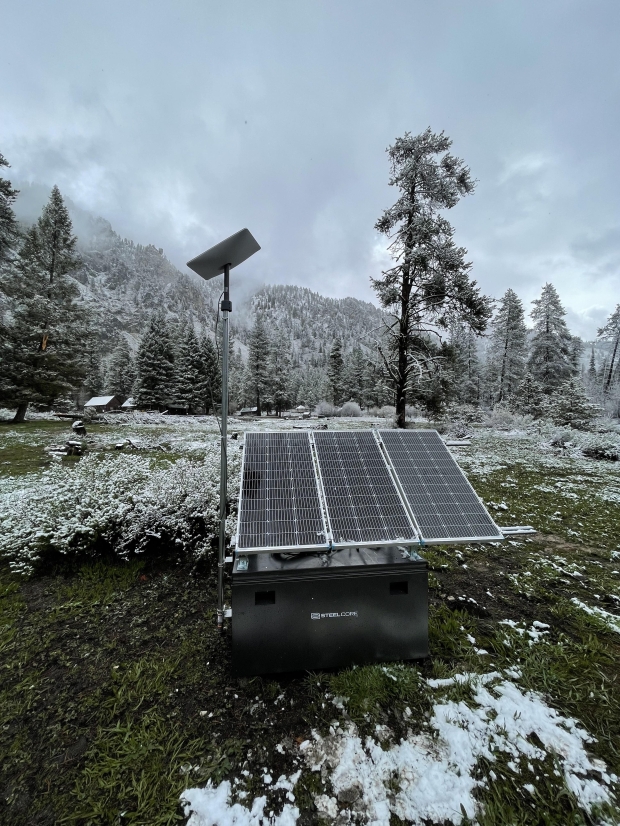
4. A small power station (250-500Wh). The scaling option. At the Mini’s 25-32W average, a 300Wh station runs the dish 9-11 hours, and a 500Wh unit with solar recharge becomes a permanent off-grid internet node – our power station runtime tests measured exactly this against EcoFlow, Jackery, and Anker units, and the solar sizing guide covers the panel math for running it indefinitely.
5. A DIY 12V-to-USB-C PD converter board. The tinkerer’s route: a PD trigger/converter module fed from a 12V or 24V battery rail, wired to a USB-C socket, set to deliver a 20V profile. Done properly – with a module genuinely rated for 60W+ continuous and short, thick leads – this is the most efficient and tidiest solution in a fixed install. Done badly, it is the least reliable. Two rules: convert as close to the load as possible to minimize voltage drop, and fuse the input side within an inch of the battery. If any of that sounds intimidating, option 3 exists precisely for you.
| Product | Best For | Key Features | Price |
|---|---|---|---|
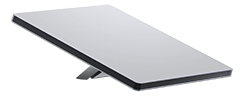 | The Baseline - Official 60W USB-C Supply |
| Check Price on Amazon |
 | Mobile Workhorse - Verified 65W+ PD Power Bank |
| Check Price on Amazon |
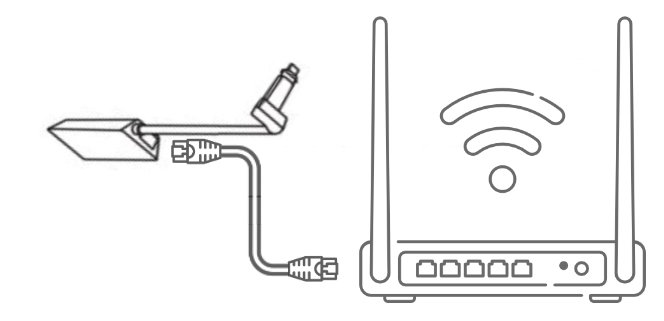 | Van Install - 12V Single-Port PD Car Charger |
| Check Price on Amazon |
Sizing the System: Worked Examples
Put the numbers to work for two common owners. The weekend hiker: Mini + a 100Wh bank + the official supply in a pack. At 25W average you get an afternoon of connectivity, which covers navigation, messaging, and a couple of calls – recharge the bank overnight from a wall or a small folding panel.
The full-time van dweller: Mini on the roof rack, Router Mini inside (the revised one runs straight off the 12V bank at 9-24V input – it draws only a handful of watts), a 12V PD adapter as the dish’s primary feed, and a 200W solar setup recharging a 200Ah battery. The dish becomes a rounding error in the daily energy budget, around 250Wh, versus the 600-1,000Wh an inverter-based Standard dish rig would eat. The difference is why the Mini has quietly become the default dish for small solar builds.
Four Mistakes That Cause Most Mini Power Problems
- Daisy-chained adapters. Wall charger into a pass-through strip into the dish – every connection is a negotiation point and a voltage drop. One cable, one charger.
- Long, thin cables from a trigger-board or car install. Voltage drop over 3 meters of 24AWG wire can pull a nominally adequate supply below spec at the dish. Use short runs of thicker cable at the low-voltage side.
- Standby draw surprises. The dish idles at 15W+ even when “not in use.” On a small battery bank, that is a 40-60Wh nightly tax – switch it off at the power source if you are not using it, or size the bank for the idle draw.
- Assuming all “PD” banks handle bursts. Peak ratings are marketing; sustained ratings are engineering. A bank that cannot hold 45W+ during the boot spike will loop-reboot the dish forever, and no amount of firmware updates fixes a battery that sags.
Quick Answers
Can the Mini run on a 45W charger? Often, yes – typical draw sits below that – but boot spikes and cold-weather heating push past it. We would not run one as the primary supply; 60W is the honest floor.
Does the Mini support snow melt like the big dishes? It has a modest heater, not the Standard dish’s full snow-melt system. Expect elevated draw in freezing weather and clear heavy accumulations manually.
Can I run the Mini and a Router Mini from the same battery? Yes – the revised Router Mini’s 9-24V input and the dish’s PD feed coexist happily on a fused 12V distribution block. Combined draw with both idle is modest.
Is the official supply worth carrying when a bank can do it all? The bank cannot charge itself and power the dish indefinitely. For anything longer than a workday, shore power or solar needs the official supply in the chain somewhere.
Power is the one area where the Mini genuinely outclasses its bigger siblings – a dish that runs off the same connector as a laptop changes what “portable internet” means. Respect the negotiation protocol, buy sources with sustained ratings, and the little dish will run as long as your battery does.