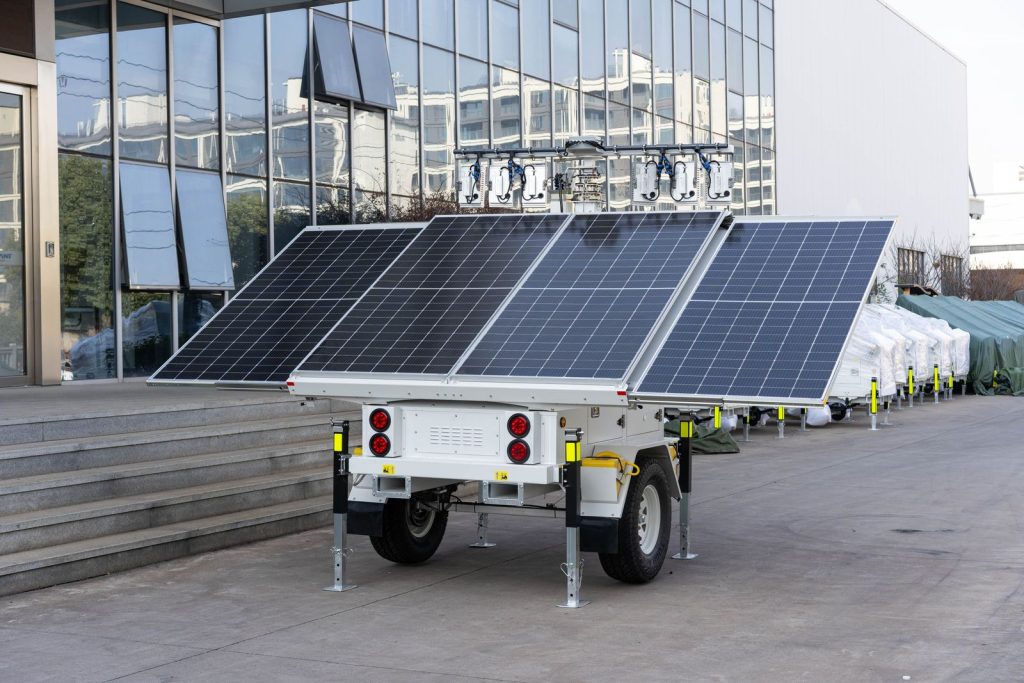
A 500Wh battery running a Starlink Mini is a number people repeat at campgrounds with too much confidence and not enough arithmetic. The honest answer sits in a range, and the range is wide: somewhere between ten hours and eighteen, depending on three things you control and one you do not.
We have run this exact setup on a boat in November, in a tent in July, and on a tailgate in February when the temperature never got above freezing. The battery was the same one each time. The runtime was not close to the same, and none of the difference came from the hardware being bad.
Here is the math laid out plainly, including the parts the sticker on the box leaves out, so you can put your own number in and get an answer you can plan a trip around.
The three losses between the label and the dish
The first loss is usable capacity. A 500Wh pack does not hand you 500Wh. The battery management system stops discharge well before the cells are empty, partly to protect them and partly because the last few percent sag under load and trip the cutoff anyway. Plan on somewhere around eighty-five to ninety percent actually leaving the pack, and treat anything above that as a bonus.
The second loss is conversion. If your dish runs on DC and your battery outputs DC at a different voltage, you lose a little in the converter — usually five to eight percent in a decent one, worse in a cheap one that heats up. If you go through the AC inverter instead, you lose the inverter’s idle draw plus its conversion efficiency, then lose again in the dish’s own power supply. Two conversions where one would do.
The third loss is thermal. Lithium cells do not like cold, and a pack sitting in a vehicle overnight at twenty degrees Fahrenheit will deliver noticeably less than the same pack at seventy. It recovers as it warms, but the first hour of a cold morning is when your margins get eaten.
What the dish actually pulls, hour by hour
A Mini under normal load — browsing, a video call, a couple of devices — sits somewhere in the twenties to low thirties of watts. That is the number to build a budget on. It rises when the link is working hard and falls when nothing is moving traffic, and it never sits still for long.
Idle is not zero. Leave the dish powered with no clients and it still draws, because the terminal is maintaining its connection to the constellation. Call it a handful of watts, enough that a week of sitting powered on will matter more than an evening of streaming.
Then there is snow melt, which is the wildcard. On the models that support it, the heater can push draw several times higher than normal operation, and it runs in cycles rather than continuously. A cold, wet night with melt enabled can burn through what would otherwise be two days of runtime. If you are on a battery, turn it off and go out with a brush. This is not a close call.
Running the numbers for a real trip
Start with 500Wh, take eighty-eight percent as usable, that is 440Wh. Take another six percent for a DC converter, and you are at roughly 414Wh delivered to the dish. Divide by thirty watts and you get about thirteen and a half hours. Round down to twelve to account for a cold morning and a heavier evening.
Now change one variable. Run the same pack through an inverter, add the inverter’s own idle consumption, and you are looking at closer to ten or eleven hours from the same charge. Same battery, same dish, three hours gone to a conversion you did not need.
And change another. Drop the average load to twenty-two watts by turning off the heater, keeping one device connected, and letting the dish sleep overnight, and the same pack stretches past eighteen hours. That is a two-day trip if you are careful, or one long day if you are not. Both are honest answers to the same question.
| Product | Best For | Key Features | Price |
|---|---|---|---|
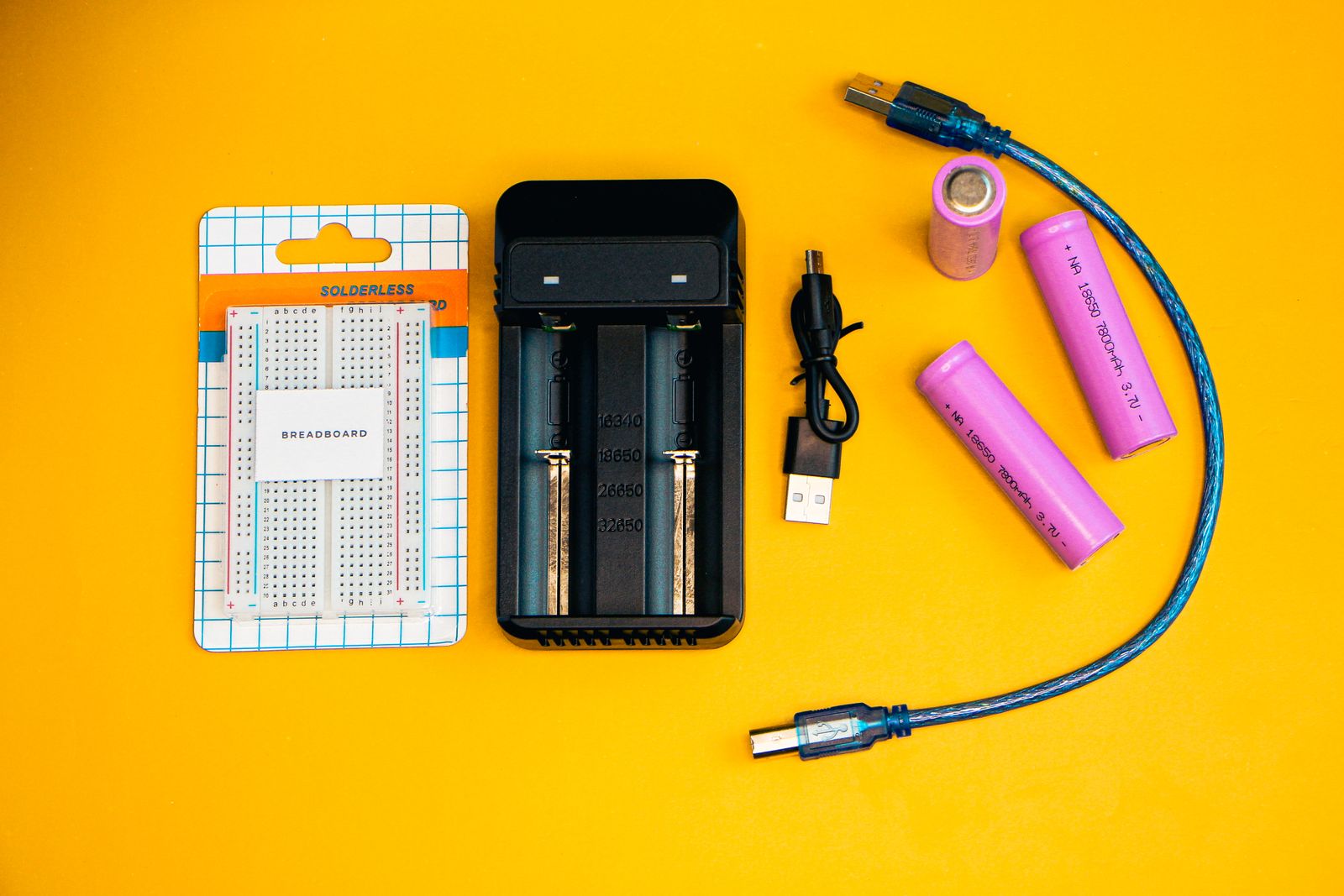 |
500Wh Power Station |
|
Check Price on Amazon |
 |
Inline Power Meter |
|
Check Price on Amazon |
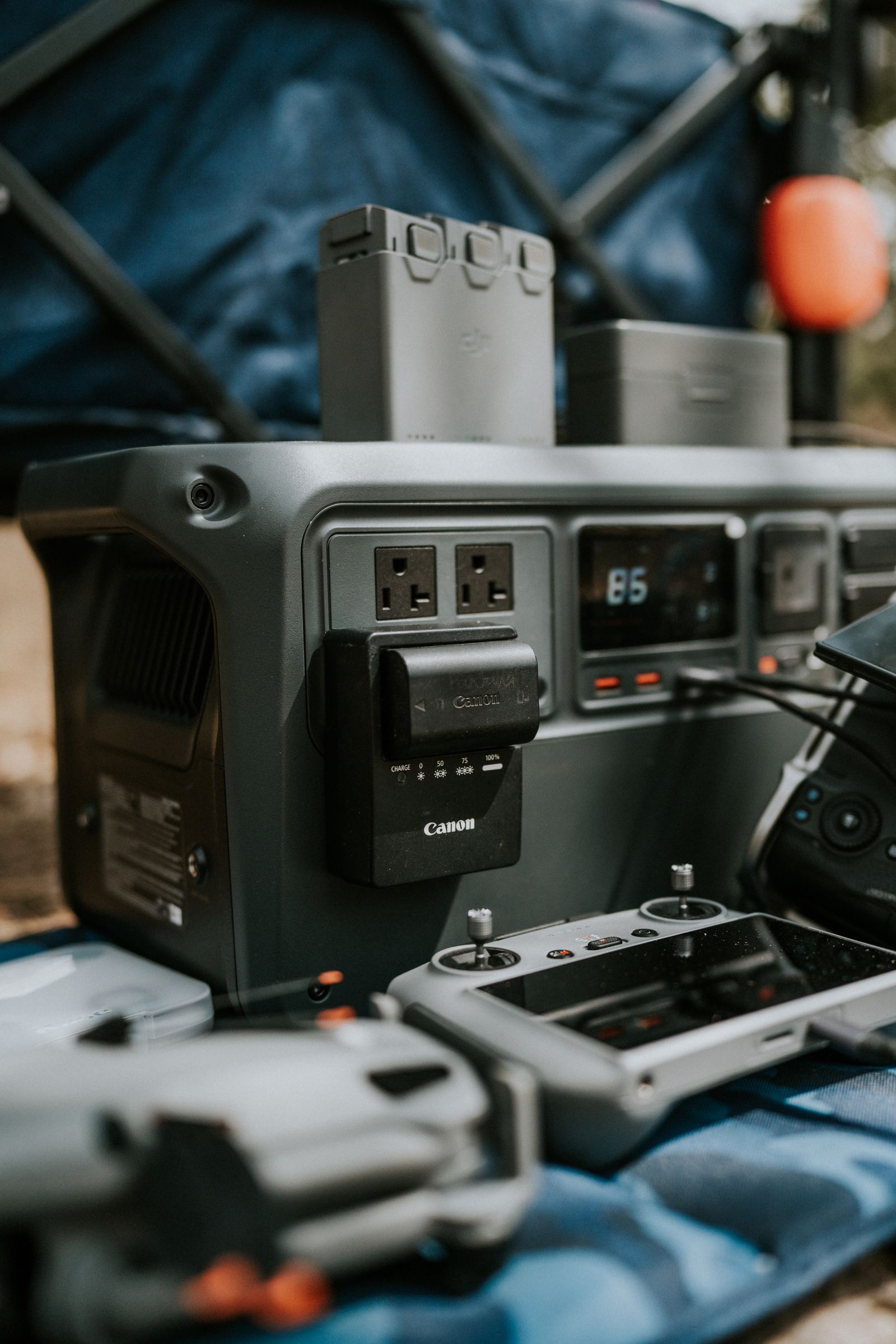 |
USB-C PD Charger 100W |
|
Check Price on Amazon |
 |
Solar Panel 100W |
|
Check Price on Amazon |
 |
Battery Insulation Wrap |
|
Check Price on Amazon |
1. 500Wh Power Station
The pack itself is the least interesting part of this decision and the one people spend the most time on. Capacity is capacity. What separates a good 500Wh station from a frustrating one is whether it has a regulated DC output, whether the DC port can actually deliver the current the dish wants without sagging, and whether the app tells you the truth about what is left.
LiFePO4 is the chemistry to look for now. It holds voltage better under load than the older cells, it tolerates being stored at partial charge, and it does not object to being cycled hard every weekend. The trade is weight per watt hour, which matters if you are carrying it onto a boat.
Check the DC output before you buy, not the AC outlet. A station with a strong AC side and a weak 12V cigarette port will force you into the inverter, and the inverter is where your runtime goes to die.
See 500Wh portable power stations on Amazon →
2. Inline Power Meter
Every claim in this article is something you can check yourself in an afternoon, and the tool costs less than a tank of fuel. Put a meter between the battery and the dish, run your normal day, and read the watt hours at the end of it. That number beats any table.
What you want is watt hours, not instantaneous watts. Instantaneous watts tell you what is happening right now, which is useful for spotting a snow melt cycle but useless for planning. Watt hours accumulate and give you a real consumption figure you can divide into your usable capacity.
Run it for a full twenty-four hours at least once, including the overnight. The overnight is where the surprise lives: people budget for the hours they are awake and forget the dish stays connected while they sleep.
See inline power meters on Amazon →
3. USB-C PD Charger 100W
Recharging is half of runtime, and this is the piece that makes the pack useful in a vehicle or a motel room. A 100W USB-C supply will refill a 500Wh station in a few hours, which is the difference between a two-day loop and a permanent limit.
Buy one that negotiates properly and holds its rate. Cheap supplies hit their peak for ten minutes and then fold back to half when they get warm, and you only find out when you check the pack four hours later and it is still at sixty percent. The foldable-pin models travel better; the ones with a cord survive being kicked.
Keep a car adapter as a backup. Vehicle 12V sockets are limited to something in the ballpark of ten amps, so the charge is slow, but slow beats stranded when the wall supply dies.
See 100W USB-C PD chargers on Amazon →
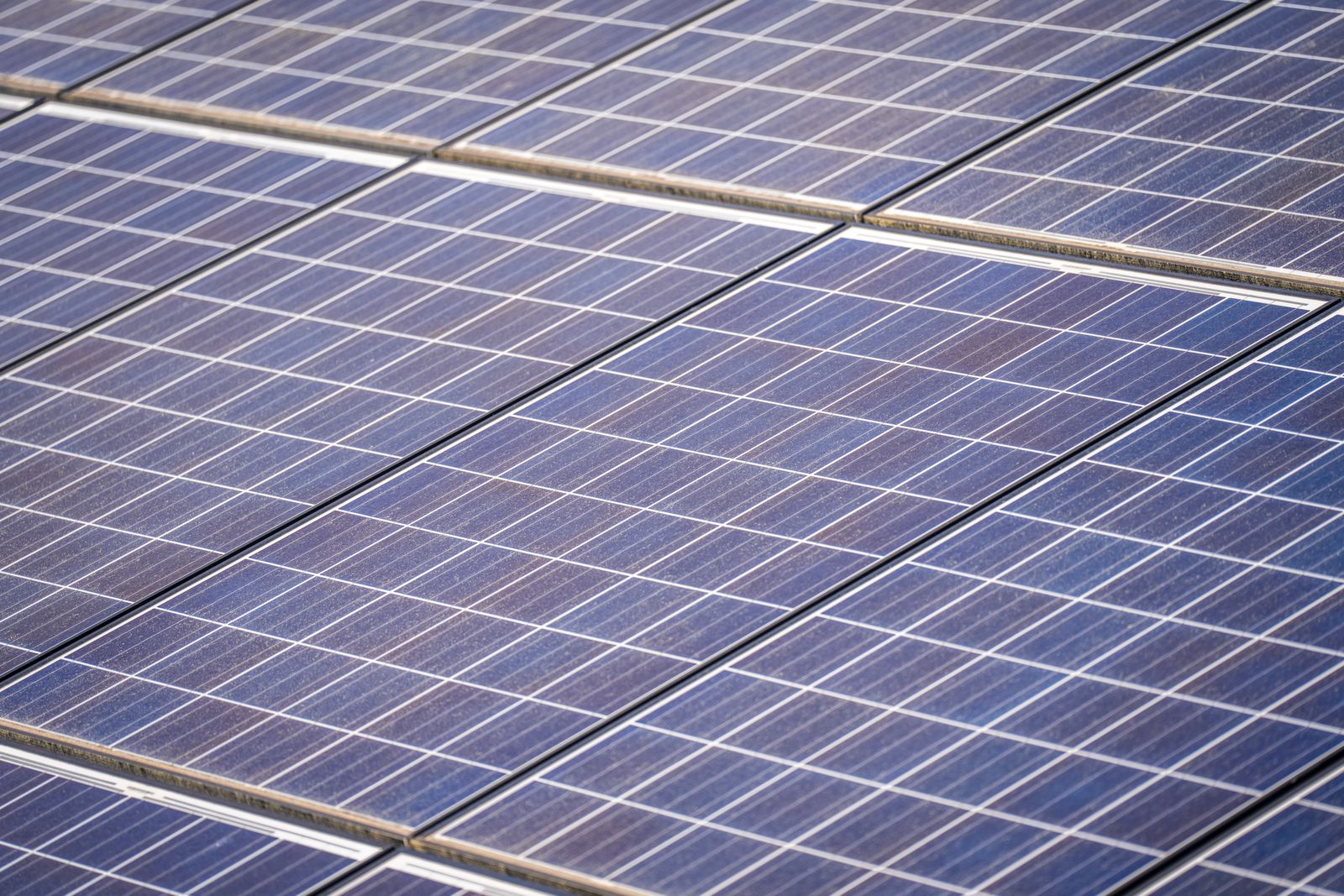
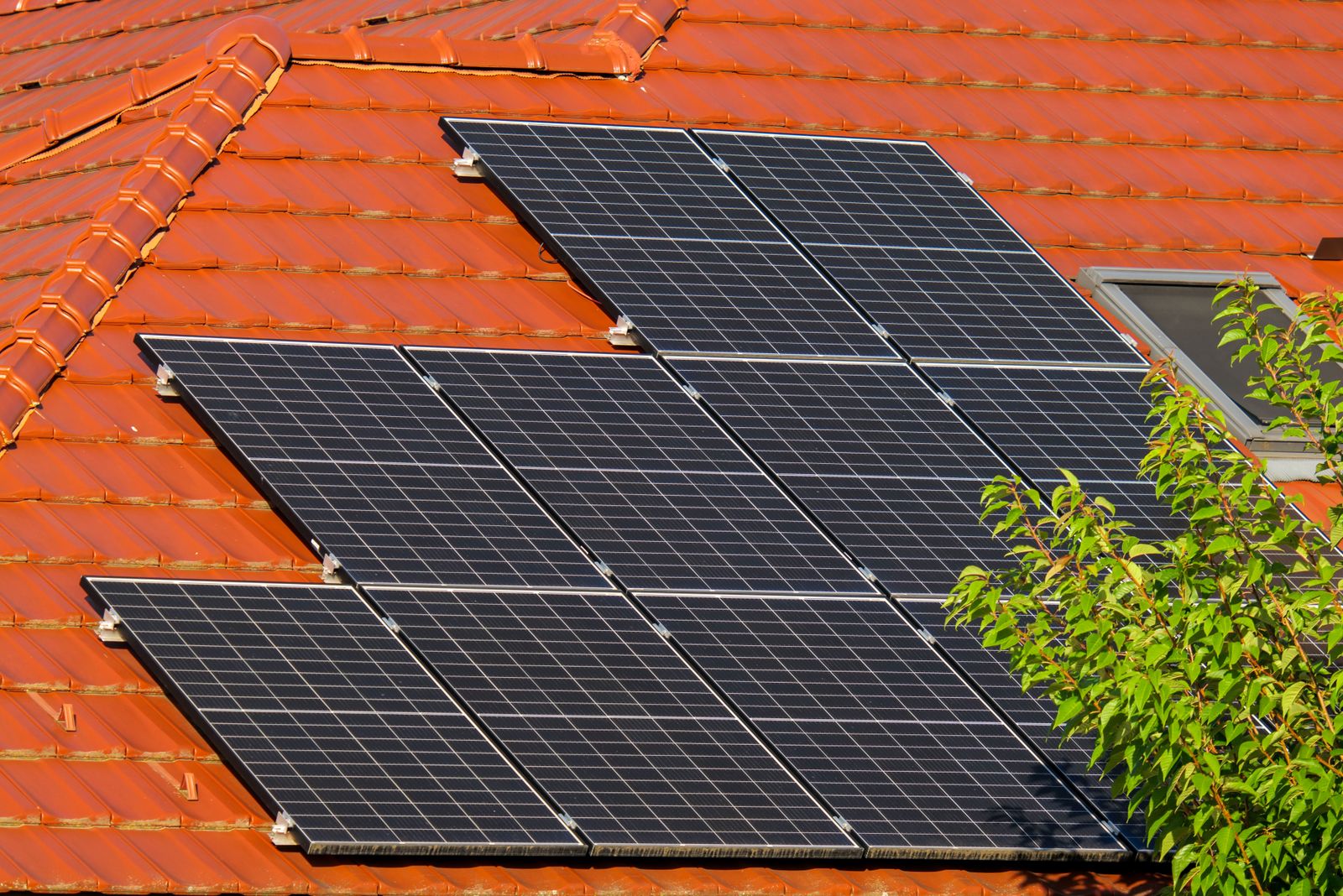
4. Solar Panel 100W
A hundred watts of panel is roughly a third of what a full day of good sun will put back into a 500Wh pack, once you account for the fact that panels almost never make their rating for more than a couple of hours. It is a top-up, not a solution, and knowing that saves disappointment.
Partial shade is the thing to watch. A shadow across one cell string can cut output far more than the shadow’s area suggests. Portable panels with bypass diodes handle it better than the cheapest rigid ones, and panels you can reposition every two hours beat panels bolted flat to a roof.
Keep the cable run short and the connectors clean. MC4 joints that live outdoors collect grit, and a dirty joint is a resistive joint, which is heat where you do not want it.
See 100W portable solar panels on Amazon →
5. Battery Insulation Wrap
This is the cheapest way to recover the runtime you lose to cold, and almost nobody buys one until after a bad night. A wrap with a reflective liner keeps the pack closer to its happy temperature range, which means the same charge delivers more of what the label promised.
It only helps if the battery is making its own heat, which it does while discharging. A wrap on a pack that is sitting idle in a cold vehicle does very little. Put it on before the sun goes down, not at two in the morning when the voltage has already sagged.
Velcro closures are the right design because you will take it off to charge in the sun. Make sure the wrap does not cover the vents or the display, and check the charge port is still reachable with gloves on.
See battery insulation wraps on Amazon →
Where the arithmetic goes wrong
The first mistake is planning on nameplate capacity. A 500Wh pack is a 440Wh pack in practice, and a 440Wh pack in July is a 380Wh pack in January. Build the trip on the smallest number and you will never be the person asking to borrow a charger.
The second is running the dish through the inverter because it was easier than finding the right cable. Every hour on the AC side costs you ten to fifteen percent plus the inverter’s idle draw, and that is before the dish’s own brick gets warm. If the dish can take DC, feed it DC.
The third is charging and discharging at the same time and calling it a plan. Pass-through works, but the charge rate and the load rate are not independent, and a pack that is being drained faster than it fills will still hit zero — just later and more confusingly. Do the math on the net, not the gross.
FAQ
Can I run a Starlink Mini straight from USB-C PD? People do, and it works while the supply can keep up. The catch is that the dish’s demand moves, and a supply that is right at its limit will brown out when the load rises. If you go this route, use a supply with headroom and watch the voltage, not just the wattage.
Does snow melt really change the answer that much? Yes. Melt can multiply the draw several times over while it is active, and it activates when conditions are worst for your battery. On a fixed energy budget, melt is the difference between a comfortable night and a dead pack by midnight.
How long can I leave the dish powered on a 500Wh pack? If you mean truly idle with nothing connected, most packs will carry it for a couple of days, because idle draw is small. If you mean connected and passing traffic overnight, plan on twelve hours and treat anything more as margin.
Bottom line
A 500Wh pack gives you roughly twelve to fourteen hours of real Starlink Mini use through a DC path, ten to eleven through an inverter, and eighteen or more if you are disciplined about idle time and keep the heater off. That is the whole answer, and the spread is the point.
Buy the pack for its DC output, buy a meter so you stop guessing, and keep the battery warm. The hardware rarely fails on these trips. The arithmetic does, and arithmetic is cheaper to fix.