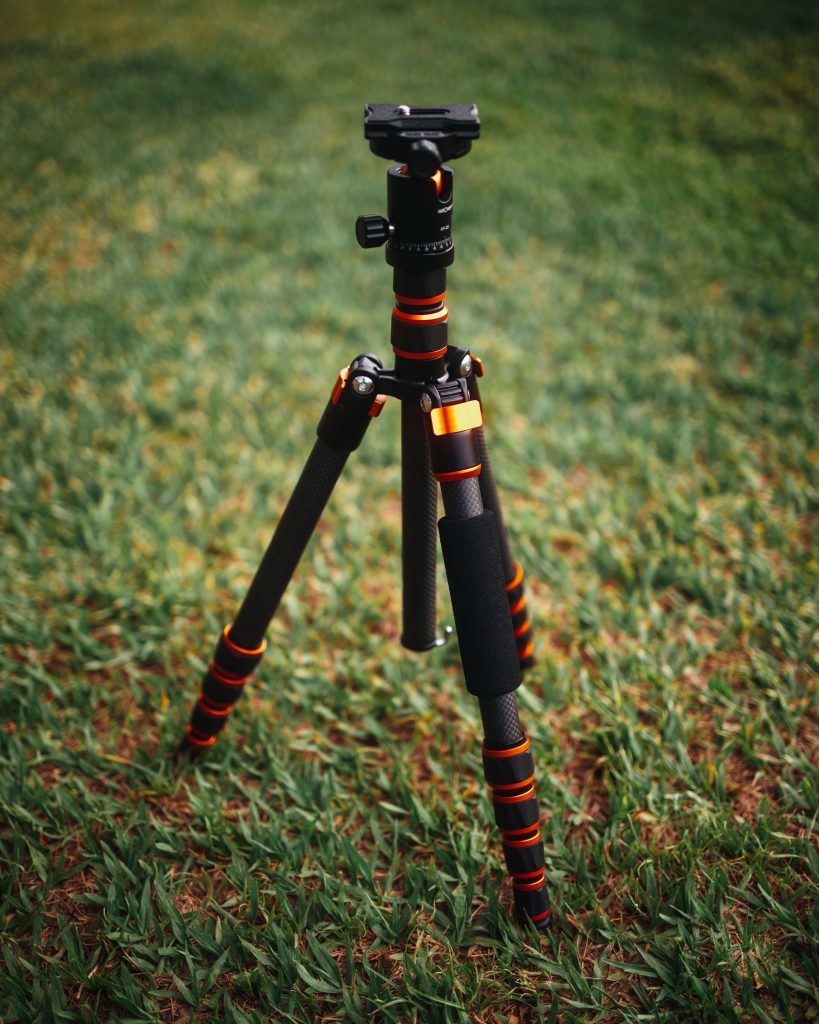
The official Starlink tripod is fine until the first real gust finds it. Ours folded on a windy overlook in Colorado — the thin legs splayed just enough to tip the dish and drop a video call mid-sentence. If you set Starlink up anywhere the wind actually blows (coastlines, plains, mountain passes, an open campsite with nothing to block it), the tripod is the first thing worth upgrading. Below are the alternatives we’ve stood up in 30+ mph and kept online through.
This isn’t a “buy the priciest” list. It’s what stayed put when the weather didn’t care, ranked by how little we thought about it afterward.
How we tested (and why it matters)
We didn’t rate these on a calm patio. Every option below spent at least a night on exposed ground — a graded pad in New Mexico, a rocky pull-off in Utah, a lakeside site in Texas with a steady 25 mph breeze. The metric was simple: did the dish stay pointed at the sky without us checking it every hour? Tripods that needed babysitting lost.
Why the stock tripod gives up
Three thin legs, a tiny footprint, and a dish that catches wind like a sail. The stock tripod is light by design (easy to carry in the box), and that lightness is exactly why it walks in a breeze. On anything but dead-calm ground you’re either stacking rocks on the feet or watching it lean. Neither is a plan you can trust at 2 a.m.
The fixes below either widen the base, add mass low down, or move the dish onto something that isn’t a tripod at all.
| Product | Best For | Key Features | Price |
|---|---|---|---|
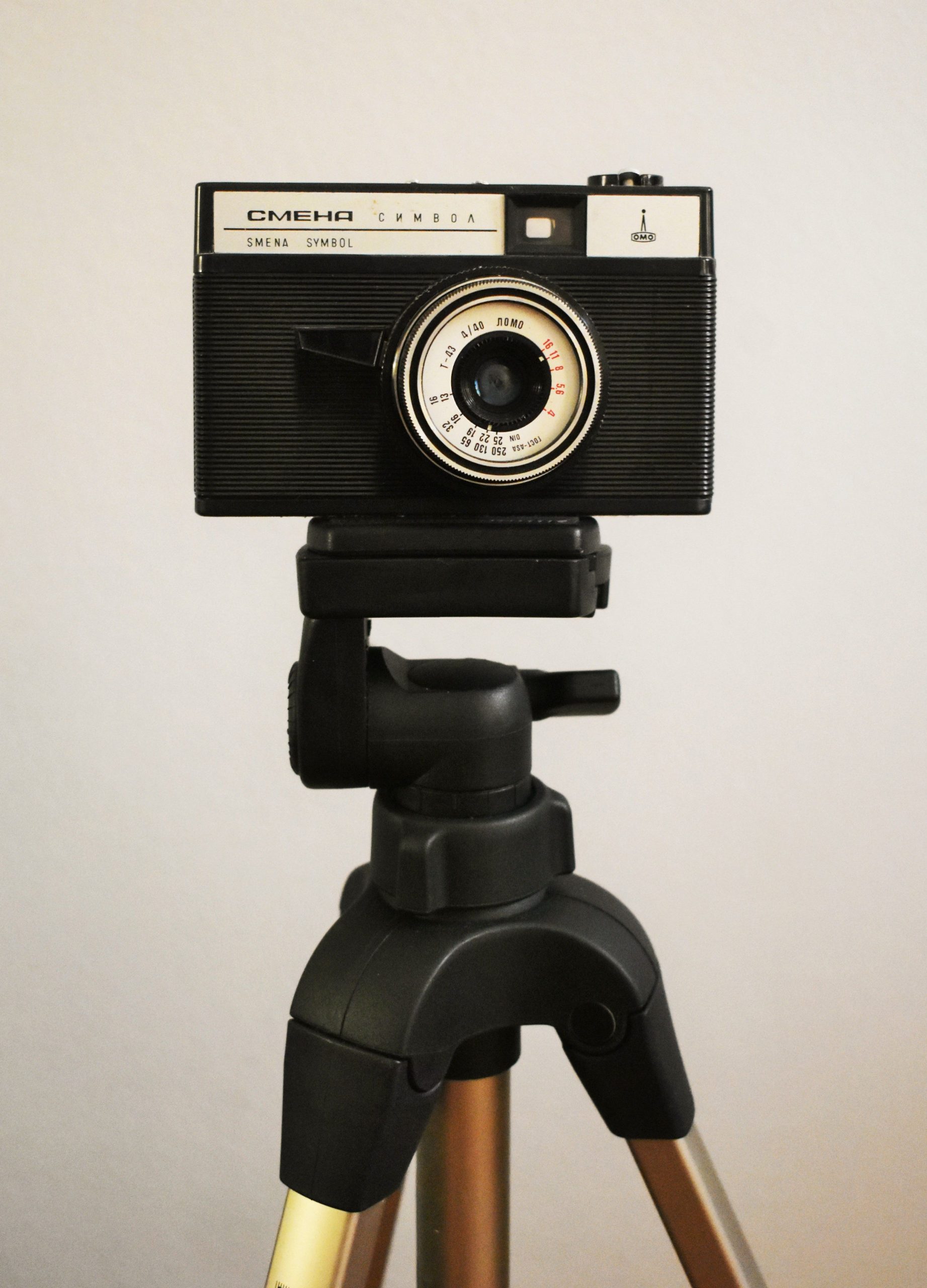 |
Surveyor’s Tripod + Pipe Adapter |
|
Check Price on Amazon |
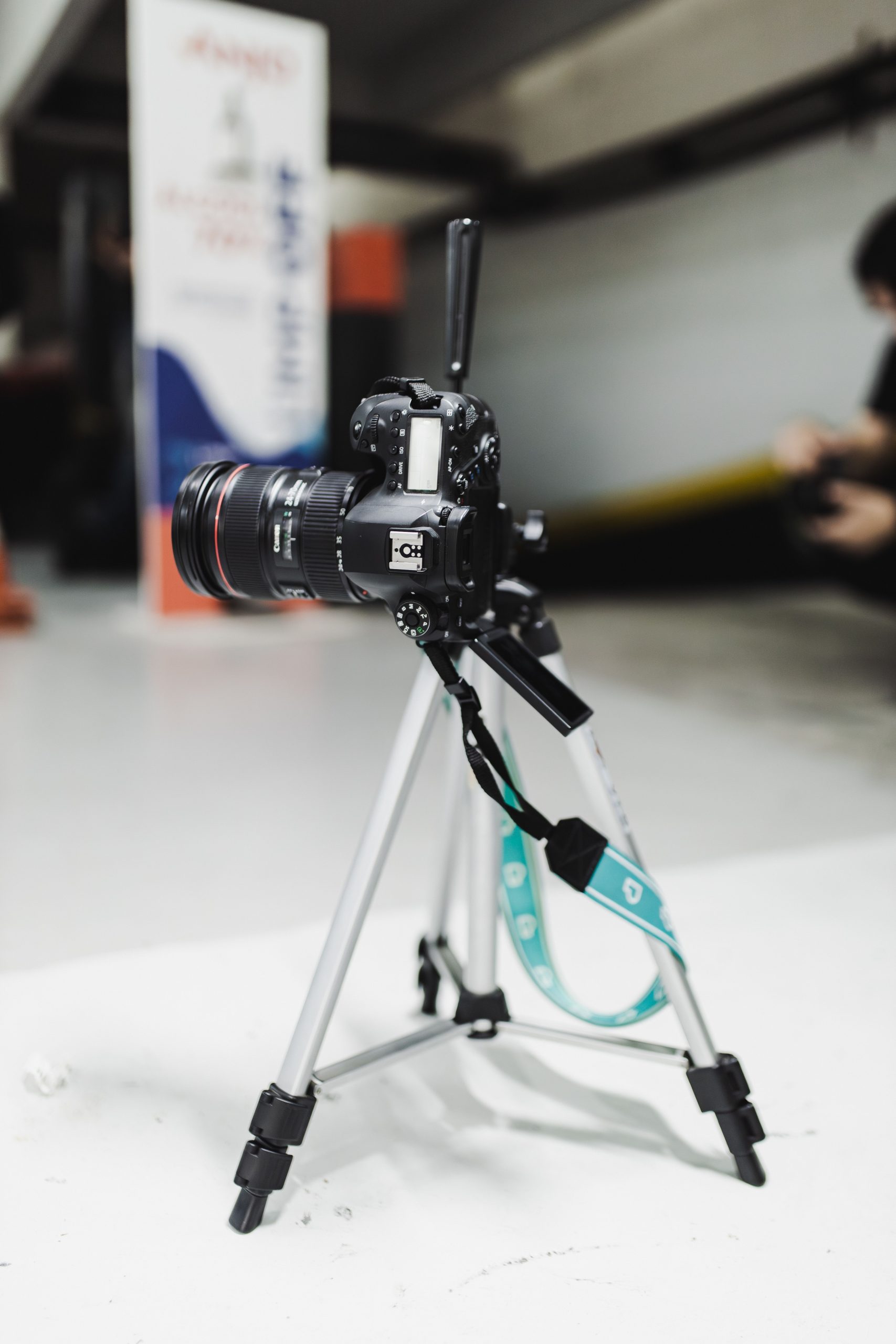 |
StarMounts Heavy Tripod Base |
|
Check Price on Amazon |
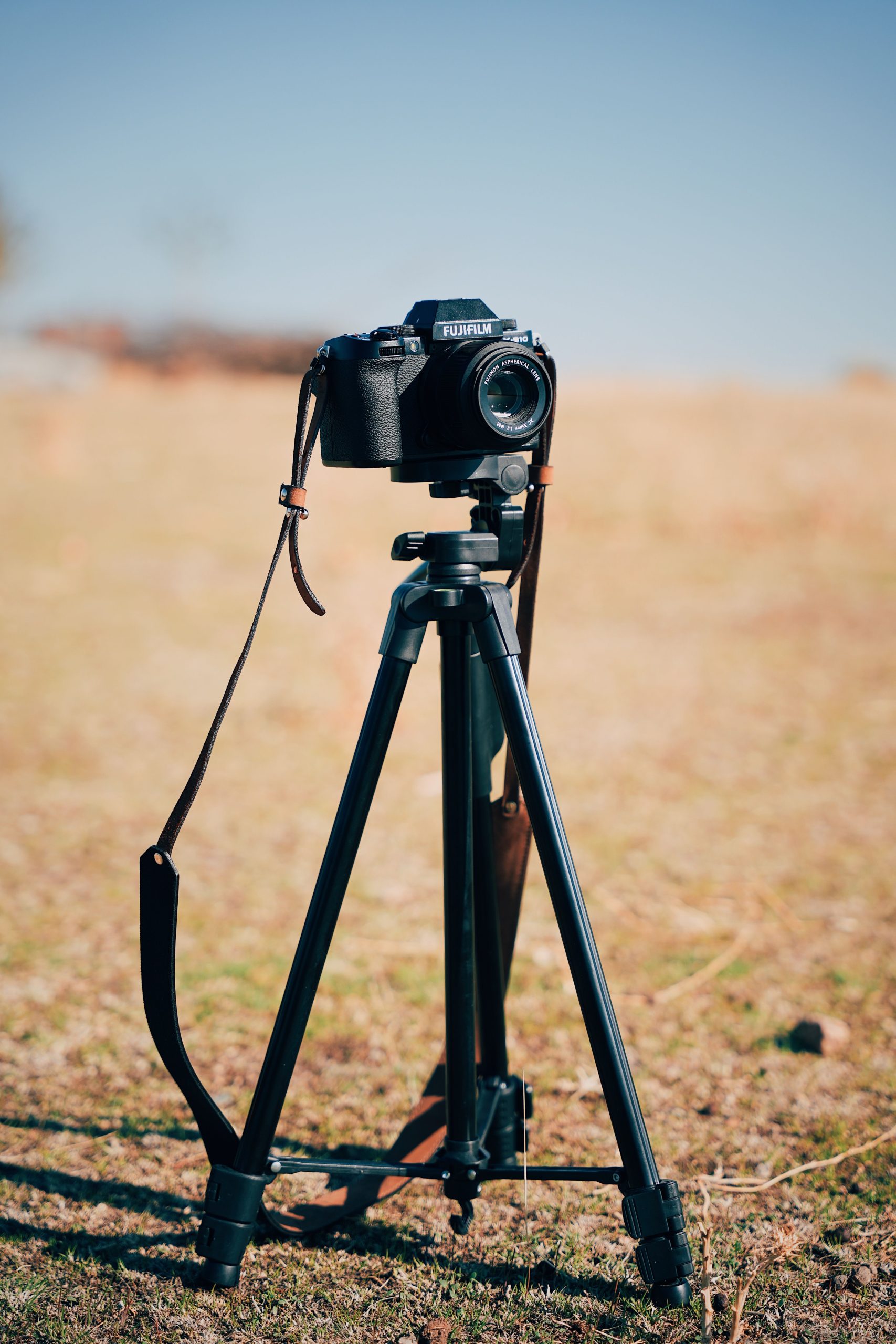 |
UBetteMount Tripod-to-Mast Head |
|
Check Price on Amazon |
 |
Weighted Base (Cinder Block + Sandbags) |
|
Check Price on Amazon |
 |
FlagPole Buddy as Tripod Replacement |
|
Check Price on Amazon |
Ground surface changes everything
A tripod that’s perfect on pavement is hopeless on gravel, and vice versa. Spiked feet need soft ground; rubber feet need hard. If you camp in varied spots, the surveyor tripod wins because you can swap feet. The stock tripod’s feet do neither well. Match the base to where you actually park, not to the photo on the listing.
Height vs wind: the tradeoff nobody mentions
Taller gets you above AC units and roofline obstructions (fewer dropouts), but it also gives the wind more lever. We found the sweet spot around 8–12 feet for most sites — above the junk, below the worst of it. Don’t crank a tripod to max height just because it extends; every extra foot is more sail for the same skinny legs.
FAQ
Do I need the official tripod at all? No. Any stable base that holds the mast works. The official one is just the easiest starting point, not a requirement.
What wind speed is “safe”? A good surveyor tripod held our dish past 35 mph. The stock one we’d pull at 20. Your mileage depends on surface, obstructions, and how tight you torqued things.
Can I leave it deployed overnight? If it’s weighted and the forecast is calm, sure. We stow if storms are coming — a $20 tripod isn’t worth a $600 dish, and a launched dish is a liability, not just a cost.
Which for a rented rig? The surveyor tripod + adapter travels best and leaves no mark. FlagPole Buddy is great if there’s a ladder to clamp.
Our pick
Skip the stock tripod past a backyard test. A surveyor tripod with a pipe adapter is the best bang for the buck and the most adaptable, and StarMounts is the purpose-built pick if you’d rather not mix parts. Either way, stop trusting three skinny legs in a 30 mph gust.