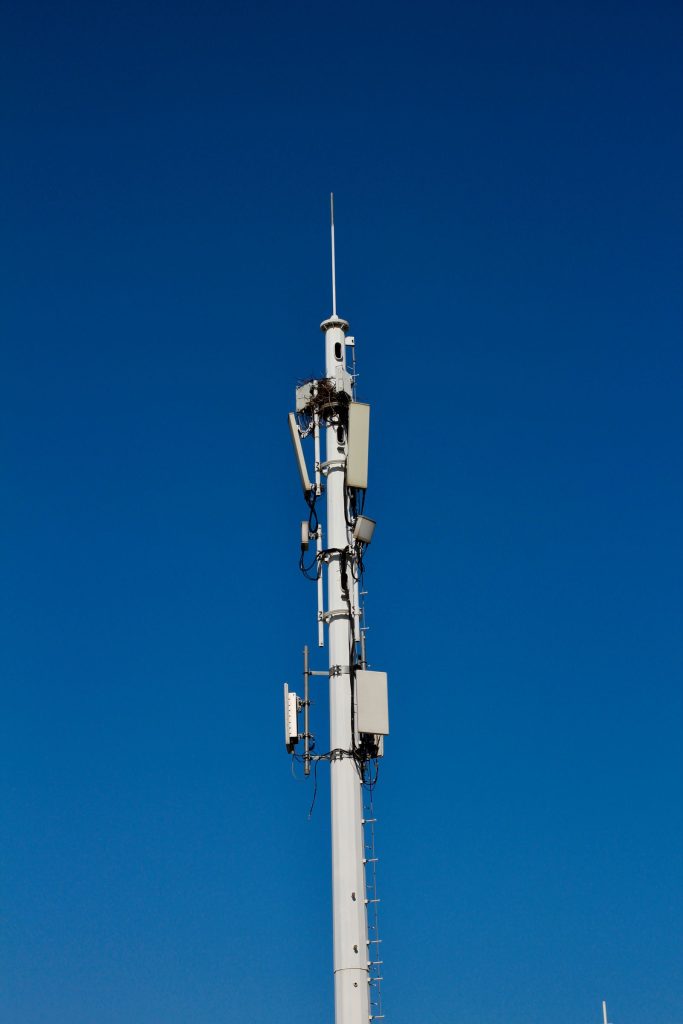
When “mount it on the wall” isn’t enough — you’re in a field, on a ridge, or putting the dish up where nothing blocks the southern sky — you need a pole or mast. The stock kit assumes a flat surface you can screw into; off-grid and permanent setups assume the opposite. We’ve stood Starlink on a 20′ mast at a cabin, a 6′ pole at a boondock site, and a flagpole at a base camp, and the lessons are the same every time: stiffness beats height, and grounding isn’t optional. Get those two right and the dish just works.
This isn’t about the tallest pole you can buy. It’s about the one that holds a $600 dish steady enough that the dish stops hunting the sky and actually locks on. A whippy mast costs you more signal than it gains you in height, and a mast that falls takes the dish with it. The goal is boring: rigid, vertical, and still there next spring.
What a good pole setup needs
Three things: a stiff mast (not a wobbly EMT conduit from the hardware store), a base that actually holds it vertical, and a cable path that doesn’t kink or fill with water. Most “my dish keeps dropping” calls we’ve helped with traced back to a mast that flexed in wind, not the dish itself. The dish is a sail — give it a mast that doesn’t move and the rest is easy. A fourth, quieter need is cable entry: however the cable gets from mast to building, it should drip-loop and stay dry.
| Product | Best For | Key Features | Price |
|---|---|---|---|
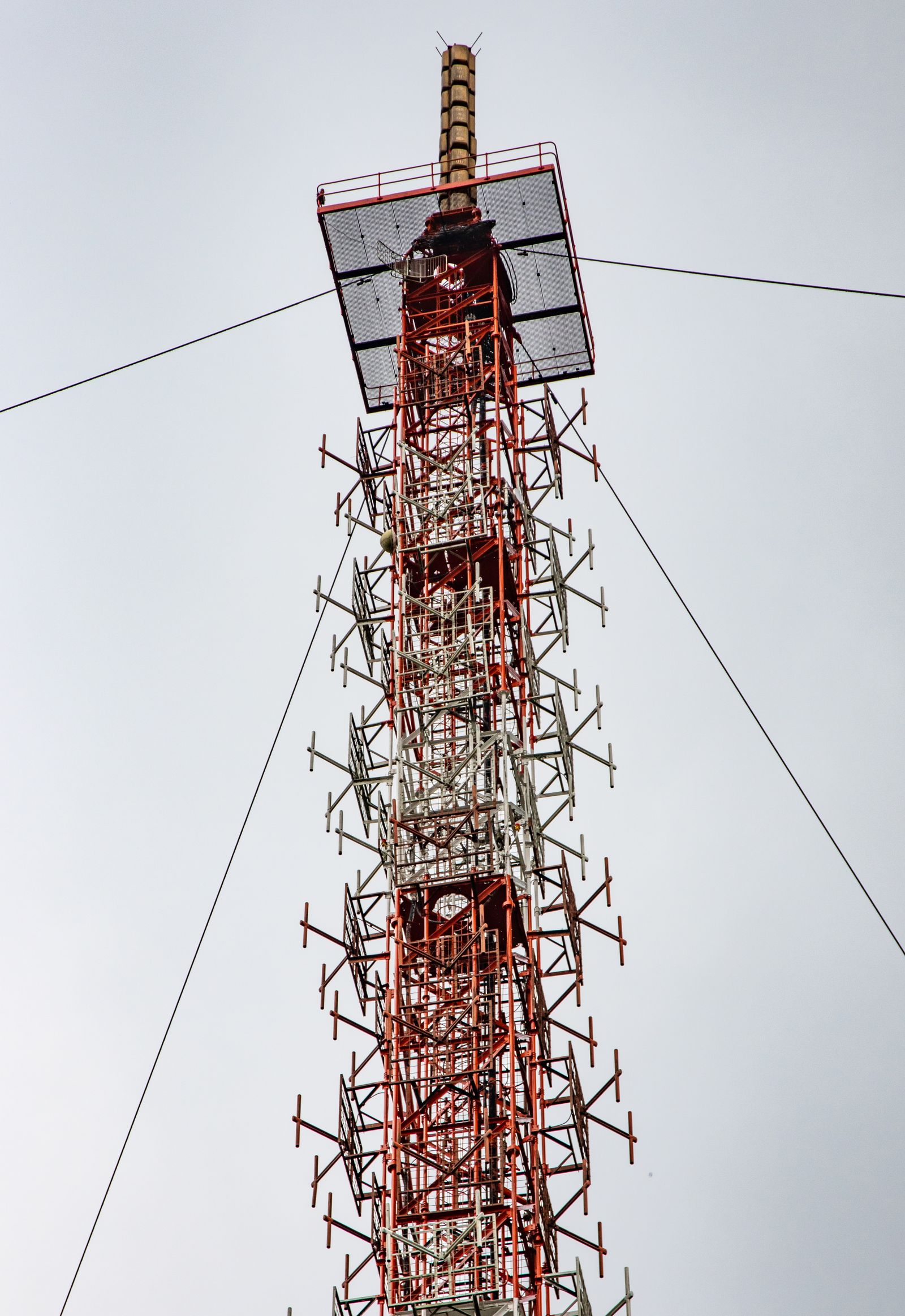 |
Push-Up TV Mast (Guyed) |
|
Check Price on Amazon |
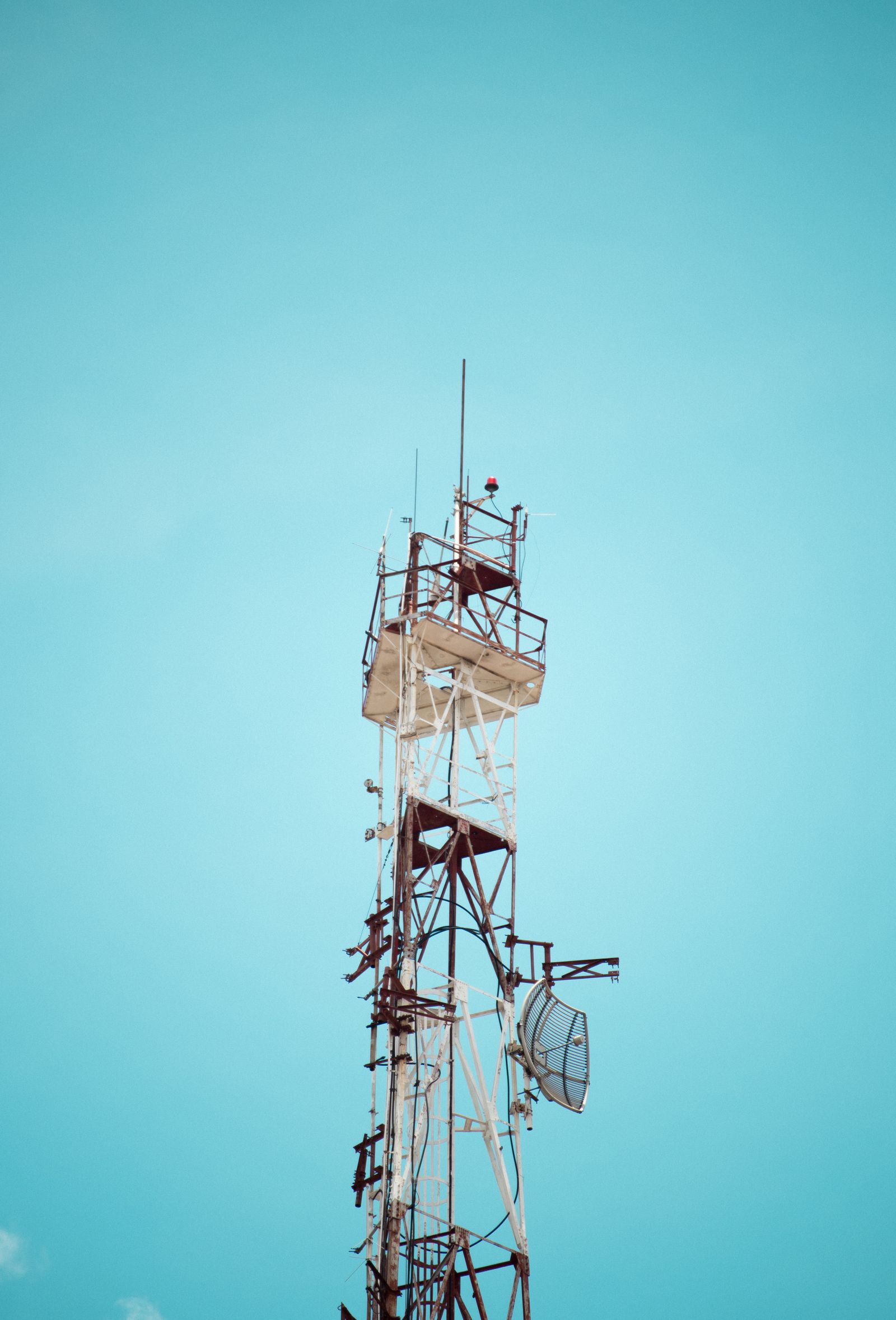 |
Steel Pole in Concrete |
|
Check Price on Amazon |
 |
Tripod Base for a Pole |
|
Check Price on Amazon |
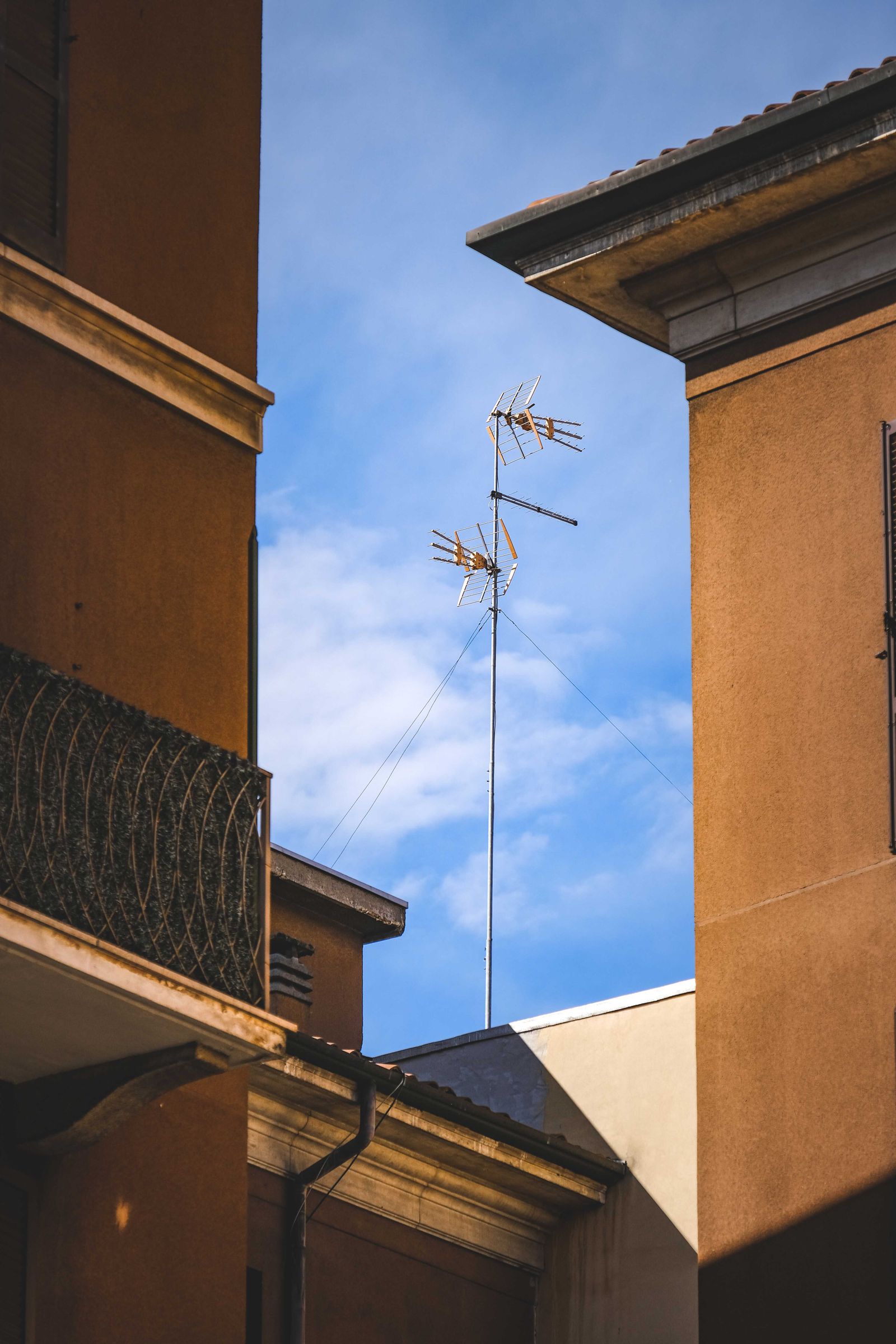 |
Chimney / Edge Strap Mount |
|
Check Price on Amazon |
 |
Flagpole-Style for the Mini |
|
Check Price on Amazon |
1. Push-up TV mast (the off-grid standard)
The sectional aluminum TV/mast poles — the ones ham-radio folks have used for decades — are the off-grid default for a reason: they telescope, they’re light, they’re rigid enough at height once guyed, and they’re cheap. We ran a 20′ version at a cabin, guyed with three lines, and it held through a rocky-mountain winter without a single drop. Setup takes longer than a wall mount, but you can put the dish exactly where the app says the sky is clear.
The trick is the guying. A free-standing 20′ mast is a sail that will fold in the first real gust; the same mast with three lines at a third and two-thirds height barely moves. We use paracord-rated guy line and a couple of tent stakes on grass, or screw-in anchors on hardpan. Take the time once and forget it.
Liked: tall, packs down, rigid when guyed. Catch: you must guy it, and lightning grounding becomes real at that height, so bond it to a rod. It’s also the most “visible” option — fine in a field, less fine in a front yard.
2. Fixed steel pole in concrete
For permanent installs, a 2″ steel pole set in a concrete footer is the “never think about it again” option. We did this at a shop and the dish hasn’t moved in two years, through wind, snow load, and a curious bear that bumped it and lost. The pole took the hit; the dish didn’t notice. The downside is it’s permanent — pick the spot like you mean it, because you’re not moving it without a jackhammer and a weekend.
Pour a footer at least 2′ deep (deeper where it freezes) and plumb the pole before the concrete sets. A bubble level taped to the pole saves you from a permanently leaning dish. Once it’s cured, the only maintenance is the ground bond and the occasional look to make sure nothing’s growing into the cable.
Liked: bombproof, zero maintenance. Catch: digging, concrete, and no take-backs. Also a lightning target, so bond it to a ground rod and call it insurance you’ll never regret buying.
3. Tripod base for a pole
A heavy camera or surveyor tripod with a pole adapter gives you height without concrete — great for semi-permanent sites you might move with the season. We used one at a seasonal spot and struck it in the fall, then reset it in the spring in ten minutes. It’s the most flexible option if you’re not sure where the dish will live, and it travels in a trunk.
The weak point is the feet. On grass, sandbag them; on a deck, strap them; on bare dirt, stake them. A bare tripod at 15′ is a sail that will travel across the yard. Weight or guy it and it’s solid; ignore that and you’ll be chasing it down the driveway.
Liked: movable, no digging, fast to set. Catch: needs weight or guying in wind. It’s also shorter than a push-up mast for the same footprint, so it trades max height for convenience.
Compare pole tripods on Amazon →
4. Chimney / edge strap mount
For cabins with a usable ridge, straps around a chimney or gable hold a short mast without penetrations. We’ve seen these work for years on metal roofs where drilling wasn’t welcome — just use non-marring straps and check the tension every spring. It keeps the dish proud of the roofline without a single hole, which matters when the roof is the only thing between you and a leak.
The discipline is in the strap. Cheap straps marked masonry; padded, wide straps spread the load and don’t bite. Don’t strap to a flimsy vent pipe or a chimney that gets hot — strap to structure, not to something that moves or cooks. A short mast here is plenty; you’re clearing the roofline, not topping a tower.
Liked: no holes, no leaks. Catch: only if you have the structure; straps need tensioning and can mark masonry if overtightened. Inspect annually, because weather loosens everything.
5. Flagpole-style for the Mini
The Mini is light enough to ride a residential flagpole with a side clamp. We ran a Mini on a 12′ flagpole at a base camp and got it above the tree line for the price of a flagpole — no mast engineering, no guying, just a clamp and a pole you already wanted anyway. For the Mini’s weight it’s honestly the laziest win on this list, and it looks intentional in a yard.
One caveat: a flagpole puts the dish at the mercy of the pole’s stiffness, and a thin residential pole will sway. Use a stiffer pole or a shorter mast section on top, and keep the clamp tight. The Mini is forgiving, but it’s not magic — give it a steady perch and it’ll hold.
See flagpole clamps on Amazon →
Cable entry at the base
However the cable leaves the mast, treat it like a water path. A drip loop below the entry point keeps rain from running down the cable into the building, and a weatherproof pass-through (or a short conduit stub) keeps the connector dry. We’ve seen more “intermittent disconnects” caused by a wet, kinked cable than by any mount. The mast is the headline; the cable is the footnote that bites.
Stiffness beats height
A 20′ flexy mast drops more signal than a 10′ rigid one, because the dish is always hunting and re-acquiring. Go thicker wall, guy it, and don’t chase max height. We’d take a stiff 12′ over a whippy 25′ every single time — the dish locks faster, stays locked through gusts, and you’re not on a ladder at the top of a swaying pole. Height only helps if the dish can use it.
Grounding (the part people skip)
Any mast above the roofline is a lightning attractor. Bond the mast to a ground rod and you’ve bought the cheap insurance. Skip it and a strike finds the path through your cable and gear — we’ve replaced more than one fried dishy that “didn’t need” a ground rod. Bond every permanent mast; it’s not optional, it’s the cost of going tall, and a $20 rod beats a $600 replacement.
Comparison
| Option | Height | Permanent? | Grounding need |
|---|---|---|---|
| Push-up mast | High | Semi | Yes (guy + rod) |
| Steel in concrete | Any | Yes | Yes (rod) |
| Pole tripod | Mid | No | Advised |
| Strap mount | Low | Semi | Check local |
| Flagpole Mini | Mid | Semi | Advised |
FAQ
How tall should I go? Just above local obstructions, no higher. Stiffness matters more than raw height, and a shorter rigid mast beats a taller whip that makes the dish hunt.
Do I really need to guy a push-up mast? Yes. Free-standing telescoping masts are sails. Three guy lines at 1/3 and 2/3 height, and it’ll laugh at wind that folds an unguyed one. Skip the guys and you’ll be resetting it after the first storm.
Can I use a cheap EMT conduit? For short, low installs yes. For anything tall it whips in wind and the dish hunts. Spend on a real mast — the dish earns it back in uptime, and you’re not up there fixing it in February.
What about the cable at the base? Drip loop and a dry pass-through. Most “random disconnects” we chased were a wet or kinked cable, not the mount. The mast is the headline; the cable is the footnote that bites.
Our pick
Off-grid and movable: a guyed push-up mast. Permanent home base: a steel pole in concrete with a ground rod. Both beat a whippy pole that makes the dish work overtime — and both keep you off the ladder later, which is the whole point of a permanent install.