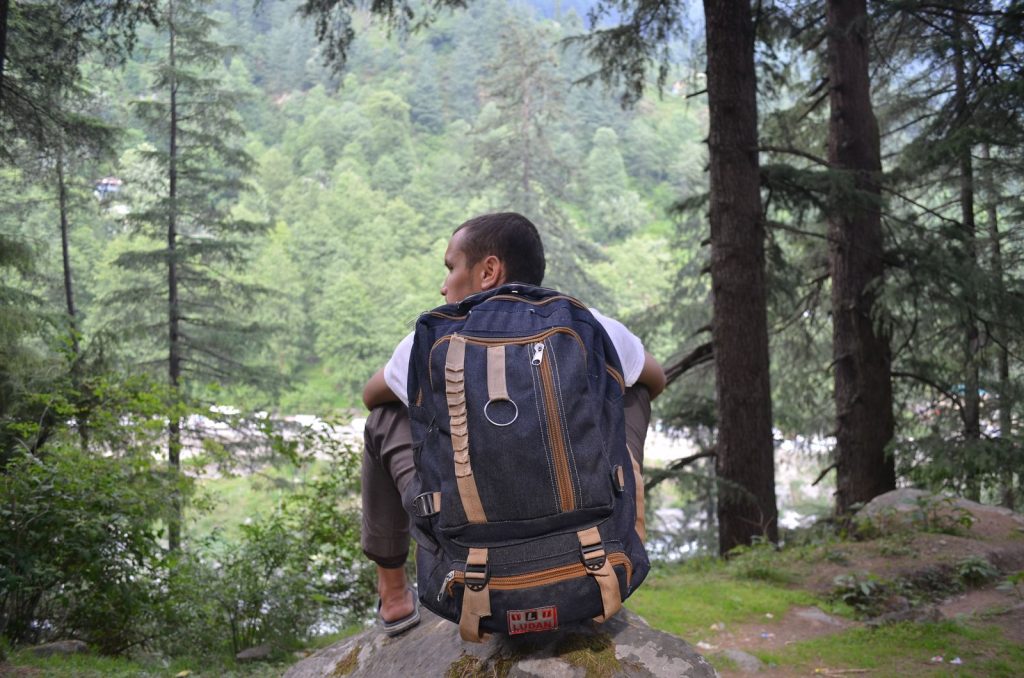
The Mini is the dish we actually throw in a bag. It’s small enough that you stop treating it like networking gear and start treating it like camping gear — which is the whole point, and also the trap. Because the Mini is light and packable, people take it places where the stock kit is a poor fit: a car with one 12V socket, a campsite with no outlet, a hotel balcony with nothing to clamp to. The dish is great; the accessories decide whether it’s a joy or a frustration.
We’ve run a Mini from a truck bed, a cabin porch, a rental apartment, and a tent site, and the kit that works is not the kit in the box. It’s a handful of small, specific pieces you buy once and keep together, so that setting up takes minutes instead of an argument with a power brick and a wobbly table. This is that kit, and the reasoning behind each piece.
What a travel Mini kit needs
Four things: a way to carry the dish without scratching it, a way to stand it up anywhere, a way to power it off DC rather than an AC brick, and a compact battery for when there’s no outlet at all. The Mini’s headline feature is that it runs on 12V and sips power, so a kit that leans into that — no inverter, no AC — is light and fast. The pieces that ignore it, like dragging the AC power supply on a backpacking trip, are the ones you leave at home after the first trip.
| Product | Best For | Key Features | Price |
|---|---|---|---|
 |
Mini Carry Case |
|
Check Price on Amazon |
 |
Mini Tripod Mount |
|
Check Price on Amazon |
 |
Mini DC Power Cable |
|
Check Price on Amazon |
 |
Compact Power Bank |
|
Check Price on Amazon |
 |
Mini Mount Adapter |
|
Check Price on Amazon |
1. Mini Carry Case
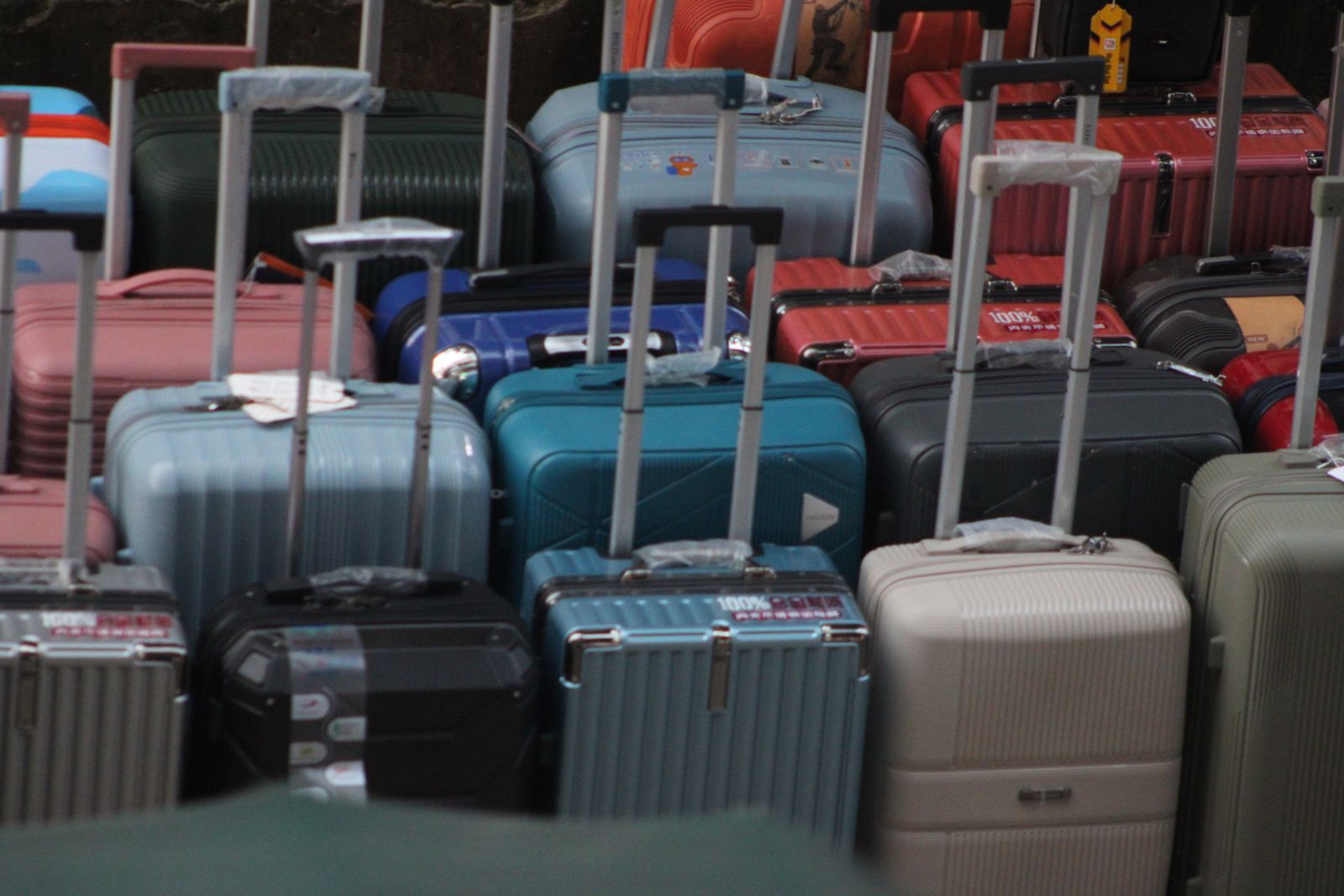
A case made for the Mini sits the dish snugly, keeps the antenna face from getting scuffed, and usually leaves a little room for a DC cable. That last bit matters more than it sounds: the cable is the part that tangles, kinks, and disappears into the bottom of a duffel, and having a dedicated pocket for it means you never arrive somewhere without the one cable the whole thing needs. We treat the case as the home base for the kit — everything else lives in or around it.
Look for padding and a backpack-friendly shape rather than a hard box that’s awkward to carry. The Mini is rugged enough to survive a trunk, but the connector and the cable aren’t, so the case is really protecting those. Ours has taken a few seasons of road trips and the dish face still looks new, which is the point — the case is cheaper than replacing a dish you scratched the face on a tailgate.
Liked: snug fit, padded, and it gives the cable a home. Catch: the tiny models don’t hold much beyond the dish and one cable, so don’t expect room for a whole battery setup inside.
See Mini carry cases on Amazon →
2. Mini Tripod Mount
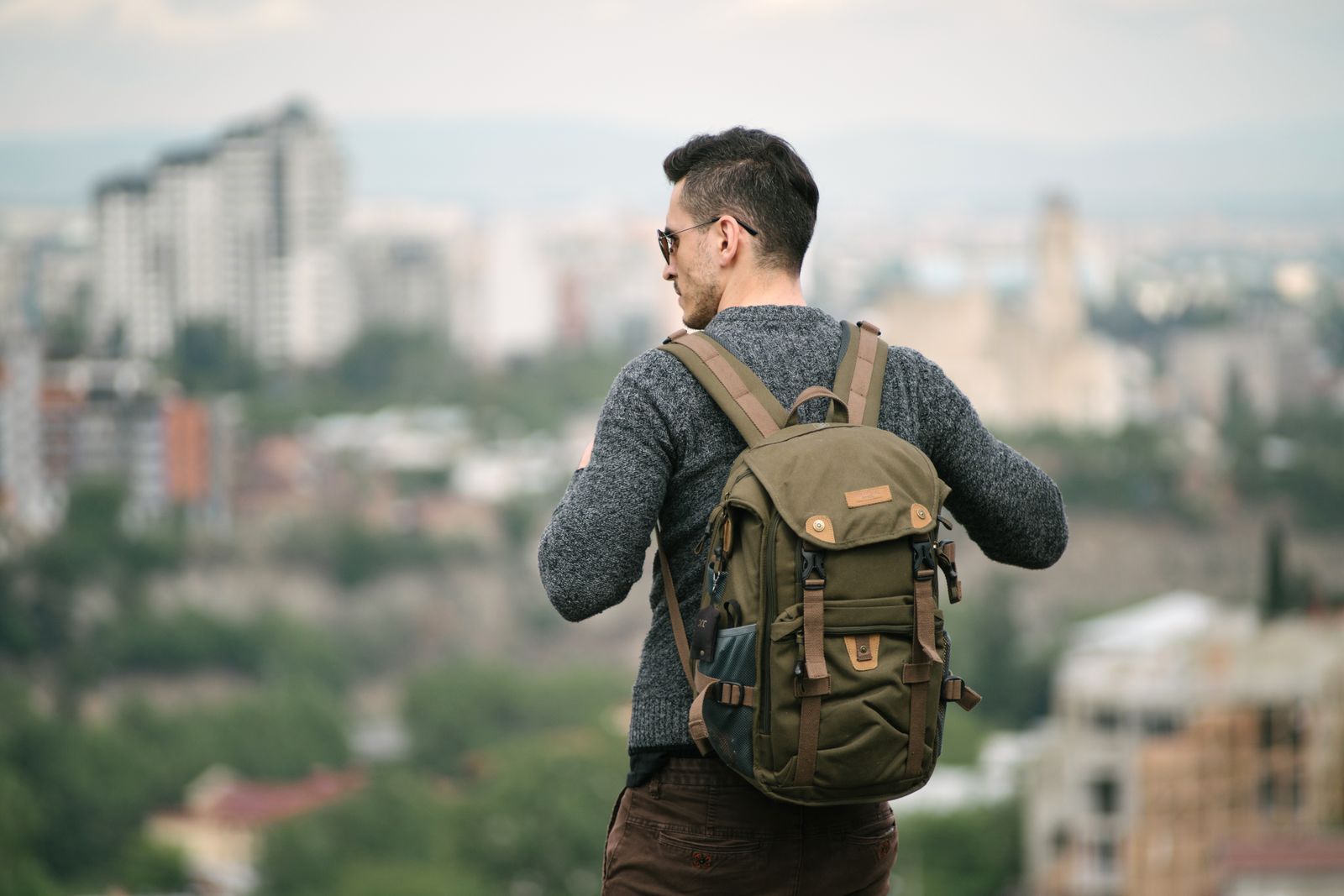
A tripod mount is the single most useful travel accessory, because it lets you stand the Mini up anywhere with a flat-ish surface and aim it at the sky. Setup is seconds: unfold, set the dish, point it north or south depending on your hemisphere, done. We’ve used one on a picnic table, a dock, a balcony railing, and the bed of a truck, and it beats hunting for something to clamp to every single time.
The catch is wind and weight. A tripod with a light dish on top is a sail, and a gust will take it across the campsite if you haven’t weighted the legs or tied it down. Sandbag the feet, hang a water bottle from the center hook, or stake it on soft ground. Do that and it’s rock steady; skip it and you’ll be chasing your internet connection across a parking lot, which is exactly as undignified as it sounds.
Liked: fast, portable, no mounting surface required. Catch: it will tip in wind unless you weight or guy it — the tripod is only as stable as the effort you put into anchoring it.
Compare Mini tripod mounts on Amazon →
3. Mini DC Power Cable
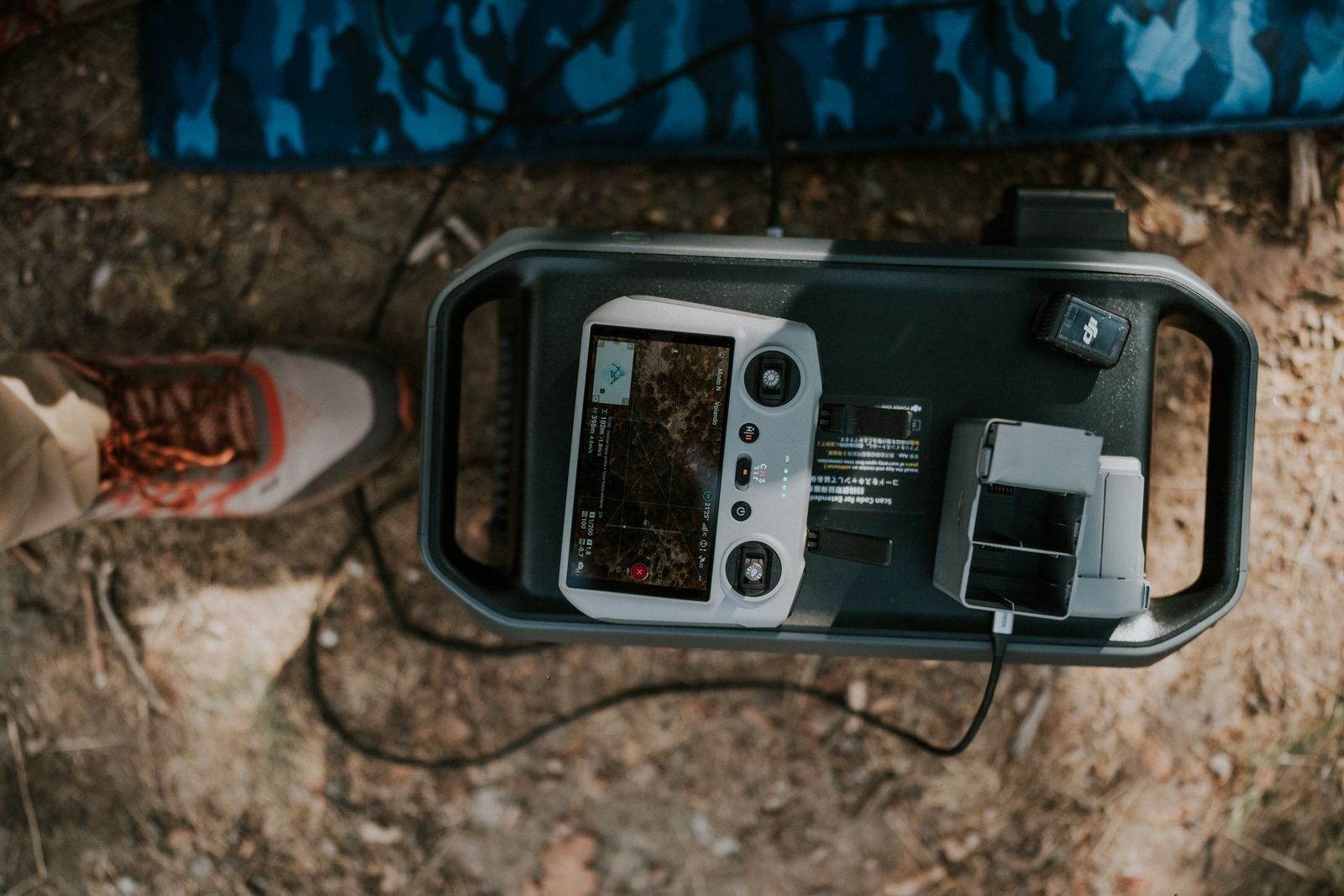
The Mini’s best trick is running off 12V directly, and the DC cable is how you do it. No inverter means no conversion losses and no bulky brick — you plug into a car socket or a battery and the dish runs. We’ve powered a Mini off a cigarette-lighter socket for a whole road trip, and the difference in weight and fuss compared to dragging an AC supply is night and day.
Two disciplines. First, fuse it at the source, because a dead short on an unfused 12V line is a fire waiting to happen and a fuse is a dollar. Second, get the length right for a car — long enough to reach from the socket to the dashboard or roof, short enough that the extra doesn’t tangle into a knot. Waterproof joins if any of it lives outside, and a drip loop if it does. The Mini pulls a handful of amps, so check your socket and wiring can carry it before you commit.
Liked: light, efficient, and it enables true off-grid use. Catch: you have to fuse it yourself and mind the run length — a cable that’s too short leaves the dish dangling by its connector.
See Mini DC power cables on Amazon →
4. Compact Power Bank
For the trips where there’s no outlet and no car socket, a compact power bank is what keeps the Mini alive. Check the watt-hours against the dish’s draw and you’ll get a realistic runtime — a big bank runs it for hours, a small one for a film. We pair ours with a folding solar panel for multi-day trips, so the bank refills during the day while the Mini runs in the evening.
Two things trip people up. First, the bank has to output enough current at 12V; a phone bank that only does USB-C won’t feed the dish, no matter how many watt-hours it claims. Second, watching the watt-hours matters more than the marketing. Do the math on the dish’s draw and your bank’s usable capacity, subtract some for conversion losses, and you’ll know before you leave whether you’ve got an evening or a weekend.
Liked: silence, no exhaust, and it works where nothing else does. Catch: you must match the output voltage and current, and the runtime is only as good as your watt-hour math.
Compare portable power banks on Amazon →
5. Mini Mount Adapter
A mount adapter is the small, cheap piece that expands where the Mini can go by letting it attach to poles, clamps, and other common hardware. It’s the kind of thing you keep in the bag because you don’t know you need it until you’re standing somewhere with no surface and a perfectly good pole. Ours has turned a rental balcony rail and a tent pole into a mounting point, more than once.
Keep one in the kit and you stop improvising with tape and hope. It’s tiny, it costs little, and it quietly removes the “there’s nowhere to put it” problem that can otherwise sink a setup at a bad moment. Pair it with the tripod and you’ve covered flat surfaces and vertical ones, which between them is almost every place you’ll end up.
Liked: cheap, small, and it widens your options. Catch: it’s an adapter, so it only fits the hardware it’s rated for — check before you rely on it.
See Mini mount adapters on Amazon →
Powering the Mini on the road
The Mini’s low draw is the reason a travel kit works at all, but you still have to plan the power. A car socket is the easiest source and the one most people use; a power bank is the flexible one; a folding panel is the one that makes multi-day trips possible. The mistake we see most is running the dish off an inverter, which wastes energy and adds weight for no benefit. Skip the inverter — go DC the whole way.
Add up the draw honestly before a trip. A Mini that pulls a handful of amps will drain a small bank faster than people expect, and a cold morning makes it draw more. Bring extra capacity rather than betting on a bank that “should” be enough. And always fuse the DC side; it’s the one habit that separates a clean install from a melted connector.
Picking a spot for the Mini
The Mini needs a clear view of the sky, which on the road usually means getting it above the vehicle, the tent, or the tree line. The tripod handles open ground; the adapter handles poles and rails; a roof rack or a window ledge can work in a pinch. Aiming is forgiving on the Mini, so don’t overthink orientation beyond the obvious — point it toward the equator-ish sky and let it work.
Wind is the recurring problem, so weight the tripod, tie off anything tall, and keep the dish below the point where it becomes a sail. We’ve watched a Mini take a tumble off a picnic table on a breezy afternoon and, luckily, survive. A little anchoring turns that near-miss into a non-event. Set it up like you expect a gust, because you’ll probably get one.
What to leave at home
The biggest favor you can do your travel kit is leaving the wrong gear behind. The AC power brick, the heavy wall mounts, the spare cables you’ll never use — all of it adds weight and none of it helps in the field. The Mini’s appeal is that it’s light; a bag full of “just in case” gear undoes that. Carry the case, the tripod, the DC cable, the bank, and the adapter, and you’ve got a kit that covers almost every situation without turning into a moving van.
If you’re deciding between two similar pieces, pick the lighter one unless the heavier one solves a specific problem you know you’ll hit. Add gear only after a trip teaches you it’s missing. The best travel kit is the one you still feel like carrying on day three, and that’s a discipline as much as a shopping list.
Comparison
| Piece | What it solves | Weight | Watch out for |
|---|---|---|---|
| Mini carry case | Protects dish and cable | Light | Small models hold little |
| Mini tripod mount | Sets up on any surface | Light | Needs weighting in wind |
| Mini DC power cable | Runs off 12V, no brick | Very light | Fuse it, right length |
| Compact power bank | Power with no outlet | Medium | Match volts and current |
| Mini mount adapter | Poles, rails, clamps | Tiny | Fits rated hardware only |
FAQ
Can I really run the Mini all day off a power bank? Depends on the bank’s watt-hours and the dish’s draw. Do the math, subtract for conversion losses, and expect the dish to drink more on a cold morning. A large bank runs it for hours; a small one buys you an evening. Match capacity to the trip, not to the marketing number.
Do I need the AC power supply at all when traveling? Usually not, if you have a car socket or a battery. Going DC avoids inverter losses and saves weight, which is the whole reason the Mini travels well. Keep the AC brick for plug-in sites, but it’s the first thing to leave out of a lightweight kit.
How do I stop the tripod tipping over? Weight it. Hang a water bottle or a sandbag from the center, or stake the feet on soft ground, and tie off anything tall. A light dish on a light tripod is a sail, and a gust will move it. Thirty seconds of anchoring saves a chase across the campsite.
Is the Mini hard to aim while traveling? No — it’s more forgiving than the bigger dishes, so getting it roughly toward the sky and letting it work is usually enough. The bigger issue is a clear view, so get it above the vehicle or tent if you can. Aim is rarely the problem; obstructions are.
Our pick
If you’re building a travel kit, start with the Mini tripod mount — it changes where you can set up more than any other piece — and add a Mini DC power cable so you can run off 12V instead of hauling a brick. Those two cover the two most common travel frustrations.
Then wrap it all in a Mini carry case so the dish and its cable stay together and protected. Add a power bank for outlet-free trips and an adapter for poles and rails, and you’ve got a kit that’s genuinely light enough to take anywhere.