The Mini is small enough to carry in one hand and cheap enough to run from a car socket, which makes it feel like the install problem is finally over. It is not over. It has moved from the roof to the wire, where it is harder to see and much easier to ignore.
We have powered Minis from USB-C power banks, from the cigarette socket of a 2011 pickup, from a fused bus bar in a van build, and from a lead acid bank that spent a winter sitting at sixty percent. Three of those setups worked. One worked until the first cold night. One never worked properly, and it took a ten dollar meter to explain why.
So this is not a brand comparison. It is a comparison of two ways to move roughly forty watts from a source you trust to a dish that reboots when the voltage sags at the wrong moment.
What a USB-C PD cable is actually doing
A PD cable built for the Mini is not a passive length of copper. There is a small trigger board inside one plug that talks to the charger, asks for 20 volts, and holds that request for as long as the dish is drawing. The dish sees 20V, the charger sees a compliant load, and everyone is content, provided the charger can actually deliver.
That last part is where most of the trouble starts. Plenty of chargers advertise 100W and mean 100W shared across three ports, or 100W only at 20V with a cable rated for five amps. Add a phone and the negotiation slides to 15V. The dish may still run, but with almost no headroom left for a cold night.
A 12V cable does nothing clever at all. It connects the dish to whatever the vehicle is producing, which is around 14 while the alternator spins, 12.6 at rest, and less than that after a compressor fridge has cycled all night. No handshake. No surprise downgrade. Just wire, fuse, and a plug that either stays seated or does not.
Where the losses actually hide
Voltage drop is the whole story, and it scales with length and current in a way that catches people out. Two metres of thin cable is fine. Five metres of the same cable at the same current is not, and the difference shows up as warmth in the jacket and a lower number at the dish.
Connectors cost more than anyone expects. A cigarette plug depends on a spring contact pressing against the inside of a socket that has been collecting dust since the vehicle was built. That resistance becomes heat at the plug, the heat softens the spring, and the resistance climbs. It is a slow failure that looks exactly like a dish fault.
Then there is cold. A lithium pack at twenty degrees Fahrenheit gives noticeably less than the label claims, and the dish pulls more when it is holding a link through weather. Both effects arrive together, at night, when you least want to be diagnosing anything.
Which one we would run
If the Mini lives on a shelf and comes out for weekends, PD plus a good 100W source is the least fuss. One cable, one charger, no fuse to swap, and the whole kit drops into a bag with the dish.
If the dish is mounted, if the run is longer than about three metres, or if the vehicle sits for days between drives, go 12V direct from a fused circuit. Less elegant. Will not charge your phone. It also will not renegotiate itself at two in the morning.
Nearly every failed setup we have seen was a hybrid: PD cable into a cheap charger into an extension, three connectors in series, and no meter anywhere in the chain. Pick one lane and stay in it.
| Product | Best For | Key Features | Price |
|---|---|---|---|
 |
USB-C PD 100W Cable |
|
Check Price on Amazon |
 |
12V Cigarette Adapter |
|
Check Price on Amazon |
 |
Inline Blade Fuse Holder |
|
Check Price on Amazon |
 |
XT60 to Barrel Adapter |
|
Check Price on Amazon |
 |
DC Voltage Meter |
|
Check Price on Amazon |
1. USB-C PD 100W Cable
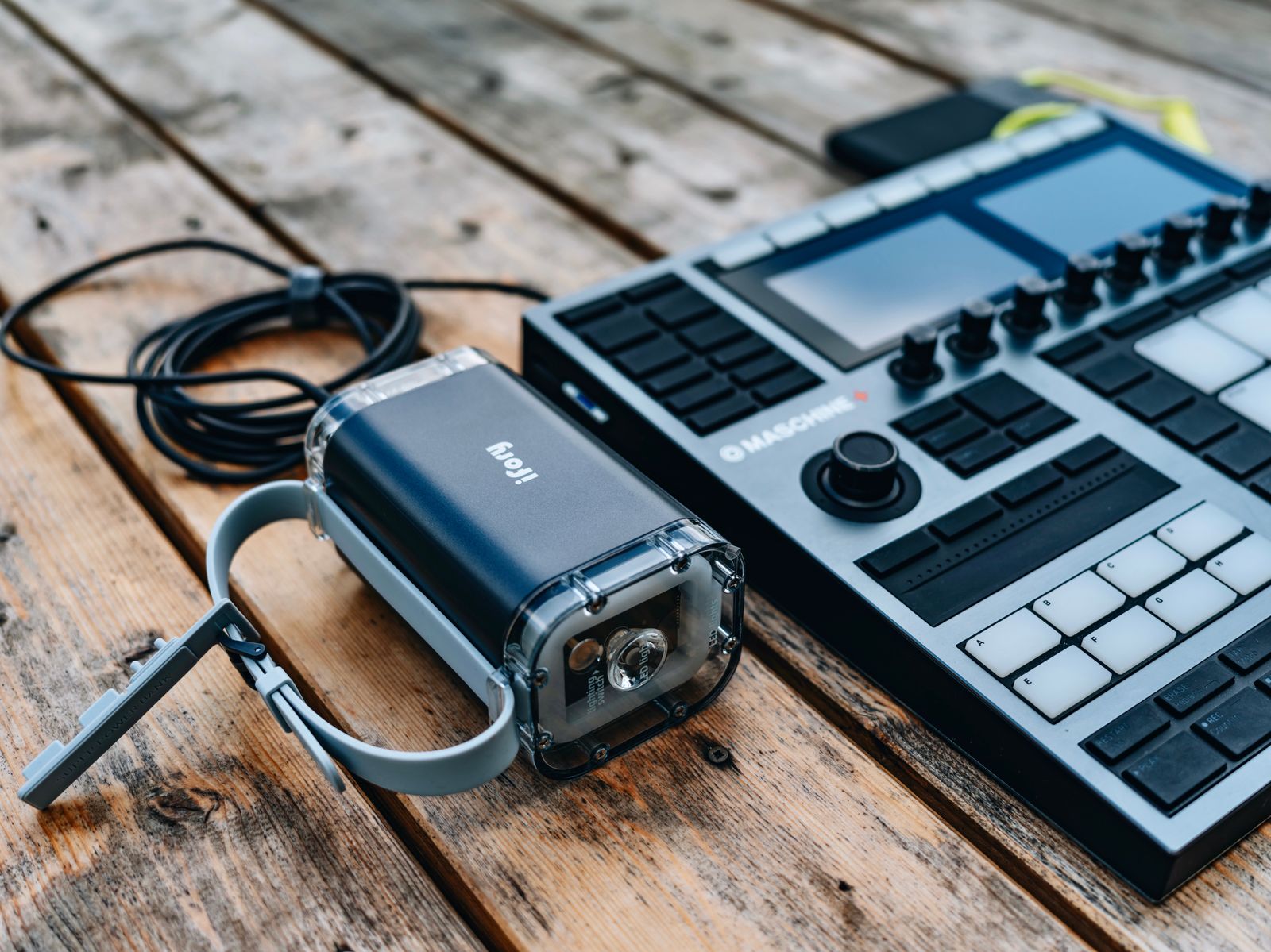
The appeal of the PD route is that half of it is already in your bag. A cable with the trigger built into the plug turns any 20V-capable charger into a Mini supply, and a right-angle plug keeps the dish end from sticking out four inches and levering against the port every time the bag gets set down.
Read the charger label before you buy the cable. You want 20V at 5A on a single port, not 100W spread over three. We watched a dish boot-loop on a charger rated for exactly this job, because it dropped to 15V the moment a phone joined the party.
Length is the other trap. Two metres is honest, three is usable, and beyond that the copper inside most braided jackets matters more than the braid. If the plug is warm after twenty minutes, the cable is telling you something.
See USB-C PD 100W cables on Amazon →
2. 12V Cigarette Adapter
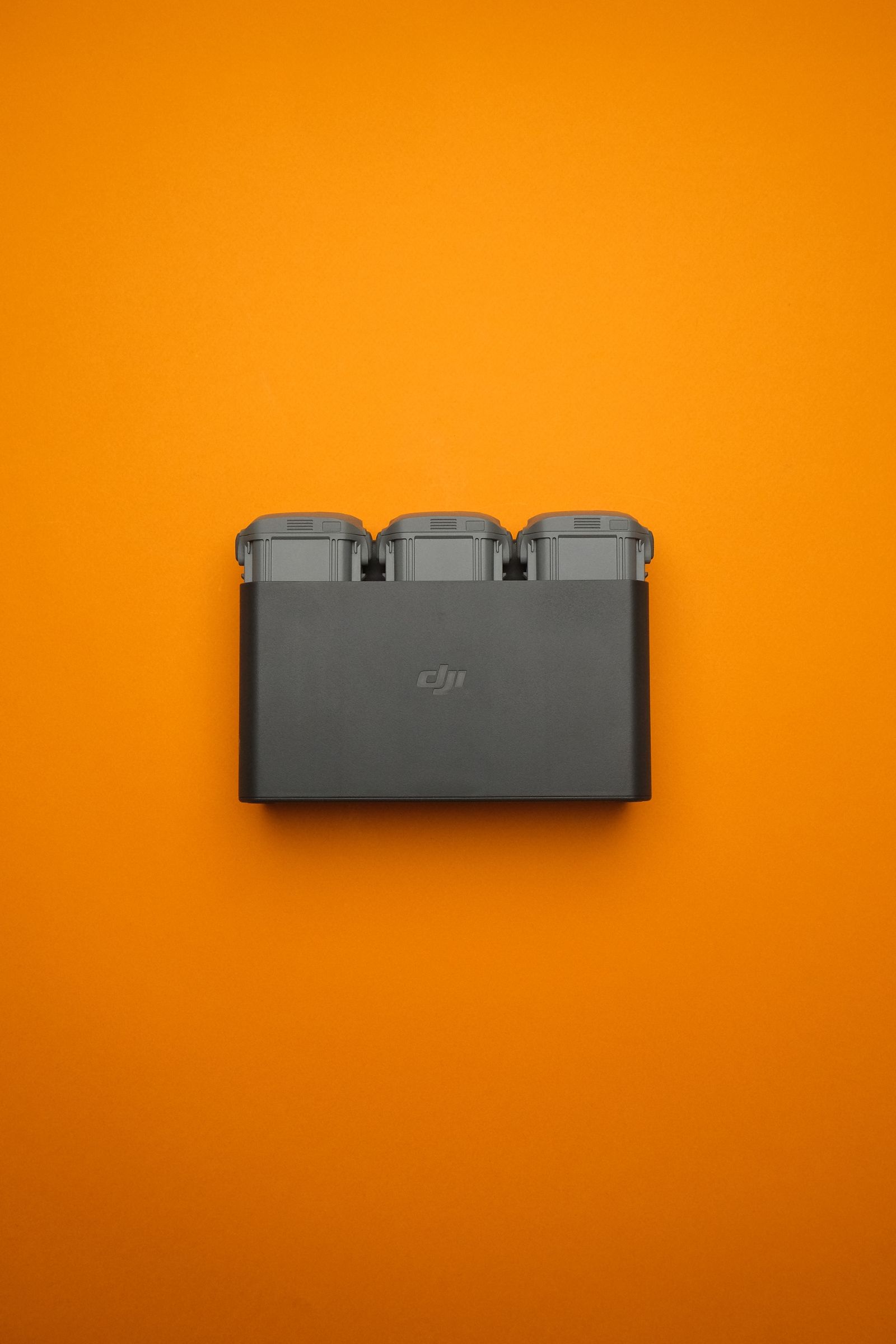
Every vehicle already has the socket, which is why these things sell by the thousand. Ours lives in the glovebox of a truck that hauls hay and firewood, and it has survived two winters mainly because the plug has a locking collar that threads down over the socket rim.
The collar is the feature worth paying for. A plain spring plug walks out of a worn socket on washboard, and a half-seated plug means arcing, a scorched socket, and a dish that reboots every time you cross a cattle guard.
Sixteen gauge copper is our floor for a run of a couple of metres. The LED is not decoration either, since it tells you the socket is live before you start blaming the dish. Just do not treat one of these as permanent wiring behind a panel.
See 12V cigarette adapters on Amazon →
3. Inline Blade Fuse Holder
A fuse is only useful if it sits close to the source. We have seen a holder spliced in eighteen inches from the dish, which protects the dish from a fault in the last foot and a half of cable and nothing else. Put it at the battery, the bus bar, or the fuse block, and then the whole run is covered.
Screw terminals beat crimped spades on a vehicle that vibrates. A waterproof cap matters if the holder lives under a hood or in a wheel well, because a blade fuse that has been sitting in road spray will fail from corrosion long before it ever blows.
Match the fuse to the wire, not to the dish. A holder rated for 5A fuses gives you a cheap, common spare that will protect a properly sized run without nuisance blows on a cold start.
See inline blade fuse holders on Amazon →
4. XT60 to Barrel Adapter
If you already carry a portable power station, this is the shortest path from the box to the dish. XT60 is keyed, it latches, and it will not rotate loose the way a barrel plug can when the cable is pulled sideways.
What you give up is simplicity. Every adapter in the chain is another set of contacts and another place for strain to concentrate, and a stiff short adapter hanging off a right-angle plug puts load exactly where the dish port is weakest. Support it with a clip a few inches back.
We keep one in the toolbox for testing new power stations rather than for permanent installs. It handles the current without complaint, and the keyed connector means nobody can plug it in backwards in the dark.
See XT60 to barrel adapters on Amazon →
5. DC Voltage Meter
A two-wire panel meter costs less than a decent sandwich and answers the only question that matters: what is the dish actually seeing? Mount it where you can read it while the load is running, not where it looks tidy.
Watch the number under load, not at rest. A bank that reads 13.2 with nothing attached can drop below 12 the moment the dish and a fridge both wake up, and that drop is the thing that causes reboots. Note the reading on a mild day, then compare it on the coldest morning of the year.
Wire it downstream of the fuse with a small inline fuse of its own. Cheap meters fail short when they fail at all, and you do not want an instrument to become the fault.
See panel mount DC voltmeters on Amazon →
The mistakes that cost people a weekend
Buying a charger by wattage instead of by voltage. A 100W label tells you nothing about whether the thing will hold 20V at 5A on one port with a second device attached, and that is the only spec the dish cares about.
Running thin cable because the run is temporary. Temporary runs have a way of becoming permanent, and an eighteen gauge cable at five metres will heat up and sag. If you would not leave it in place for a year, do not leave it in place for a weekend either.
Fusing at the wrong end, or not at all. A fuse near the dish protects the dish. A fuse near the battery protects the vehicle. Only one of those can burn your truck to the wheels, so choose accordingly.
FAQ
Will a 100W power bank run a Mini? Usually, for a few hours, if the bank genuinely outputs 20V at 5A on one port and the cable is short. Expect the bank to run warm and expect capacity to fall off in cold weather, because both are normal.
Can I leave the dish on a cigarette socket with the engine off? You can, but watch the meter. A socket tied to the starting battery will happily drain it below cranking voltage overnight, and a dish that reboots at dawn is a mild version of that problem.
Does a longer cable hurt anything? It costs voltage and it costs money, and past about three metres the loss becomes visible as heat. If you need the length, go up a gauge rather than hoping for the best.
Bottom line
PD is the right answer for a dish that travels in a bag and plugs into whatever charger you already own. Direct 12V is the right answer for anything mounted, anything long, and anything that has to work in February.
Whichever you choose, put a fuse at the source, keep the run short, and install a meter you can glance at. The cable is the cheapest part of the system and the one most likely to take the whole thing down.