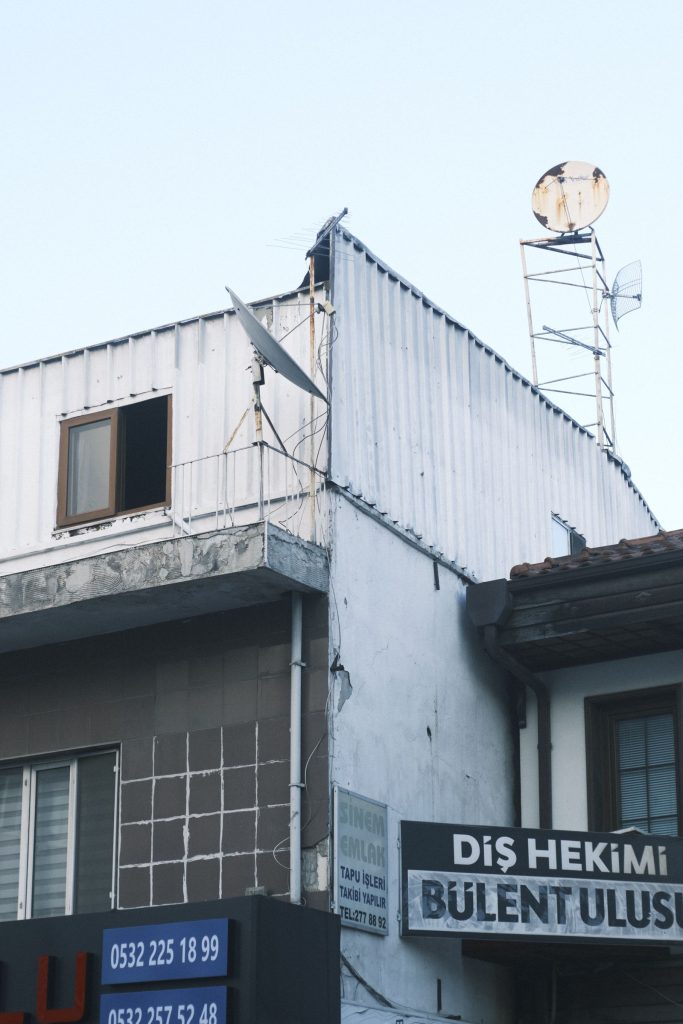
The High Performance dish is the one people eye when the standard unit feels like it’s leaving performance on the table. It’s bigger, draws more power, weighs more, and costs meaningfully more than the standard dish — and the accessories around it get heavier and pricier to match. We’ve installed one in a spot where the standard dish struggled, and we’ve also talked people out of one they didn’t need. The honest answer to “is it worth it” depends entirely on why you’re considering it.
This isn’t a spec-sheet comparison. It’s about the real, often-invisible costs that show up after you buy the bigger dish: the beefier power, the stiffer mounts, the heat, the cable runs. The High Performance is a great tool and a poor default, and knowing which one applies to you is what this guide is for.
What a High Performance setup needs
More of everything. A larger, heavier dish means a mount and pole that won’t flex under a bigger wind load; a higher power draw means a power supply with real headroom; more heat means your enclosure has to vent; and a longer, heavier cable means voltage drop becomes a genuine engineering concern on runs that were trivial before. People buy the HP dish expecting the dish to be the expensive part, and discover the supporting kit is where the money actually goes. Plan for the accessory ecosystem, not just the dish.
| Product | Best For | Key Features | Price |
|---|---|---|---|
 |
High-Performance Dish Mount |
|
Check Price on Amazon |
 |
48V Power Supply |
|
Check Price on Amazon |
 |
Heavy-Duty Mounting Pole |
|
Check Price on Amazon |
 |
Weatherproof Enclosure |
|
Check Price on Amazon |
 |
Replacement Dish Cable |
|
Check Price on Amazon |
1. High-Performance Dish Mount
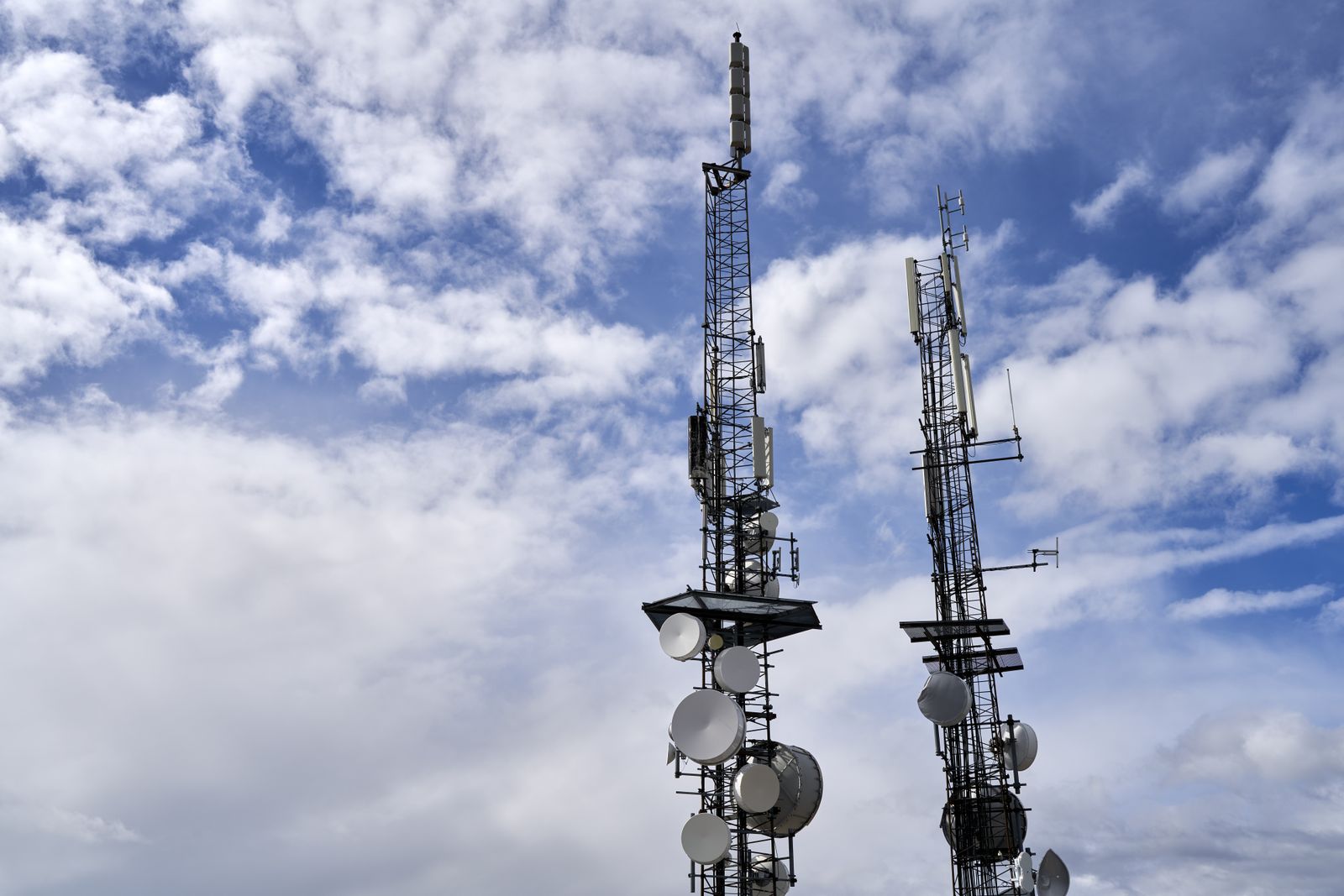
The first thing you learn with the HP dish is that the mount matters more than with any other model. It’s a heavier panel, so it needs stiffer steel and a mount genuinely rated for the weight and the wind load it presents. We would not reuse a bracket from a smaller dish — the loads are different, and a mount that shrugged off a light dish can slowly deform under the HP’s mass and leverage in a gust. Buy a mount rated for the High Performance specifically, because generic “Starlink mount” listings aren’t all built the same.
Placement matters too. A heavier dish is harder to move, so get the spot right the first time; you don’t want to be up a ladder re-aiming a big panel in January. And because the panel is larger, its wind loading is larger — a mount that’s fine on a sheltered wall can struggle on an exposed pole. Match the mount to the worst case you’ll see, not the average day.
Liked: a properly rated mount keeps the heavy dish steady, which is most of the battle. Catch: it’s heavier and costlier than small-dish brackets, and generic mounts may not be rated for the load. Buy for the HP model and for your wind exposure.
See HP dish mounts on Amazon →
2. 48V Power Supply
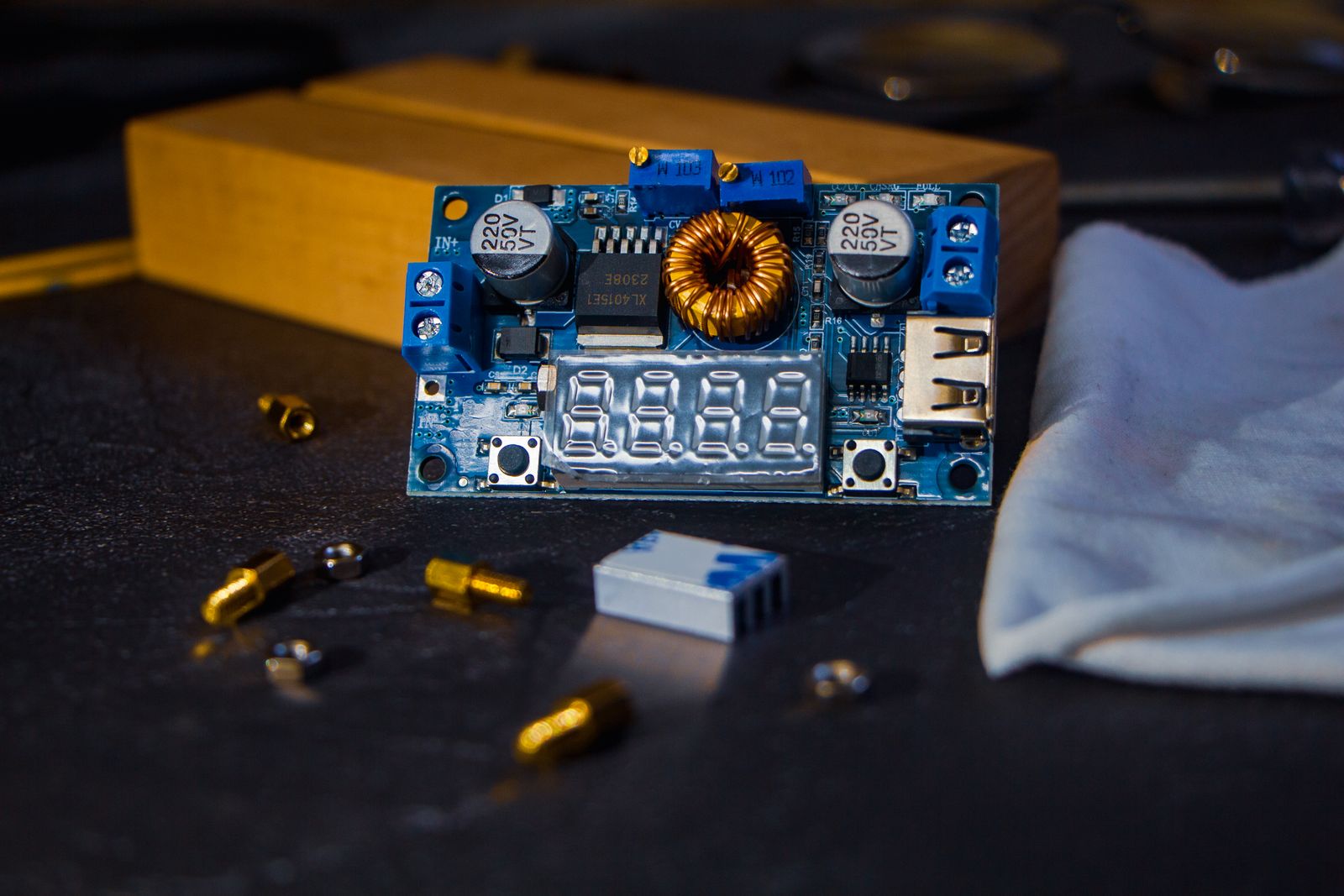
The HP dish wants a clean, adequately rated power supply, and this is where a lot of builds quietly go wrong. It draws more than the standard dish, so a supply that’s marginal for a standard unit can sag under the HP’s load, producing dropouts that look like a satellite problem but are really a power problem. You want a supply with real headroom above the dish’s peak draw, not one that just meets it on paper. We’ve seen a weak supply turn a perfectly aimed HP dish into a source of random reboots.
Keep the supply dry and cool, too. Heat shortens the life of any electronics, and a power brick living in a hot, sealed box is a slow-motion failure. Match the connector to the dish, verify the rating exceeds the peak, and give it airflow. The supply is the least glamorous part of the whole setup and the one most likely to ruin your week if it’s undersized.
Liked: a properly rated supply keeps the HP dish stable under load, and reliability is worth paying for. Catch: undersizing it causes mystery dropouts, and it must match the connector exactly. Buy above the peak and keep it cool and dry.
See 48V power supplies on Amazon →
3. Heavy-Duty Mounting Pole
If the HP dish goes up a pole, that pole needs thick walls and low flex. A thin pole that carried a standard dish will sway under the HP’s extra weight and sail area, and a swaying dish is a dish that keeps re-aiming and dropping throughput. We learned this the hard way on a mast that was fine with a smaller dish and noticeably bouncy with a bigger one. Thicker steel, shorter above the last support, and a proper guy system if it’s tall — the pole is not the place to save.
Two extra disciplines come with a heavy pole: guy it if it’s tall, and bond it to ground. A tall mast holding a big panel is both a lever in the wind and an inviting target for lightning, so the same grounding you’d give any tall structure matters here even more. A ground rod and a strap are cheap compared to replacing a dish that took a strike through the cable.
Liked: a thick, low-flex pole keeps the heavy dish from swaying, which preserves performance. Catch: it’s heavier, pricier, and tall poles need guying and grounding. Don’t reuse a light pole for the HP dish — it’ll flex.
See heavy-duty poles on Amazon →
4. Weatherproof Enclosure
Once you’re running a converter or power supply outdoors, a weatherproof enclosure keeps the water out and the electronics alive. A gasketed, IP-rated box with cable glands lets you house the gear near the dish and make one clean, protected junction instead of leaving bare connectors to the weather. We’ve used one to shelter a supply near a mast, and it’s the difference between a tidy install that lasts and a corroded mess by spring.
The one thing people get wrong is heat: seal everything up with no airflow and the box becomes an oven. If your gear runs warm — and HP-class gear does — vent it or shade it, or pick a larger box so heat has somewhere to go. Weatherproof and heatproof aren’t the same thing, and a sealed box full of hot electronics is a reliability problem waiting to happen. Keep water out, but let heat escape.
Liked: keeps outdoor electronics dry and the installation clean, with glands for real cable entries. Catch: a sealed box gets hot; vent or shade it. Weatherproofing and cooling pull against each other, so plan for both.
See weatherproof enclosures on Amazon →
5. Replacement Dish Cable
A replacement cable is the spare you’re glad you have, and with the HP dish it’s also a chance to fix a run that’s too long for the power involved. The right cable carries the load without excessive voltage drop, and on a heavier draw the length penalty is bigger, so a run that worked fine on a standard dish can sag on the HP. Keep the cable to a sensible length, use the correct gauge and ends, and strain-relieve it where it enters the building so the connector isn’t carrying the cable’s weight.
We treat a spare cable like an insurance policy, because a damaged cable in a remote location takes the whole link down. Check for kinks, especially on a used or relocated cable, and replace rather than repair if the jacket is compromised. A cheap spare sitting on the shelf beats an emergency order from a site with no signal and no delivery address.
Liked: a spare prevents a small failure from becoming a trip-ending one, and the right gauge keeps voltage honest. Catch: you must match the connector and gauge, and over-long runs still sag even with a good cable. Strain-relieve the entry and keep a spare.
See replacement cables on Amazon →
Power draw changes everything
The single biggest hidden cost of the High Performance dish is power. It draws more than a standard unit, which cascades through your whole build: the supply needs more headroom, the cable run tolerates less voltage drop, any battery or solar system needs more capacity, and heat becomes a thing you actively manage. If you’re on grid power, this is mostly invisible. If you’re off-grid, in a vehicle, or running on a battery, the HP dish can turn a comfortable power budget into a tight one overnight. Add up the peak draw honestly before you commit, because the dish is only part of the equation.
That extra draw is also where the performance comes from — more radio power and a bigger aperture are what buy you the extra capability — so it’s not waste, it’s a trade. The question is whether your infrastructure can afford that trade. On a generator or mains, usually yes. On a modest battery, maybe not, and the standard or Mini dish will serve you better for less stress.
Mounting: the hidden second cost
After power, mounting is where the cost surprises people. A heavier dish needs a stiffer mount, a thicker pole, guying if it’s tall, and grounding if it’s above the roofline. Add a weatherproof enclosure for outdoor electronics and a properly sized cable, and the accessory bill can approach or even exceed what you mentally budgeted for “a dish.” None of this is optional if you want the HP dish to perform — an under-built mount is the fastest way to make a capable dish behave like a mediocre one, because it never stops moving.
The good news is that the money is one-time and the result is durable. Build the mount and pole right and you install once, then mostly forget it. Build them cheaply and you’ll be back up the ladder, which is exactly what a bigger dish makes worse. On a heavy panel, spend on the steel.
When the High Performance pays off — and when it doesn’t
It pays off when you genuinely need more throughput, better performance in a marginal or high-demand location, or steadier service for a lot of users or a business-critical link. In those cases the extra capability is the whole reason you’re buying, and the supporting costs are justified by the outcome. We’ve seen it rescue a location where a standard dish couldn’t keep up, and in that context the money was well spent.
It doesn’t pay off when you’re buying it “just in case.” For a single household doing normal browsing, calls, and streaming at a location with a decent sky view, a standard or Mini dish delivers everything you’ll notice, at lower cost and with a simpler power and mounting story. The HP dish is a tool for people with a specific reason, not a default upgrade. If you can’t name the reason clearly, you probably don’t need it, and the money is better spent on a better mount and a clean cable run for the dish you already have.
Comparison
| Option | Role | Cost impact | Watch out for |
|---|---|---|---|
| HP dish mount | Holds the heavier panel | High | Wind load rating |
| 48V power supply | Feeds the higher draw | Medium | Headroom above peak |
| Heavy-duty pole | Low-flex support | High | Guy and ground it |
| Weatherproof enclosure | Shelters outdoor gear | Medium | Heat, not just water |
| Replacement cable | Spare and right gauge | Low | Voltage drop on length |
FAQ
Is the High Performance dish worth it for a normal home? Usually not. If you have a good sky view and one household of users, a standard or Mini dish gives you the performance you’ll actually notice, with simpler power and mounting. The HP earns its keep when you have a specific need for more capability or capacity.
Can I reuse my standard dish’s mount and pole? We wouldn’t. The HP dish is heavier and presents more wind load, so a mount or pole that was fine before can flex or deform under the bigger panel. Buy equipment rated for the High Performance model specifically, and rate it for your worst wind.
Why does the HP dish need a bigger power supply? It draws more power than a standard dish, so an undersized supply sags under load and causes dropouts that look like a signal problem. Size the supply above the dish’s peak draw, keep it cool and dry, and match the connector exactly.
Does the extra draw matter off-grid? Very much. On battery or solar, the higher draw can turn a comfortable power budget into a tight one, and heat management gets harder. If you’re off-grid or in a vehicle, weigh the HP dish carefully against a lower-draw model before committing.
Our pick
If you’ve decided the High Performance is genuinely what your site needs, build the support properly and don’t cut corners: a mount rated for the HP dish on a thick, low-flex pole, with power to match.
If you can’t name the specific reason you need the extra capability, save the money and the complexity. For most homes a standard or Mini dish is the smarter buy, and the difference you’d feel is small — while the difference in power, mounting, and cost is large. Buy the dish you can justify, not the one with the biggest number.