Solar and Starlink are a natural pairing — the dish needs power, the sun provides it, and neither the satellite nor the panel cares where you are. But “just add solar” hides the real work: matching panel watts to the dish’s daily appetite, storing the day’s harvest so the dish runs at night, and accepting that clouds are a part of life. We’ve run a Mini on a folding panel for weeks and a Standard dish off a rigid array and a battery bank, and the setups that work are the boring ones.
The core idea is simple. Panels collect energy, a controller manages it, a battery stores it, and the dish draws from the battery. Each piece has to be sized for the one next to it. Skip the math and you end up with a big panel that can’t fill a small battery, or a battery that can’t carry the dish through the night. Do the math and the system runs itself.
What an off-grid solar setup needs
A panel that produces more than the dish uses each day, a controller that doesn’t waste the harvest, and enough battery to carry the dish through the dark hours. Add margin for cloudy stretches and for winter. The Mini is gentle on power, so a modest panel and a mid-size battery cover it. A Standard dish draws several times more, so the same design scales up — bigger panel, bigger store. Get those three pieces in balance and the sun keeps the dish alive indefinitely.
| Product | Best For | Key Features | Price |
|---|---|---|---|
 |
200W Folding Solar Panel |
|
Check Price on Amazon |
 |
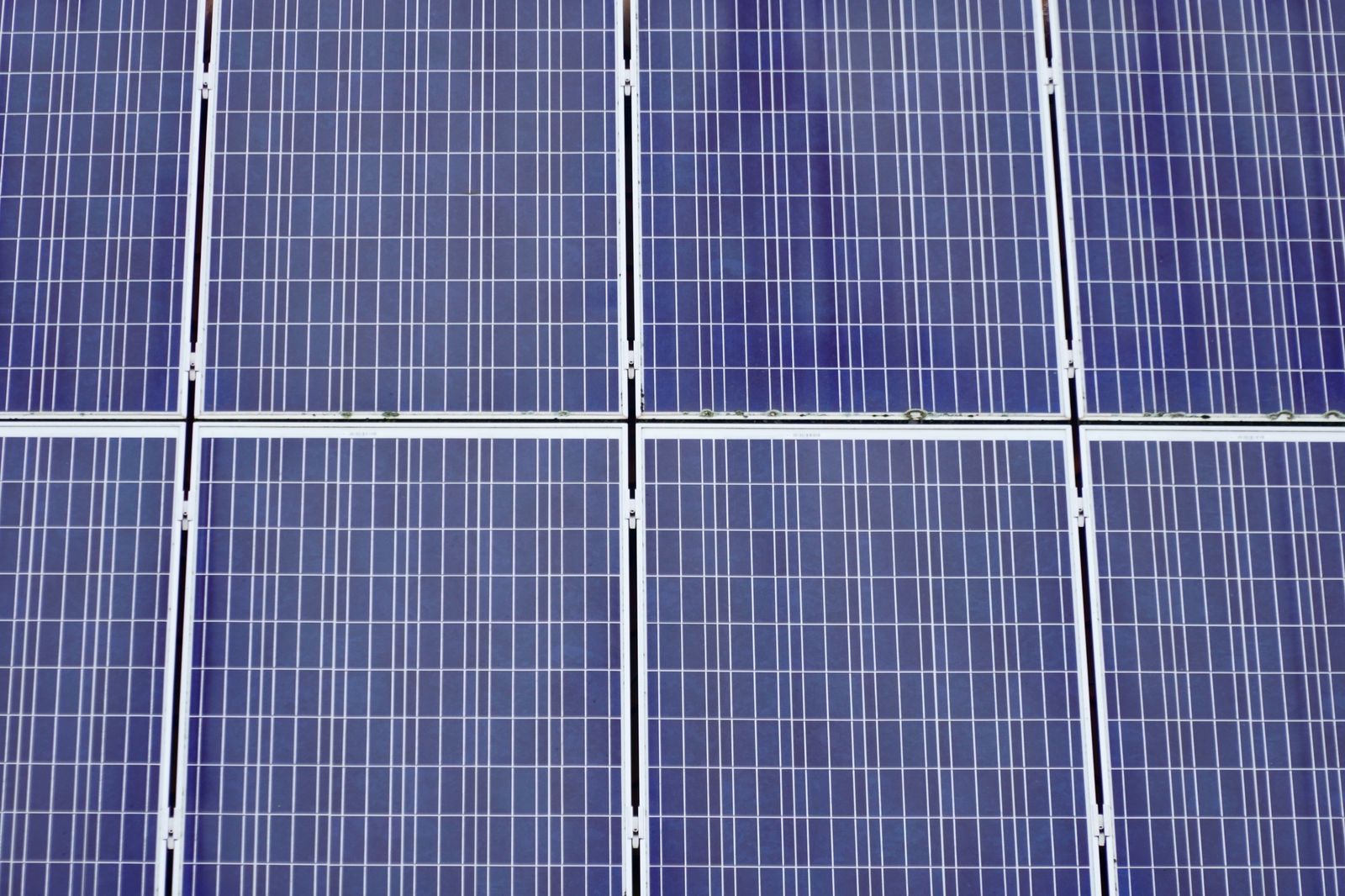
400W Rigid Solar Panel |
|
Check Price on Amazon |
 |
MPPT Charge Controller |
|
Check Price on Amazon |
 |
Solar Generator + Panel Kit |
|
Check Price on Amazon |
 |
LiFePO4 Deep-Cycle Battery |
|
Check Price on Amazon |
1. 200W Folding Solar Panel
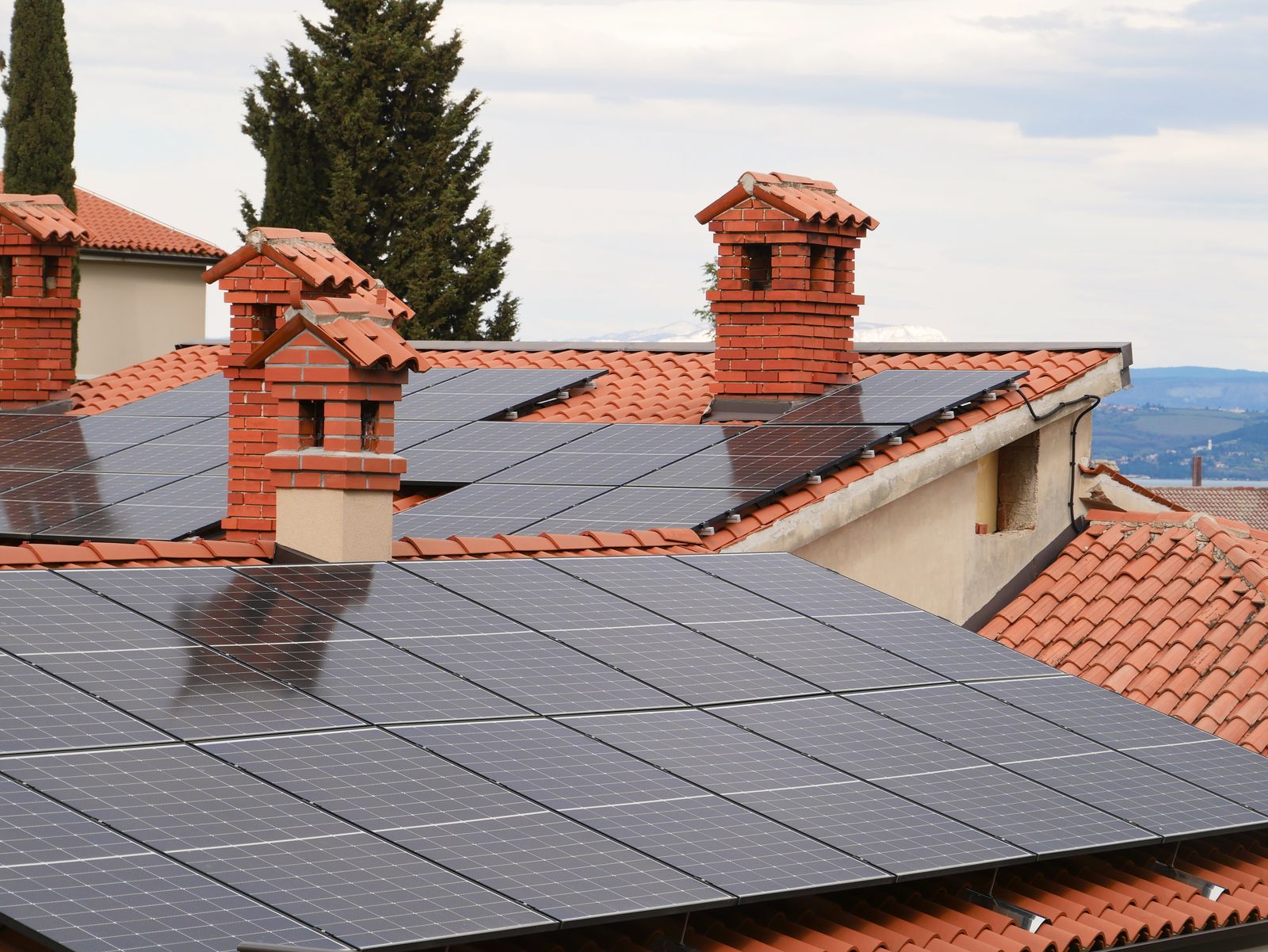
A folding panel is the portable solar solution: it packs flat, sets up in minutes, and pairs with most solar generators through a standard input. We’ve carried one to a remote site, unfolded it, angled it at the sun, and topped up a power station all afternoon. For the Mini it’s often all the panel you need.
Two realities shape how you use it. First, cloud cover can halve output, so a 200W panel is really a 100W panel on an overcast day — size with that in mind. Second, folding panels reward attention. You can move and re-aim them through the day, chasing the sun, which a roof-mounted panel can’t. Keep the angle near perpendicular to the sun and re-aim every hour or two, and you’ll harvest noticeably more than a panel left pointing the wrong way all morning.
Liked: portable, fast to set up, pairs with any solar generator, aim it wherever the sun is. Catch: clouds halve the output, and you have to actually move it to get the most. Treat the rated watts as a bright-day ceiling, not an average.
Compare 200W folding panels on Amazon →
2. 400W Rigid Solar Panel
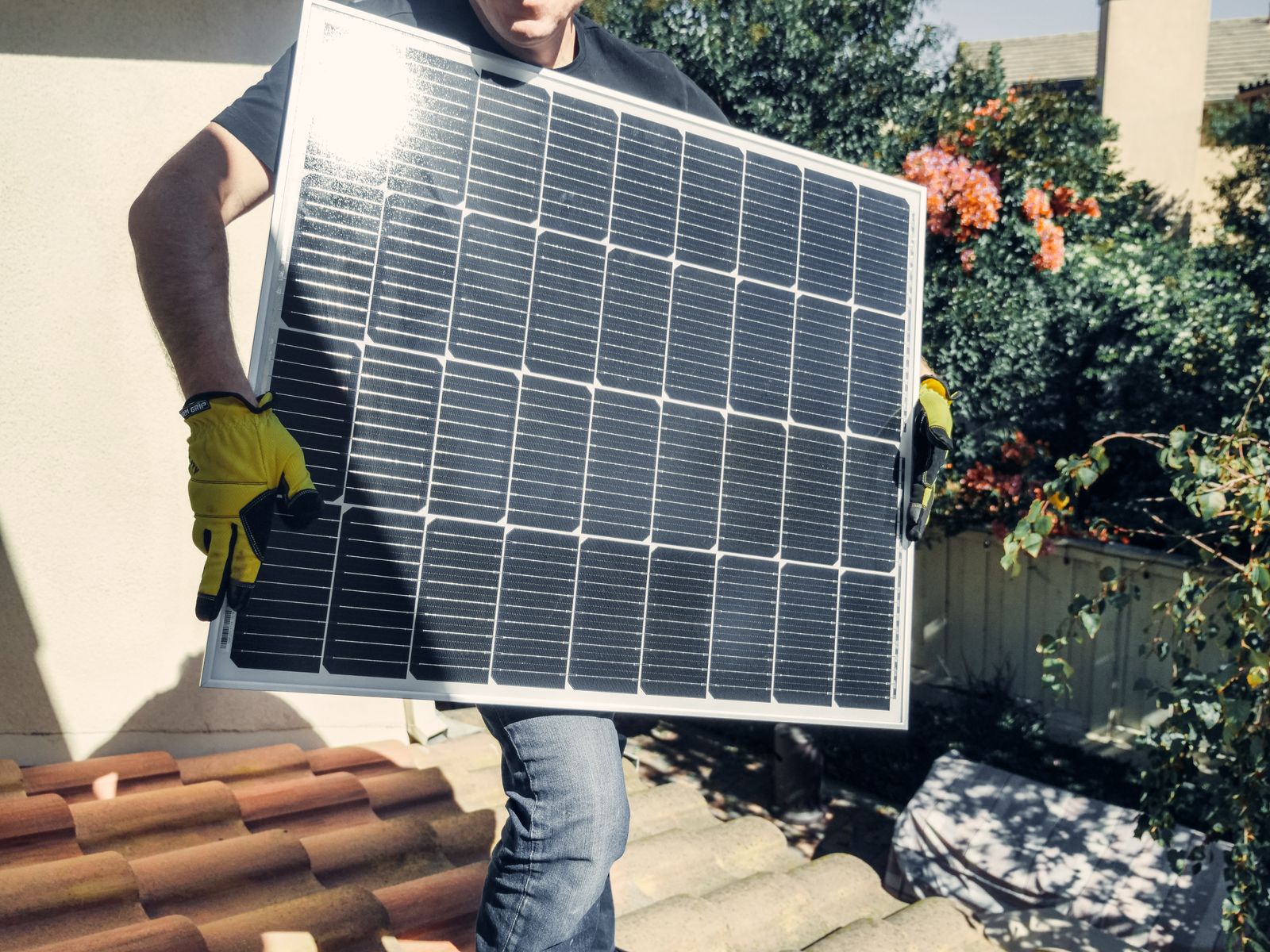
A rigid panel is the permanent answer: mount it on a roof or a rack, wire it once, and forget it. Rigid panels give you more watts per dollar than folding ones and hold up to weather far better. We’ve got a rigid array that’s survived hail and a decade of sun with nothing but an occasional rinse.
The catch is that a rigid panel needs a charge controller, since it feeds a battery directly rather than a self-contained generator. That’s a small complication that buys efficiency. Angle matters too — a fixed mount points at one spot in the sky, so set it for your latitude and tilt it toward the season. Panels bolted flat to a roof underperform compared to ones angled at the sun, sometimes by a wide margin, so plan the mount angle before the drill comes out.
Liked: permanent, more watts per dollar, tough in weather. Catch: needs a controller and a thoughtful mount angle. Flat-mounted panels leave free power on the roof, so tilt them or accept the loss.
See 400W rigid panels on Amazon →
3. MPPT Charge Controller
The controller is the part people skip, and it’s the part that quietly decides how much of your panel’s output you actually keep. MPPT — maximum power point tracking — continually adjusts to pull the most power a panel can give, and it beats the older PWM type especially in cool or low-light conditions, when panel voltage runs higher than a PWM controller can use.
Size it for the panel’s open-circuit voltage and the array’s current, not just the watts. A controller rated below the array’s VOC either refuses to work or fails, and that’s a match you check before buying. We favor controllers with a load output, because it lets you power a small device directly and set a low-voltage cutoff that protects the battery. Spend a little more here and the whole system performs better.
Liked: beats PWM, squeezes more from a panel, works in cold and shade better. Catch: must be sized for panel VOC, and a cheap controller can bottleneck a good panel. Get one with a load output for the flexibility.
Compare MPPT controllers on Amazon →
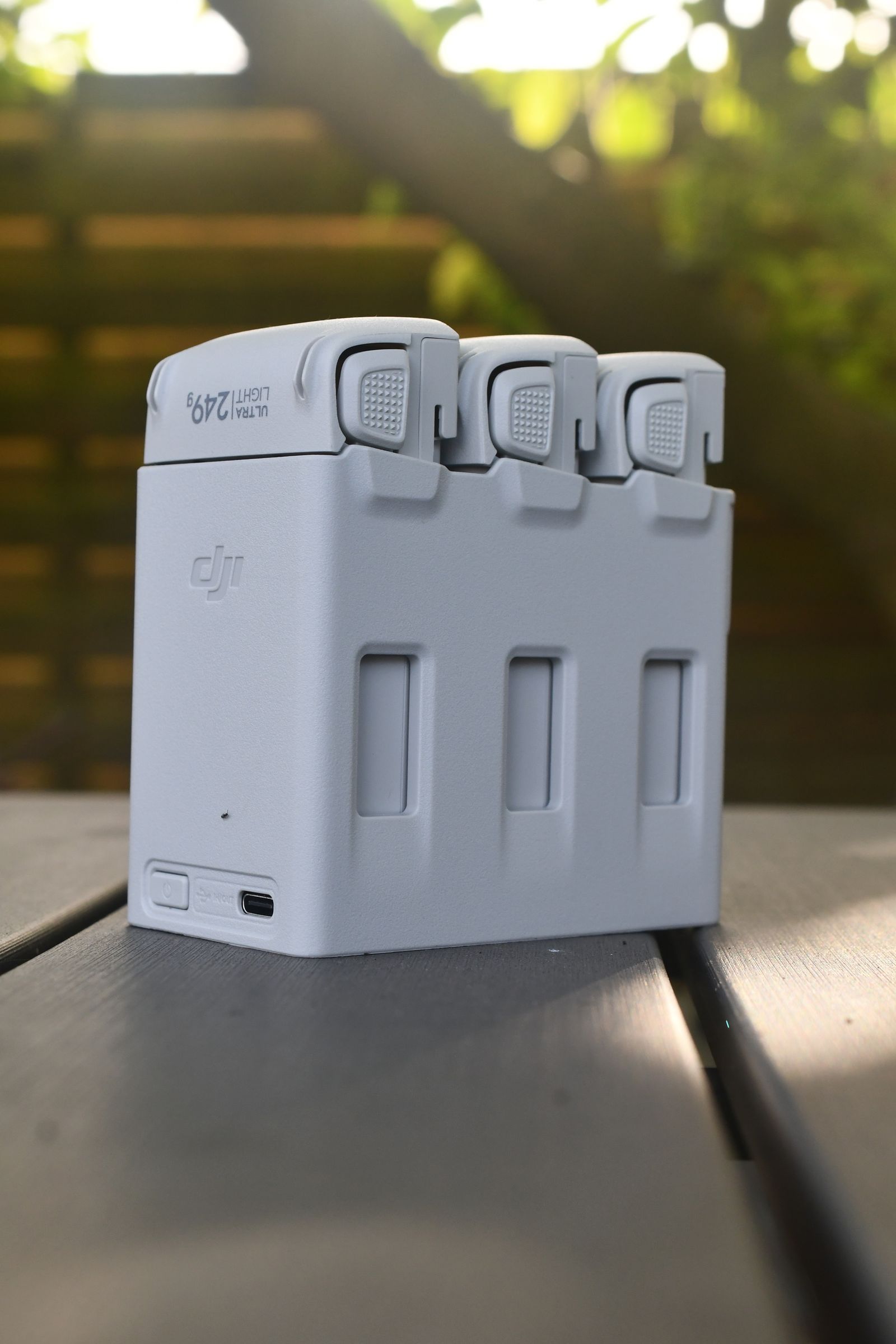
4. Solar Generator + Panel Kit
A matched kit — generator plus panel — is the fastest path to off-grid power for someone who doesn’t want to design a system. Everything is tested together, the connectors already match, and setup is a matter of plugging the panel into the box. For running a Mini, it’s often the whole answer in one purchase.
The thing to check before buying is recharge time. How long does the panel take to refill the generator, and does that fit your daily sun? A kit whose panel can’t replace the dish’s daily use before the sun sets will leave you short, even if each part looks fine alone. Some generators also expand with extra batteries, so factor that in if you might grow the system. Start with the recharge math and the kit either fits or it doesn’t.
Liked: matched and tested, plug-in simplicity, fast to stand up. Catch: check the recharge time against your sun hours, and confirm whether you can expand. A mismatched panel is the weak link even in a kit.
See solar generator kits on Amazon →
5. LiFePO4 Deep-Cycle Battery
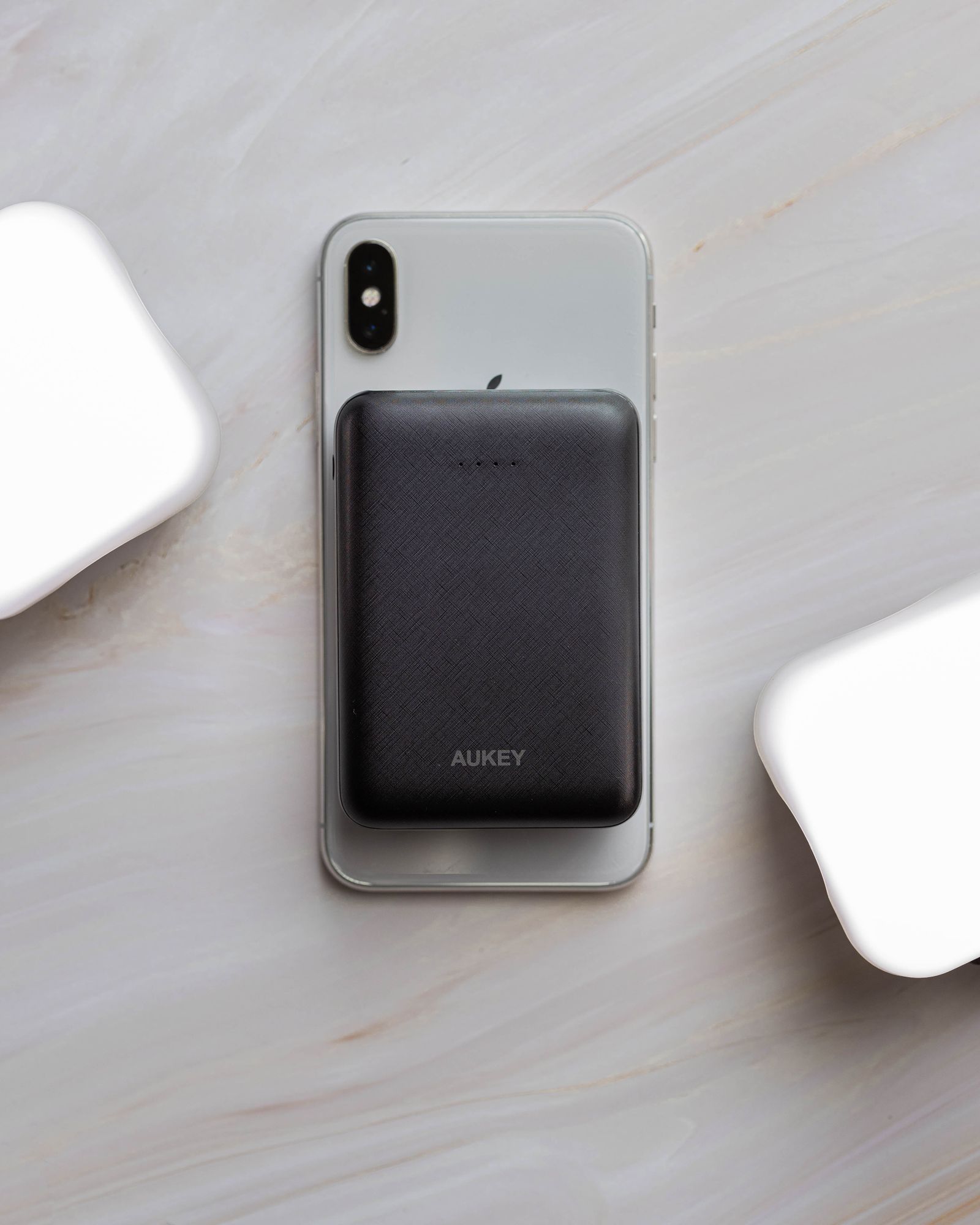
A deep-cycle LiFePO4 battery is where the day’s harvest lives, so the dish can run after dark. LiFePO4 cells give you thousands of cycles, tolerate deep discharge without the damage a lead-acid battery takes, and hold a fairly steady voltage as they drain — which keeps the dish happy right down toward empty. We’ve cycled such a bank daily for seasons with no real capacity loss.
The battery needs a charge controller or a matching charger, since it’s not self-contained like a power station. And on the discharge side you want over-discharge protection, either from a battery management system built into the cells or a controller with a low-voltage cutoff. Plan capacity around your longest night plus a buffer for cloudy days, and the system sails through weather that would strand a smaller store.
Liked: stores the day’s harvest, long lifespan, deep-discharge tolerance. Catch: needs a controller or charger, and wants a BMS or cut-off. Size for your longest night, not your average one.
Compare LiFePO4 deep-cycle batteries on Amazon →
Harvest math: what a panel really gives you
Peak panel watts are a laboratory number. In the real world, dirt, heat, imperfect angle, and cloudy hours cut into it, so plan on something like four to six times the panel’s rating in watt-hours on a good day, and half that when it’s grey. A Mini that draws a modest load all day needs far less than a Standard dish pulling multiples of that, so the same panel that feels abundant for one dish may be thin for the other.
Do the daily accounting honestly. Add up what the dish and router use over 24 hours, then compare it to what your panel harvests in a day on an ordinary — not perfect — sky. If the harvest covers the draw with room to spare, the battery stays charged. If it only covers the draw on a cloudless day, you’ll run down over a grey week, which is exactly when you needed the system most.
Angle, shade, and the moving sun
Two panels of the same watts can produce very different amounts of power based on how they’re aimed and what’s shading them. A panel perpendicular to the sun harvests far more than one lying flat, and a single shadow across a panel can cut its output more than seems fair. Keep panels clear of shade, and re-aim portable ones through the day.
For fixed mounts, set the tilt for your latitude and adjust a little by season. For portable panels, treat every hour or two as a chance to catch a bit more sun. It sounds fussy, but it’s the difference between a system that tops up by early afternoon and one that never quite catches up before dark.
Comparison
| Component | Best for | Pairs with | Watch out |
|---|---|---|---|
| 200W folding panel | Portable Mini setups | Solar generators | Clouds halve output |
| 400W rigid panel | Permanent installs | MPPT + battery | Needs a controller, tilt |
| MPPT controller | Any battery system | Rigid panels, batteries | Size for panel VOC |
| Generator + panel kit | Fastest start | Plug-in only | Recharge time |
| LiFePO4 deep-cycle | Overnight storage | Controller + panels | Needs BMS or cutoff |
FAQ
How many solar watts does a Mini need? Less than you’d think, because the Mini sips power. A folding panel in the 100-200W range tops up a suitable battery in a day of decent sun. A Standard dish draws several times more and wants a correspondingly larger array.
Can solar run a Standard dish around the clock? Yes, if the panel harvests more each day than the dish uses and the battery covers the night. You size the array and the store for the daily draw, not for the peak watts. Skimp on either and you run down over a cloudy stretch.
MPPT or PWM? MPPT, almost always. It pulls more from the panel and does better in cold or weak light, which is exactly when you need the extra. PWM is cheaper and simpler but leaves power on the table.
Do I need a battery if I have a solar generator? The generator already has one built in, so you don’t add a second. If you’re building from separate parts, the deep-cycle battery is your store, and it needs a controller to charge it properly.
Our pick
For a portable Mini setup, we’d pair a 200W folding panel with a solar generator kit — one compact system that charges by day and runs the dish into the evening. It’s the fewest moving parts and the fewest things to get wrong.
For a permanent, higher-draw install, build around a 400W rigid panel, an MPPT charge controller, and a LiFePO4 deep-cycle battery. Oversize the battery for cloudy days and the sun does the rest.