The question we get most often from people building a van or a cabin system is some version of this: how many watts does Starlink actually pull? The honest answer is that it depends on the hour, the weather, and whether the dish has decided it needs to melt snow. Anyone who quotes a single number has either never put a meter on one or is selling something.
We have wired both dishes into off-grid systems for long enough to have a feel for the shape of the load, and the shape matters more than the peak. A Mini and a Standard are not the same animal. One is roughly a laptop with a phased array attached. The other is a small appliance that also happens to move on a motor. If you are sizing a battery bank, that difference decides whether you need one battery or three.
Nameplate numbers versus what the meter actually says
A DC clamp meter on the positive lead is the only way to know. Plug the dish into its own fused circuit, zero the meter, and leave it logging for a full day. What you will see is a load that idles lower than you expect and spikes higher than you expect, often within the same ten minutes. The spec sheet gives you a range because the dish is not a light bulb.
In our experience, a Mini sits somewhere in the twenties to forties of watts once it has settled into a link, with short excursions above that when it is working harder for a weaker signal. A Standard, the motorized one, runs higher across the board — think fifty to seventy-five watts as a working average, more when the heater kicks in or when it is hunting for a satellite behind trees. Both pull a surge at boot that a small fuse will not forgive.
The dish also does not care about your budget. It will raise power to hold a link through rain, and it will burn current heating the face when it senses accumulation. That heater is the biggest variable in a winter install.
Why the average is not the number you plan around
Duty cycle is the thing. The dish is not drawing its working load every second; it modulates. Averages hide that, and batteries do not care about averages. A 100Ah lithium pack with a 100A BMS is not troubled by either dish, but a small portable power station with a 300W inverter limit might be, especially at boot.
Obstruction changes the number too. A dish with a clean view settles down. A dish that keeps losing packets and reacquiring works harder, and the motorized Standard adds real consumption every time it repositions. We have watched a Standard under a partial tree line run noticeably hotter than the same unit in open sky, and not because of the weather.
Turning watts into amp-hours you can size a bank against
Do the arithmetic at your system voltage, not at 120 volts. A 30W load at 12V is about 2.5A, which is 60Ah over a day. A 60W load is 5A, or 120Ah. Those numbers are rough, they ignore converter losses, and they are still close enough to tell you that a single 100Ah battery is one day of reserve for a Standard and closer to two for a Mini.
If you are running an inverter to feed the stock power supply, add ten to fifteen percent and accept that you are now powering a heater to power a power supply. Native DC input avoids that. It is the largest efficiency gain available to an off-grid install.
| Product | Best For | Key Features | Price |
|---|---|---|---|
 |
DC Clamp Meter |
|
Check Price on Amazon |
 |
LiFePO4 Battery 100Ah |
|
Check Price on Amazon |
 |
MPPT Solar Controller |
|
Check Price on Amazon |
 |
Battery Monitor Shunt |
|
Check Price on Amazon |
 |
Fused DC Distribution |
|
Check Price on Amazon |
1. DC Clamp Meter
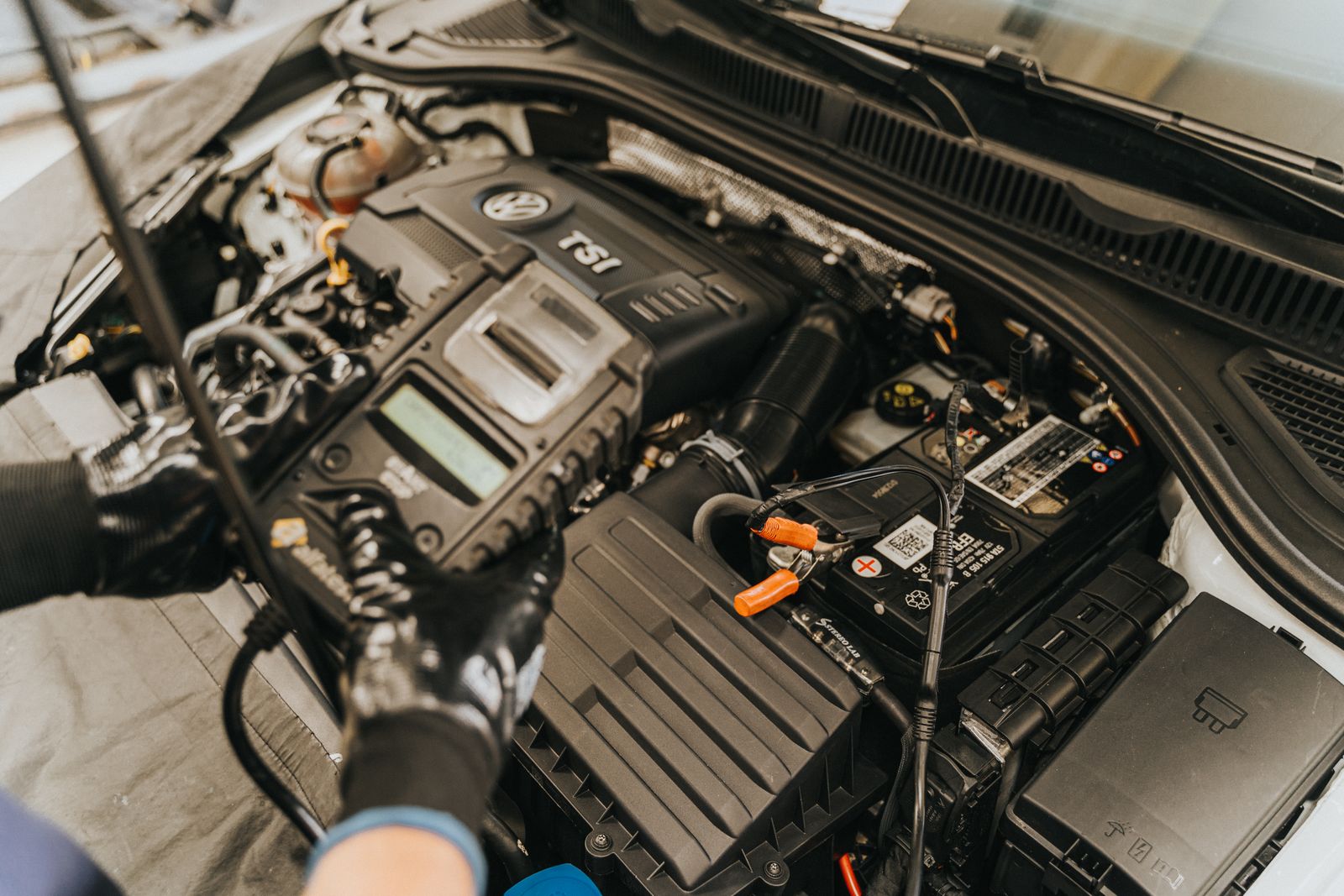
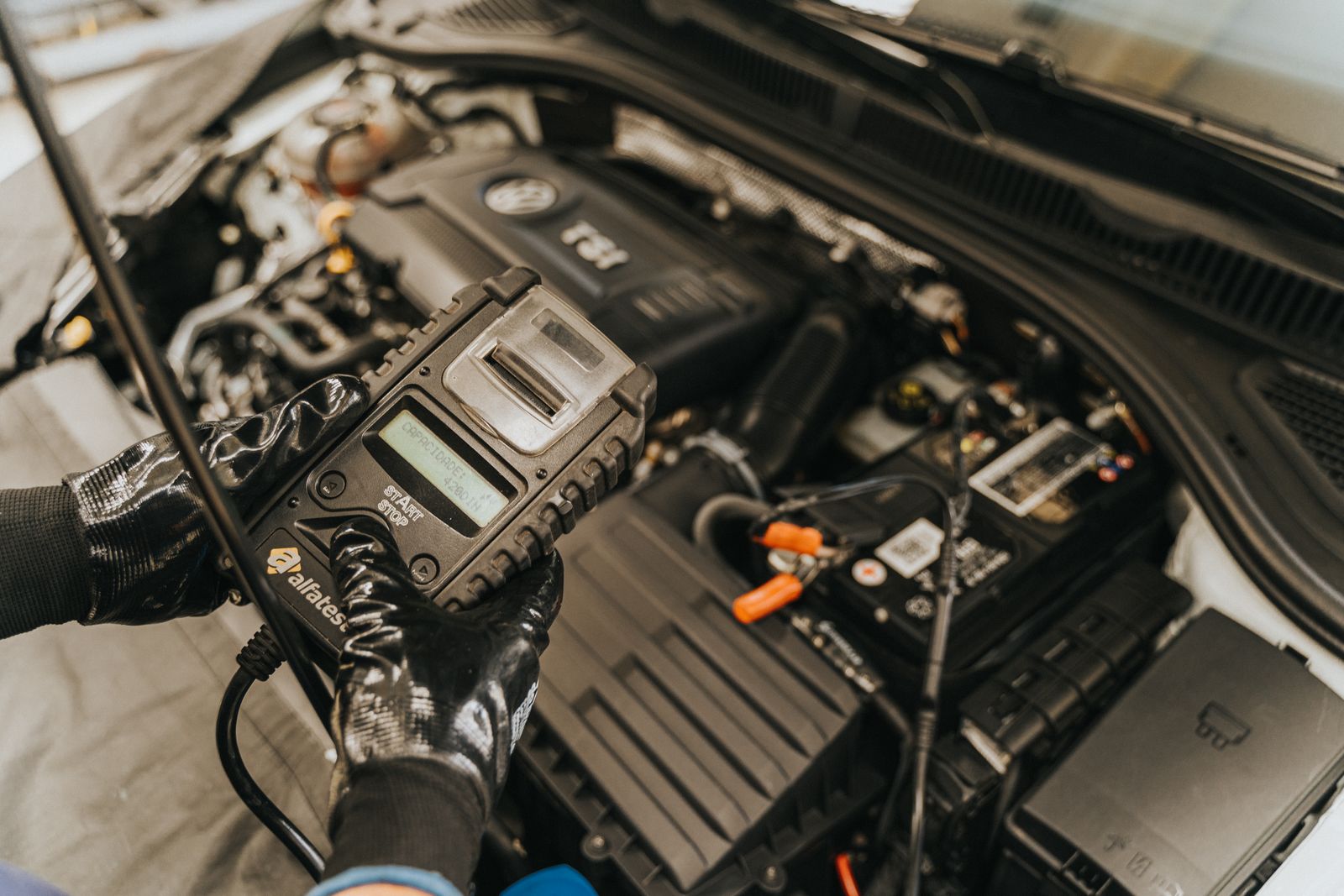
Before you buy anything else, buy the instrument that tells you the truth. A clamp meter that reads DC current without breaking the circuit lets you measure the actual draw at the fuse block, at the dish, and at the battery, and compare the three. That comparison finds bad connections faster than any amount of guessing.
Look for one with a min-max hold and inrush capture. The boot surge is a fraction of a second and a display that updates twice a second will miss it entirely, which is how people end up with a fuse that blows once a week for no visible reason. Auto-ranging is a convenience, not a luxury, when you are crawling under a dinette with a flashlight in your teeth.
Zero it before every session. A clamp meter drifts, and a couple of tenths of an amp of offset multiplied by twenty-four hours is a phantom load you will spend a weekend chasing. Clip it around a single conductor, not the pair, or you will read the difference between them, which is zero.
See DC clamp meters on Amazon →
2. LiFePO4 Battery 100Ah
A 100Ah lithium pack is the smallest bank we are comfortable recommending for a Standard, and it is generous for a Mini. Lithium iron phosphate tolerates partial state of charge far better than lead acid, which matters because an off-grid dish load is relentless and rarely lets a lead bank get back to full.
Check the BMS ratings, not just the capacity. Continuous discharge and peak discharge are listed separately and the peak is often only good for a few seconds. Since the dish surges at boot and the heater adds a step load, you want headroom, not a number that matches your worst case exactly.
Cold charging is the caveat. Most of these packs will discharge below freezing but will not accept a charge there, and the BMS will simply refuse. If the battery lives in an unheated space, plan for that in the wiring, not in your hopes.
See 100Ah LiFePO4 batteries on Amazon →
3. MPPT Solar Controller
An MPPT controller matters more on a marginal array than on a big one. It squeezes the operating point of the panels toward the maximum power point, which on a cloudy day or a hot roof is where the difference between keeping the dish alive and not actually lives.
Set the charge profile for lithium explicitly. The generic sealed-lead profile will leave a lithium pack sitting at a lower voltage and never quite topping it off, and the absorbing stage will run longer than it should. Most controllers have a lithium preset; use it, then verify the numbers against the battery datasheet rather than trusting the label.
The load output is worth having even if you do not use it for the dish. Put a small light or a fan on it and set a low-voltage cutoff, so the controller sheds something trivial before the inverter decides to shut down everything at once.
See MPPT solar controllers on Amazon →
4. Battery Monitor Shunt
A shunt-based monitor counts the amps going in and the amps going out and integrates them into a state of charge. That is a different measurement from a voltage reading, and it is the only one that tells you how much is actually left in the bank after three days of rain.
Mount the shunt on the negative side, as the single return path for everything, or the count is wrong. Every load and every charge source has to pass through it. A charger wired directly to the battery post bypasses the shunt and quietly breaks the math, which is a mistake we have found in more than one “professionally installed” system.
Bluetooth logging is the feature that earns its keep. You can watch the dish load against the solar input over a week and see the exact hour the bank started losing ground. A low-voltage alarm on top of that is cheap insurance for the morning you forget to check.
See Bluetooth battery shunts on Amazon →
5. Fused DC Distribution
Once you have a dish, a router, a fridge, and a couple of lights on the same battery, the wiring stops being a project and starts being a system. A fused distribution block gives every load its own labeled branch and its own fuse, so a fault in one circuit does not take down the link you are depending on.
Size each fuse to the wire, not to the device. The fuse protects the cable from becoming a heating element; the device protects itself. A 15A fuse on 14-gauge wire to a dish that pulls six amps is correct even though it looks oversized, because the failure you are guarding against is a chafed conductor in a wall.
Covered terminals and LED indicators sound like details until you are troubleshooting in the dark. A blown fuse you can see is a five-second diagnosis. A blown fuse hidden behind a trim panel is an hour with a meter and a bad mood.
See fused DC distribution blocks on Amazon →
The mistakes we see most often
Sizing on the nameplate is the first. People take the highest number on the spec sheet, multiply by twenty-four, and buy a bank that is twice what they need, or they take the lowest and wonder why the inverter trips at two in the morning. Measure the dish you own, in the season you will use it.
The second is running the stock AC supply off a cheap inverter. That adds conversion loss, adds an idle draw from the inverter itself, and adds a fan you will hear at night. If the dish takes DC, feed it DC, and put the money you saved into another panel.
The third is forgetting that the dish and the battery share a climate. A pack that is warm and full at sunset can be cold and refusing charge by midnight, and the load curve you measured in September will not repeat in January. Leave margin, and leave a way to disconnect the dish without shutting down the whole bus.
FAQ
Can a Mini run off a small portable power station? Usually yes for a day, sometimes two, depending on the station’s capacity and whether its DC output can supply the boot surge. Check the continuous DC rating rather than the battery watt-hours, because that is the number that decides whether it works at all.
Does the snow melt mode really double the draw? It can add a large step, and on a cold clear night it may cycle on and off for hours. We plan for the heater as a separate load, not as a percentage, and we give it its own switch so it can be turned off when the bank is low and the forecast is dry.
Is a Standard worth the extra power for a fixed cabin? If the cabin has grid power or a serious array, yes, because the motorized dish handles a wider range of aim and performs better in marginal conditions. If you are on a 200W panel and one battery, the Mini will keep you online through weather that would shut the Standard down.
Bottom line
The Mini is the right answer for most mobile and small off-grid builds, not because it is better, but because its load fits a bank you can actually carry and charge. The Standard earns its higher draw when the install is fixed, the array is real, and you value the extra margin in bad weather.
Measure before you buy, size the bank for the worst week rather than the average day, and keep the dish on its own fused circuit. Do that and the power question stops being a worry and becomes a number on a screen you check with your coffee.