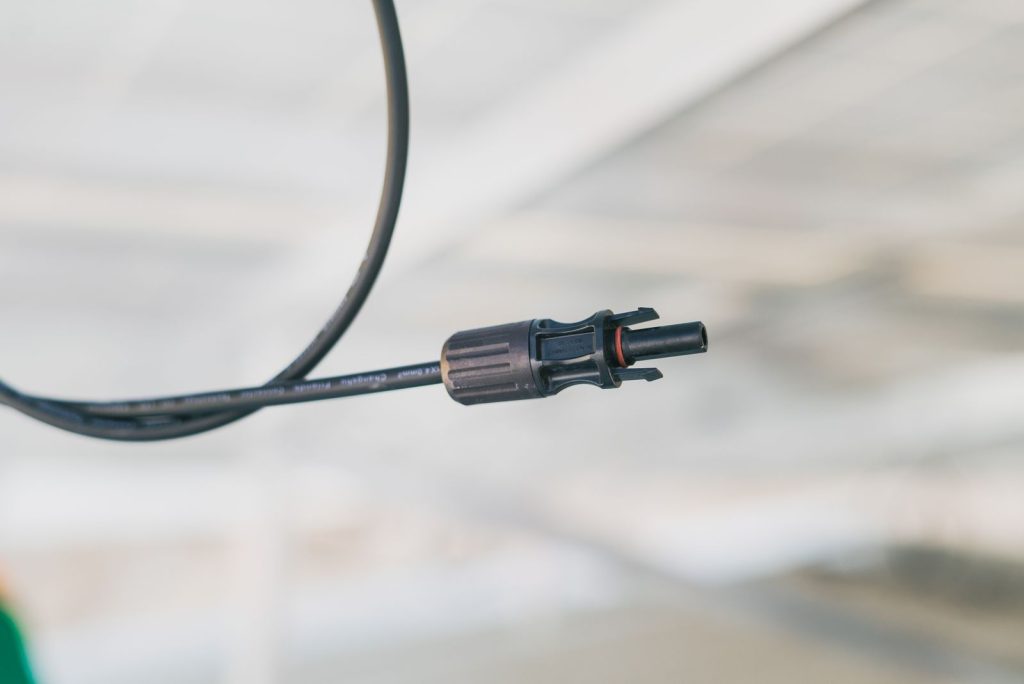
The stock Starlink power path goes AC in, low-voltage DC out, and for a home that’s fine. Off-grid it’s pure waste: you make 120V from a battery, then the brick turns it back down to what the dish actually wants. A DC cable cuts out that round trip. We’ve rebuilt the run from the battery forward on a camper, a boat, and a shed, and once you’ve got a properly fused DC feed you stop thinking about the brick at all.
This isn’t about buying one magic cable. It’s about building a short, protected, water-tight DC path that ends at the dish with the right connector. Most of the parts cost pocket change. The skill is in matching connectors, sizing wire for the length, and putting a fuse where it actually protects something. Do that and the dish sees clean volts no matter what the battery is doing.
What a bypass run needs
Three things: a cable whose end matches your dish model, wire heavy enough that voltage doesn’t sag over the run, and a fuse at the source. Add a fourth if the cable goes outside — weatherproofing at every joint, because a wet connector is a slow death. We’ve watched a perfectly good DC run corrode at a single exposed joint and start dropping the dish a month later. The electronics never failed; the connection did. Treat the whole path as one system and inspect the ends first when something goes wrong.
| Product | Best For | Key Features | Price |
|---|---|---|---|
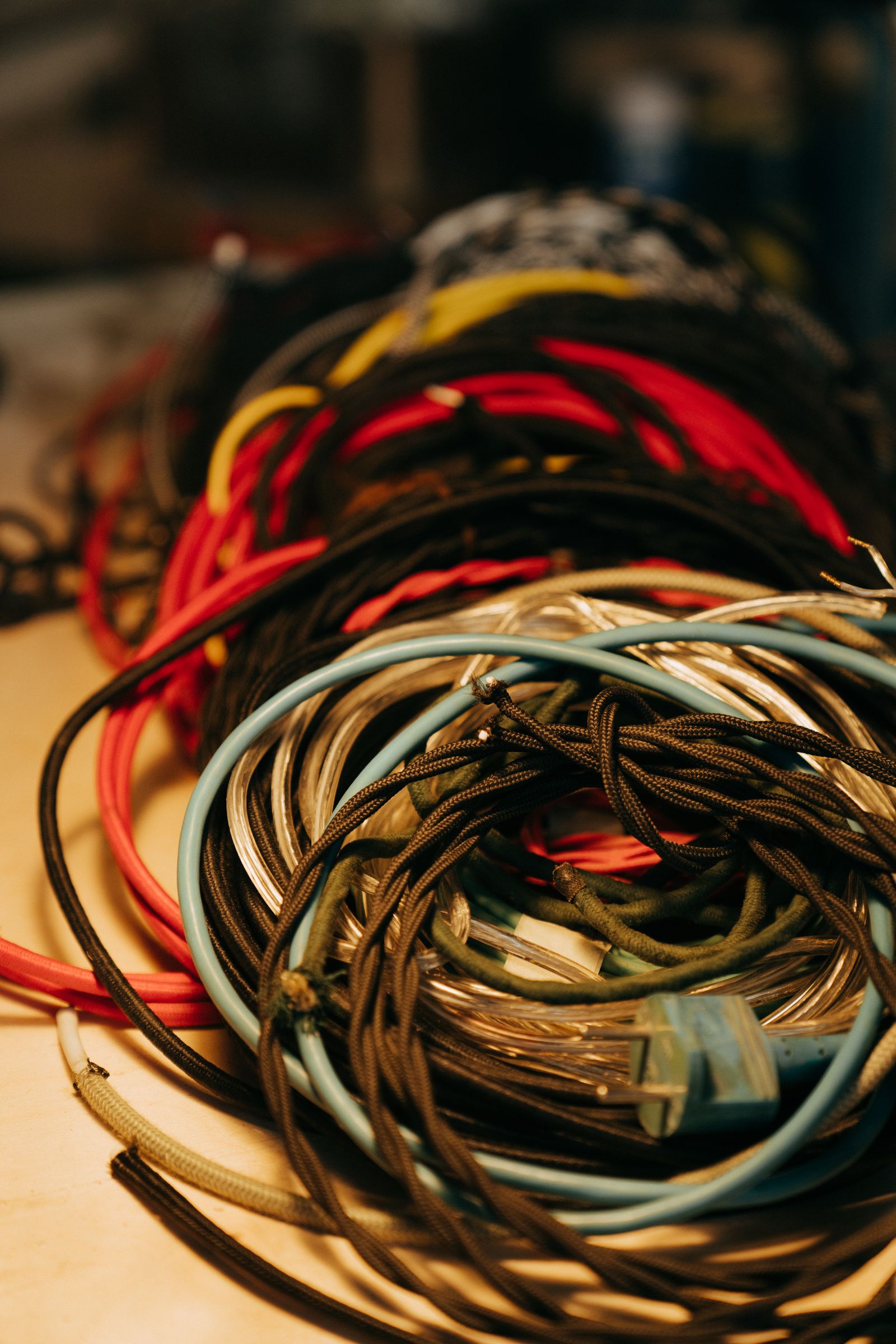 |
OEM-Style DC Barrel Cable |
|
Check Price on Amazon |
 |
16AWG Pure-Copper Cable |
|
Check Price on Amazon |
 |
Anderson Powerpole Connectors |
|
Check Price on Amazon |
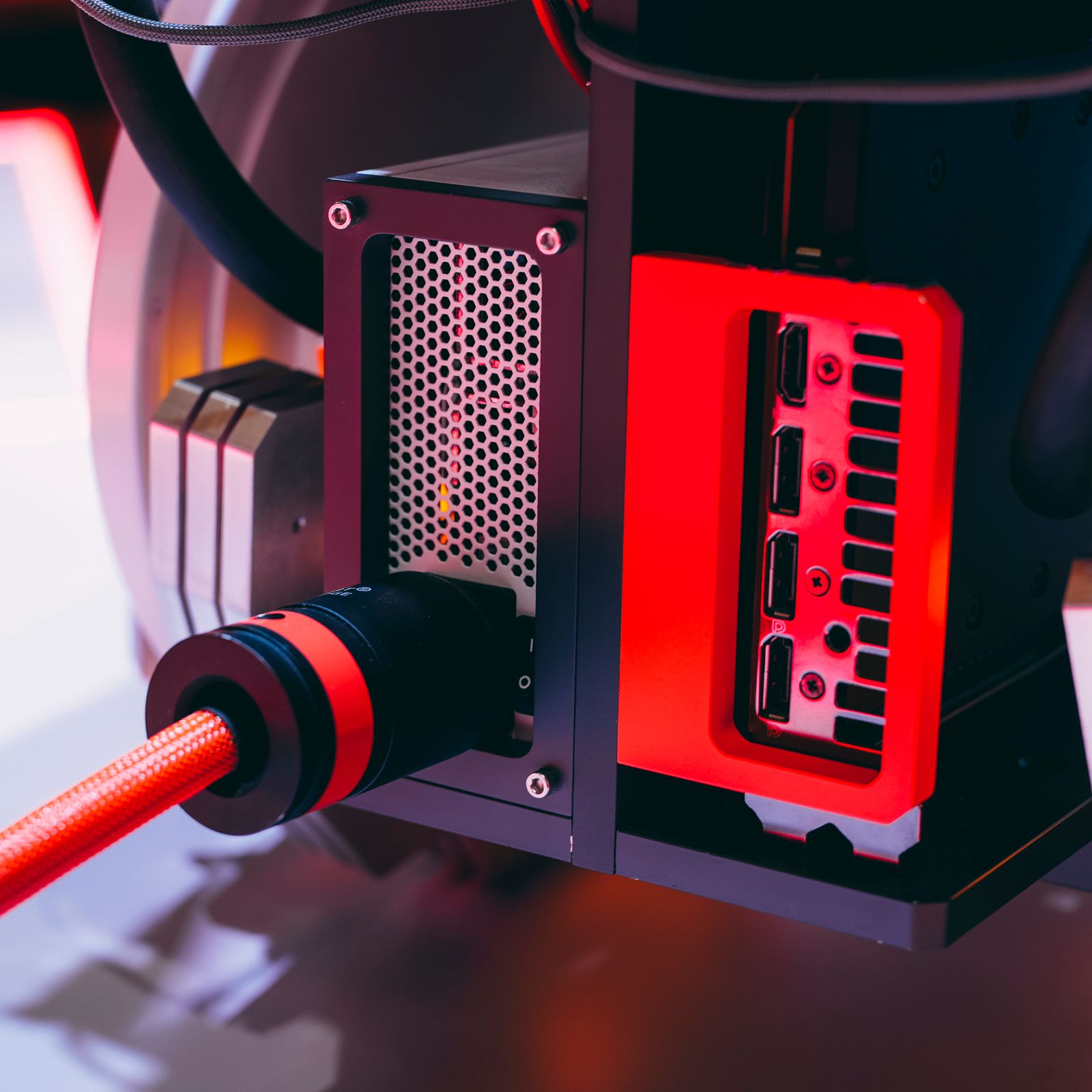 |
Waterproof DC Extension Cable |
|
Check Price on Amazon |
 |
Inline Fuse Holder (ATC/Blade) |
|
Check Price on Amazon |
1. OEM-Style DC Barrel Cable
A drop-in barrel cable is the closest thing to a factory part for going DC. It ends in the connector your dish expects and a pigtail you can land on a battery, so you’re not cutting the stock cable or splicing into a proprietary end. We keep one as a spare even on AC setups, because a spare cable on a trip beats a dead dish on a trip.
The catch is barrel sizing. “Barrel” isn’t a single size — outer diameter and inner pin diameter both vary, and a plug that fits loosely will arc, heat, and drop the connection. Match the barrel exactly to your model before you buy, and if the plug slides in with no resistance, it’s the wrong one. Short runs also beat long ones here, because a coiled barrel cable of unknown gauge can lose meaningful voltage before the dish ever sees it.
Liked: drop-in DC replacement, no soldering to the dish end, easy to keep as a spare. Catch: barrel sizes vary and a loose fit is a real fault. Check the exact dimensions, and confirm polarity with a meter before the first plug-in.
See DC barrel cables on Amazon →
2. 16AWG Pure-Copper Cable
When you’re extending the DC run, the wire itself matters more than any connector. Pure copper, 16 gauge or heavier, is the honest choice. A lot of cheap “16 gauge” is copper-clad aluminum — CCA — which looks like copper, costs less, and carries the same current with more resistance, so your dish sees less voltage at the far end.
Voltage drop is the whole reason to care. Every foot of cable resists current a little, and the loss adds up over length. If the run is long or the gauge is thin, the Mini or Standard dish may brown out under load and reboot, which reads as a satellite glitch but is really a wire problem. Copper, sized up for length, fixes it. And terminate properly — solder or a correct crimp, never a twisted-and-taped splice that loosens with vibration.
Liked: copper, not CCA; less drop over length; predictable. Catch: you have to size up for long runs, and you have to terminate it right. A good crimp outlasts a bad solder joint, and both beat a twist. Buy a little extra and leave yourself a drip loop’s worth of slack.
Compare pure-copper DC wire on Amazon →
3. Anderson Powerpole Connectors
Powerpole is the unofficial standard of the off-grid world, and once you’ve used them you understand why. They’re genderless, so any Powerpole mates with any other in the right orientation. They’re keyed, so you can’t reverse polarity by accident. And they connect one-handed with a firm push and a positive lock — the opposite of a barrel plug that relies on spring tension.
The one thing to get right is the crimp. Powerpole contacts are meant to be crimped with the correct die, and a smash-with-pliers job will pass current until the day it doesn’t. Do it properly and these connectors live for years of vibration and weather. We standardize on a single color scheme — red positive, black negative — across a whole vehicle so any lead can plug into any outlet without a second thought.
Liked: genderless, keyed, fast to connect, holds under vibration. Catch: crimp with the right tool or don’t bother. Also pick one color convention and stick to it, because a keyed connector only protects you if you wired it the way you think you did.
See Powerpole kits on Amazon →
4. Waterproof DC Extension Cable
Any DC run that leaves the dry part of a vehicle needs waterproofing at the joints, and a purpose-built extension cable with IP-rated connectors saves you from improvising. The sealed barrel joins keep moisture out of the pins, and the molded ends resist the pull and flex that eventually kill a hand-made splice.
Even with a rated cable, add a drip loop wherever it enters a wall, a locker, or a cabin. Water doesn’t respect a gasket if it’s pooling right above it — a low loop just past the entry lets gravity do the work. And check the current rating on the extension before you trust it; a cable thin enough to lose voltage under load will undo the benefit of going DC in the first place. Rated for weather is not the same as rated for current.
Liked: IP-rated joins, molded ends, keeps moisture out of the line. Catch: still add a drip loop, and verify the amp rating matches the dish’s draw. Weatherproofing protects the connection from water, not from being undersized.
Compare waterproof DC cables on Amazon →
5. Inline Fuse Holder (ATC/Blade)
An inline blade fuse holder is the least expensive part on this list and the one that saves the most. Fit it within inches of the battery on the positive lead, and every inch of cable downstream is protected. Skip it and the first short turns the wire into a heating element — we’ve seen the smell and the melted jacket, and it costs far more than a fuse holder.
Blade fuses are cheap, available at any auto parts counter, and easy to swap in the dark. Keep a small pouch of spares onboard; a nuisance trip on a long drive is a five-second fix if you have a replacement and a twenty-minute delay if you don’t. Never fuse the ground lead — the fuse belongs on the hot side so it can actually interrupt a fault. Size it above the dish’s running draw and below the cable’s rating, and the whole run is safer.
Liked: pennies of protection, protects the entire run, easy to replace. Catch: it only works if it’s close to the source and correctly sized. Fuse the positive, keep spares, and label the holder so you know its rating without a flashlight.
See inline fuse holders on Amazon →
Barrel sizes are not universal
If there’s one thing we’d tattoo on every off-grid Starlink owner, it’s this: measure your barrel connector. The plug has two dimensions that matter — outer diameter and the inner pin diameter — and both vary between models and even between aftermarket suppliers. A plug that fits loosely will arc under load, and arcing means heat, and heat means a connector that fails at the worst moment.
The test is simple. A correct barrel plug seats with a firm, definite feel and doesn’t spin. If it wobbles, it’s wrong even if it makes contact right now. Buy from a seller who lists the exact dimensions, keep the receipt, and sanity-check the fit before you trust a long run to it.
Crimp or solder (and why it matters)
A proper crimp is the better joint for anything that moves or vibrates. The crimp cold-welds the wire to the terminal and leaves a slightly flexible zone that survives flexing. A solder joint is electrically excellent but can wick solder up the strands and create a stiff point that cracks under vibration. We crimp on vehicles and boats, and solder only where the joint will sit still.
Whichever you choose, support the joint. Heat-shrink tubing with adhesive inside seals the connection and adds strain relief at the same time. A bare, taped splice is the joint that fails first, usually in the rain, usually far from home.
Comparison
| Part | Role in the run | Where it goes | Watch out |
|---|---|---|---|
| DC barrel cable | Dish-side connector | At the dish | Barrel size must match |
| 16AWG copper wire | Carries the current | Along the run | CCA vs copper, length |
| Powerpole connectors | Reusable joints | Anywhere you split | Crimp die, color convention |
| Waterproof extension | Outdoor-safe length | Exterior runs | Amp rating, drip loop |
| Inline fuse holder | Fault protection | Near the battery | On positive, right size |
FAQ
Can I just cut the stock cable to save money? You can, but you’d better know exactly what’s inside and get the splice sealed. A proprietary cable has thin conductors and a specific shield, and a clumsy cut can damage the very thing you were trying to reuse. A purpose-made DC cable is usually the cheaper path once you count the risk.
How do I know if I have too much voltage drop? Put a meter at the dish end while the dish is up and running. If you’re meaningfully below the source voltage, the run is too long or too thin. Step up a gauge and shorten where you can.
Do I need the fuse if the battery has one? A battery-side breaker doesn’t protect the length of cable between it and the dish. The inline fuse near the source is what keeps a short from cooking the wire, so fit it even if the battery has protection of its own.
Are Powerpoles overkill for one device? Maybe, but they future-proof the rig. One convention across the vehicle means adding the next device is a plug, not a project. We’ve never regretted standardizing on them.
Our pick
For a clean, permanent bypass we’d build around pure-copper 16AWG wire with Powerpole connectors at every split and an inline fuse holder at the battery. That trio covers current, connection, and protection in one go.
If you’d rather not build anything, start with an OEM-style DC barrel cable and a fuse. It’s the shortest path off the brick, and you can upgrade the rest later once you know your run length.