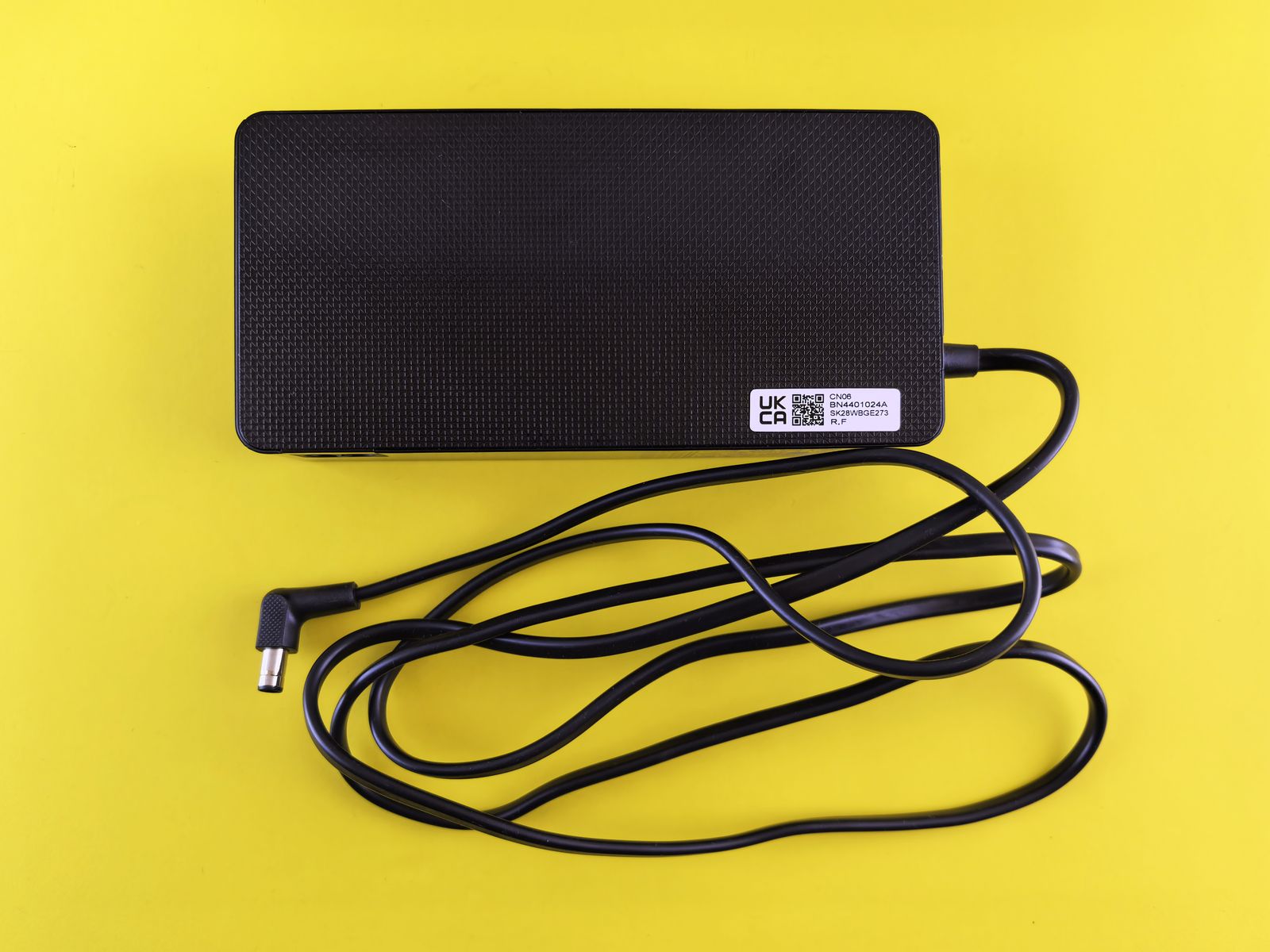
The Mini is the one Starlink model that really wants DC. It ships with a wall brick, but the whole reason the small dish exists is that you can run it straight off a car socket, a boat battery, or a 12V box without inverting to 120V AC and paying the heat tax. We’ve powered Minis from cigarette lighters, XT60 leads, Anderson plugs, and plain battery boxes in everything from a sedan to a sailboat, and the failures are always the same three: a socket that lets go, wiring that’s too thin, and a fuse that wasn’t there.
None of this gear is glamorous, and that’s the point. A 12V Mini setup that works is just a tight connection, fat-enough wire, and a fuse near the source. The dish pulls roughly four to five amps at 12V in steady use, with a bigger surge on a cold boot. That’s car-accessory territory, not industrial, but the connectors people grab for car accessories often weren’t built to be leaned on for hours. Give the path a little headroom and the Mini runs all day.
What a 12V Mini setup needs
Four things, roughly in order of how often they cause trouble: a connection that stays put, wire heavy enough to keep voltage up at the dish, a fuse within inches of the battery, and a source that can hold near 12V under load. Most “my Mini keeps dropping” sessions we’ve chased ended at a wiggly socket or a skinny cable, not at the satellite. The electronics are fine. The plumbing between battery and dish is where the trouble lives, so build that part like you mean it and the rest gets easy.
| Product | Best For | Key Features | Price |
|---|---|---|---|
 |
12V Cigarette-Lighter Adapter |
|
Check Price on Amazon |
 |
XT60-to-DC Power Cable |
|
Check Price on Amazon |
 |
Fused DC Distribution Block |
|
Check Price on Amazon |
 |
Panel-Mount 12V Socket / Anderson |
|
Check Price on Amazon |
 |
LiFePO4 Battery Box with 12V Out |
|
Check Price on Amazon |
1. 12V Cigarette-Lighter Adapter
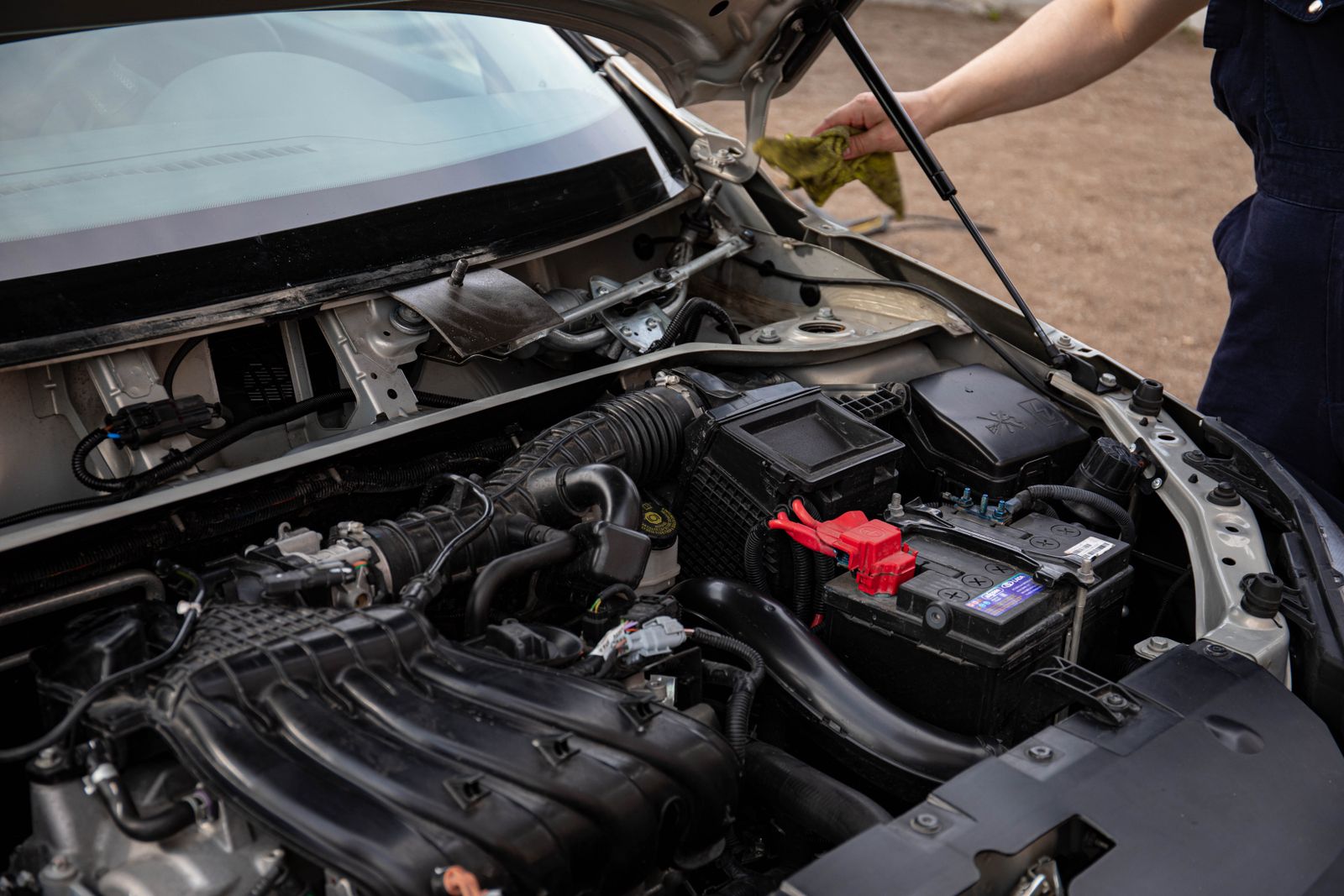
The simplest possible answer: a cable that plugs into the vehicle socket and feeds the Mini directly, skipping the AC brick entirely. We keep one in the glovebox. For a road trip or a quick dash installation it’s the least fuss — no inverter, no extra box, just the socket you already have and a lead that ends at the dish plug.
Two things bite people here. First, the amp rating. A cheap adapter might be fused for three or five amps, and the Mini’s boot surge can pop a low fuse or, worse, heat a thin plug over time. Second, loose contact. Vehicle sockets vary in diameter from car to car, and a plug that wiggles causes dropouts that look exactly like a satellite problem until you notice the dish reboots every time you hit a bump in the road.
Liked: cheap, no inverter, works anywhere there’s a 12V socket. Catch: sockets are the weak link. Check the fuse rating before you trust it, and if the plug rattles, swap to a locking style or add a dab of dielectric grease. After an hour, feel the plug — pleasantly warm is fine, too hot to hold is a warning.
See 12V socket adapters on Amazon →
2. XT60-to-DC Power Cable
If your power source is a lithium bank, an XT60 lead is the grown-up version of the cigarette plug. XT60 is native on a huge share of LiFePO4 batteries and solar generators, and it locks in with a firm push instead of relying on spring tension. We’ve run a Mini across washboard dirt roads on an XT60 without a single reboot.
The caution is the pinout. XT60 has a defined positive and negative, but the cable on the far end — the barrel or proprietary plug that reaches the dish — can be wired either way depending on who made it. Confirm polarity with a meter before you plug anything into a $600 dish. Reversed leads are the fastest way to turn a good cable into a paperweight, and no fuse will save a device from crossed polarity.
Liked: locks in, won’t vibrate loose, native on most battery banks. Catch: get the pinout right, and always fuse the positive lead within a few inches of the battery. A short, oversized cable here also runs cooler and drops less voltage than the coiled adapter it replaces.
See XT60 DC cables on Amazon →
3. Fused DC Distribution Block
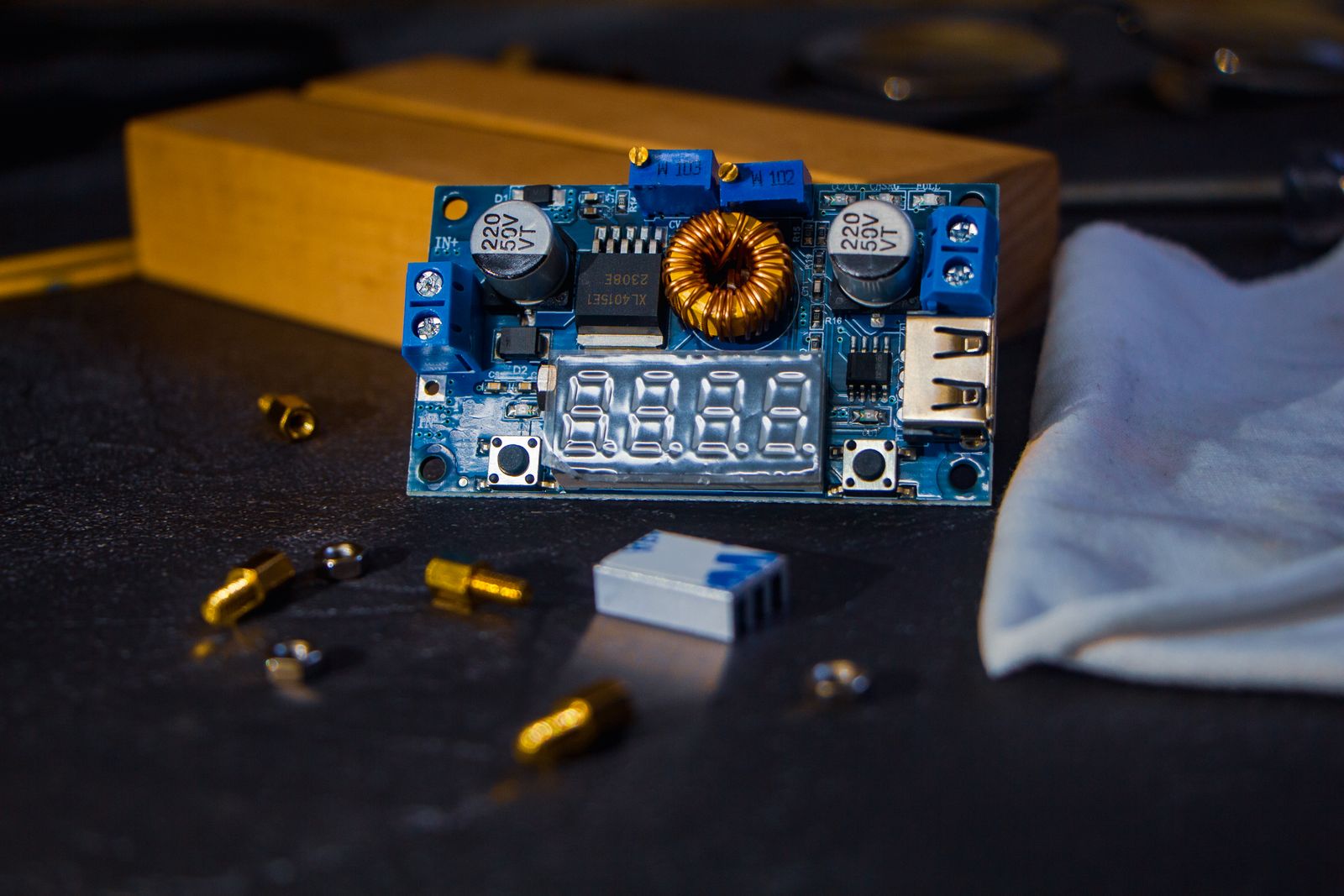
Once you’re running more than one 12V device — the Mini plus a router, a light, a fan — a fused distribution block turns a rat’s nest into a busbar. One heavy feed comes in from the battery, and each device gets its own fused output you can pull or replace without unwiring the whole run.
The real value is protection. A block with individual blade fuses means a fault in one circuit pops one five-cent fuse instead of cooking the wire or the device. We size each fuse to the device, not to the block, so the Mini gets its own 10A slot and nothing else shares it. Labels matter more than people admit: sharpie on masking tape fades, so use real labels and you’ll thank yourself the first time something trips at night.
Liked: one feed, several fused outputs, protects the dish from surges upstream. Catch: it only helps if you actually fit the right fuse — an undersized fuse nuisance-trips, an oversized one protects nothing. Cheap insurance for a $600 dish, and it makes future additions trivial.
Compare fused distribution blocks on Amazon →
4. Panel-Mount 12V Socket / Anderson
A panel-mount socket or an Anderson SB50 turns a hole in a dash or a wall into a clean, permanent power point. Instead of a plug dangling from a socket that never quite fits, you get a fixed connector with a defined plug and a positive lock. We mount these on vehicle dashes, camper walls, and boat bulkheads, and they outlast every loose adapter we’ve tried.
Anderson SB50 is the pick when current is higher or when you want a connector that can’t be plugged in backwards. It’s genderless and keyed, so a lead can go either way without hurting anything, and it holds under vibration. A panel socket is simpler and cheaper for lighter loads. Either way, match the plug to the load: a 15A socket on a circuit that can push more than that just moves the weak point without fixing it.
Liked: clean install, positive lock, no wiggle. Catch: you’re cutting a hole, so measure twice. Behind the panel, keep the wire gauge up and add strain relief so the connector isn’t carrying the cable’s weight. Do that and this is a once-and-done upgrade.
See panel sockets and Andersons on Amazon →
5. LiFePO4 Battery Box with 12V Out
The lazy, reliable option: a self-contained battery box with a 12V output, USB ports, and often an Anderson socket, all built into a plastic case with a handle. You charge it at home, carry it to the field, and the Mini plugs straight in. No wiring, no crimping, nothing to get wrong on site.
For a day trip or a tailgate, this is the fastest path to a working Mini. The catch is the BMS. Every box has a battery management system that caps how much current it will deliver, and some low-cost boxes limit the 12V port to a lower rating than the battery itself could give. If the Mini’s boot surge trips that limit, the box shuts off and restarts — which looks like a flaky dish. Read the port rating, not the battery capacity.
Liked: all-in-one 12V source, carry it instead of wiring it, USB and 12V and Anderson out together. Catch: watch the BMS amp limit, and remember the whole box is only as good as the 12V port’s fuse. A mid-size box runs a Mini for hours; pick capacity to match the trip, not the brochure.
See battery boxes with 12V out on Amazon →
Do the amps math before you buy connectors
The Mini is forgiving but not weightless. Budget five amps at 12V in use and a bit more on startup. That matters because a connector rated for five amps is running right at its limit, and heat is cumulative — a plug that’s fine for ten minutes is a liability for six hours. When in doubt, buy the next size up. A 15A socket carries a five-amp load all day without breaking a sweat.
Watts give you the runtime picture. Five amps at 12V is roughly 60 watts, so a 300Wh battery box runs the Mini for four-ish hours in ideal conditions, less once you count the dish’s dips into higher draw during acquisition. We plan on about three hours of real runtime per 300Wh to keep expectations honest, then carry a charger.
Voltage drop is the quiet killer
A Mini that boots but won’t stay locked is often seeing less than 12V at the dish because the run is too long and the wire too thin. Every foot of undersized copper eats voltage, and a long coiled adapter is the worst offender because the cable is long and the conductors are tiny. Shorten the run, fatten the gauge, and the dish gets the volts it wants.
As a rule, keep 12V runs under about ten feet at 16 gauge, and step up to 14 or 12 gauge beyond that. If you’re paralleling into a long house run, size for the round trip, not the one-way length. Copper, not copper-clad aluminum, and soldered or crimped joints rather than twisted-and-taped. Twisted wire works right up until the first bump.
Polarity, fuses, and the mistakes that cost real money
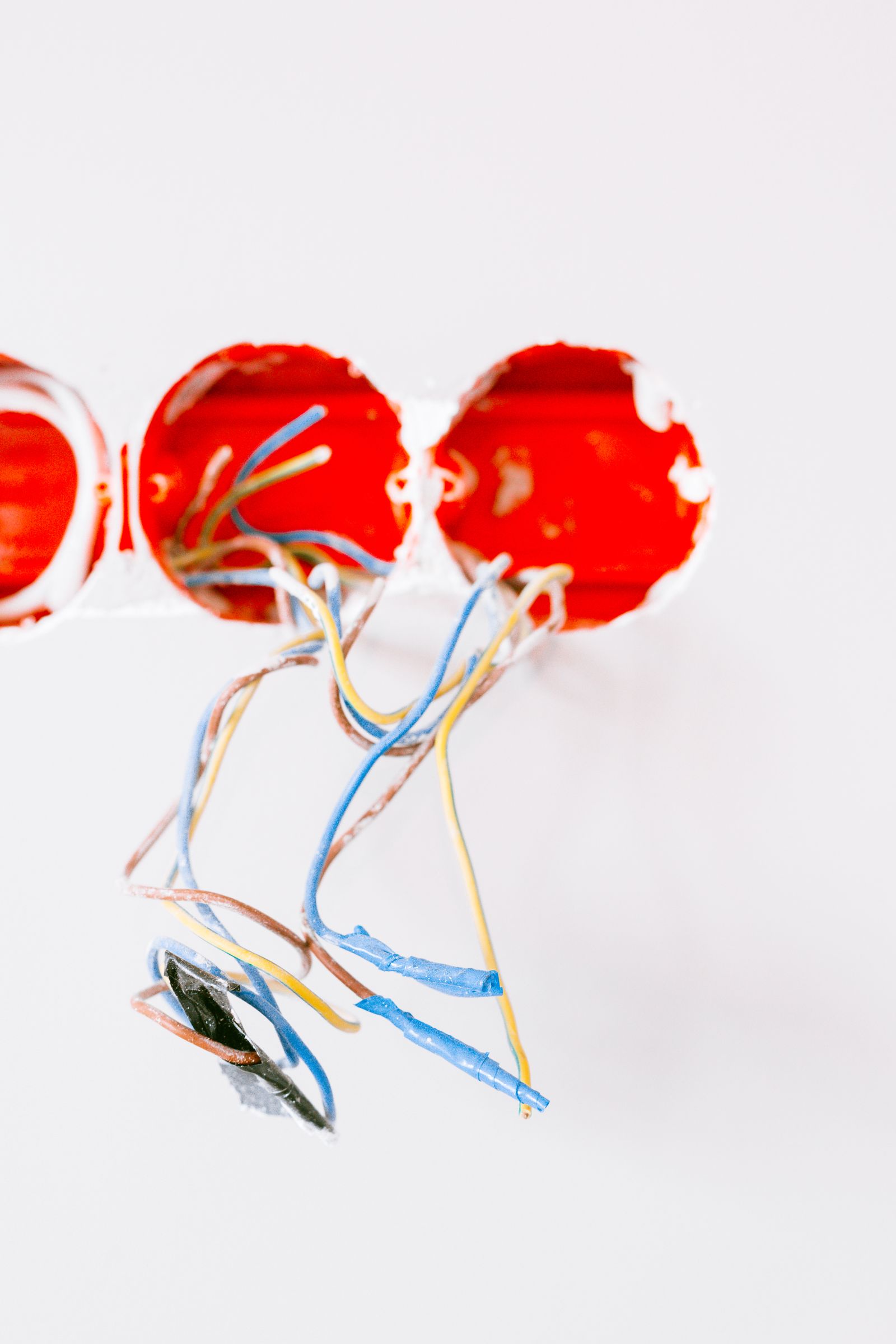
Two rules cover most disasters. Fuse the positive lead within inches of the battery — that way, a short anywhere downstream pops the fuse instead of melting the wire. And never assume polarity; meter every new cable end before it touches the dish. Reversed polarity bypasses every protection you own, because it flows the wrong way through the electronics.
Beyond those, good habits pay off. Use a locking or positive-lock connector where things vibrate. Add a drip loop anywhere the cable enters a vehicle or building so water runs off instead of into the connector. Label circuits once and never guess again. None of it is hard; it’s just the difference between a Mini you trust and one you keep re-seating.
Comparison
| Option | Best for | Typical current | Watch out |
|---|---|---|---|
| 12V cigarette-lighter adapter | Quick car use | ~5A | Loose sockets, low fuse |
| XT60-to-DC cable | Lithium banks | ~5-10A | Pinout and fusing |
| Fused distribution block | Multi-device rigs | Rated per slot | Correct fuse size |
| Panel-mount socket / Anderson | Permanent installs | 10-50A | Hole size, strain relief |
| LiFePO4 battery box | Portable day trips | Per BMS limit | 12V port amp cap |
FAQ
Can I run a Mini off a 12V socket without an inverter? Yes, and you should. The Mini takes DC natively, so going to AC and back wastes power as heat. Feed it clean 12V over a socket or XT60 and skip the brick entirely.
What fuse size does a Mini need? Ten amps is a comfortable, common choice for a single feed. It sits above the Surge and below anything that would threaten the wire. Fit it within inches of the battery so the whole run is protected, not just the last foot.
Why does my dish reboot when I start the engine? Voltage sags during cranking can drop below what the Mini needs, so it browns out and restarts. Running the dish off a separate house battery, or adding capacitance, usually ends the reboots. It’s a supply problem, not a dish problem.
Is 16 gauge wire enough? For short runs, yes. Past ten feet, step up to 14 or 12 gauge so voltage reaches the dish. Measure at the plug, not the battery, and let the number decide.
Our pick
For a permanent vehicle or camper install, we’d start with a panel-mount socket or Anderson paired with a fused distribution block. That combo gives you a fixed connection, a fuse per circuit, and room to add the router later. It’s the setup we’ve re-used across three vehicles.
For portable and quick trips, a LiFePO4 battery box wins on simplicity — charge it, carry it, plug in. Whatever you choose, fuse the positive lead and check polarity once; those two habits prevent nearly every failure we’ve seen.