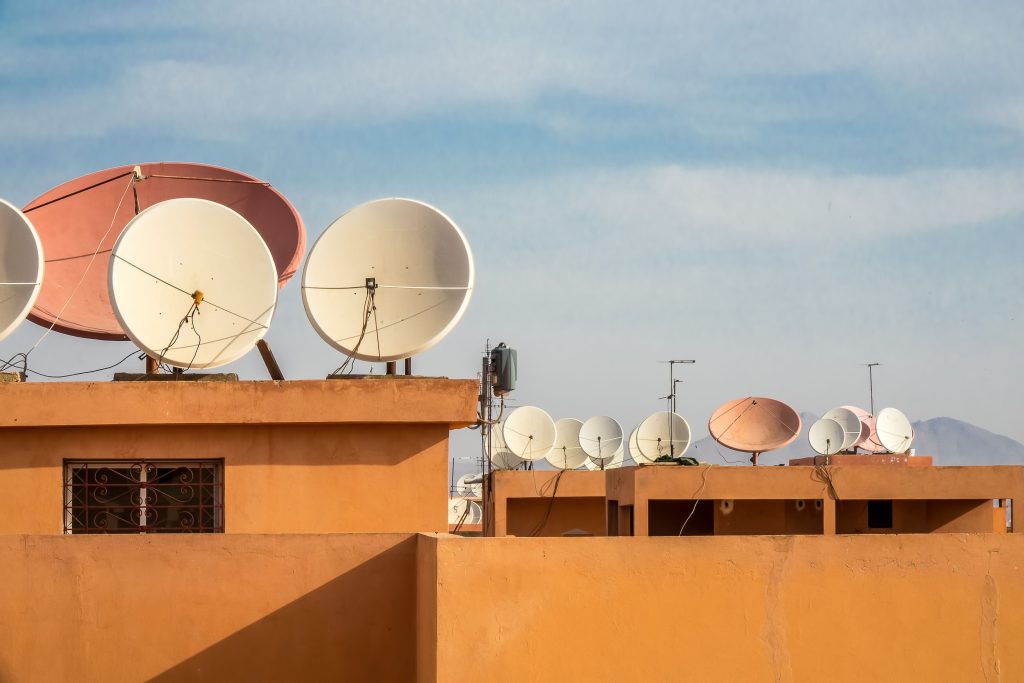
Wall-mounting a Starlink sounds simple until you’ve patched two wrong holes in fascia board. We’ve put the dish on three different houses and a cabin, and the difference between a mount that disappears into the siding and one that rips out in the first storm is entirely in the backing and the bracket. Here’s what we’d bolt to our own wall again.
This isn’t about the cheapest bracket. It’s about the one that holds a $600 dish through a winter and doesn’t leave you on a ladder with regret.
What the dish needs from a wall mount
The Gen 2/3/4 dish is light, but it’s a sail in wind, and the cable exits the back, so the mount has to clear the wall enough for the plug and any weatherproofing. Most failures we’ve seen are either (a) bracket too short, cable kinks, or (b) mounted to siding only, no stud, and the siding tears. Get those two right and almost any bracket works.
| Product | Best For | Key Features | Price |
|---|---|---|---|
 |
Official Starlink Wall Mount |
|
Check Price on Amazon |
 |
Universal J-Mount + Pipe Adapter |
|
Check Price on Amazon |
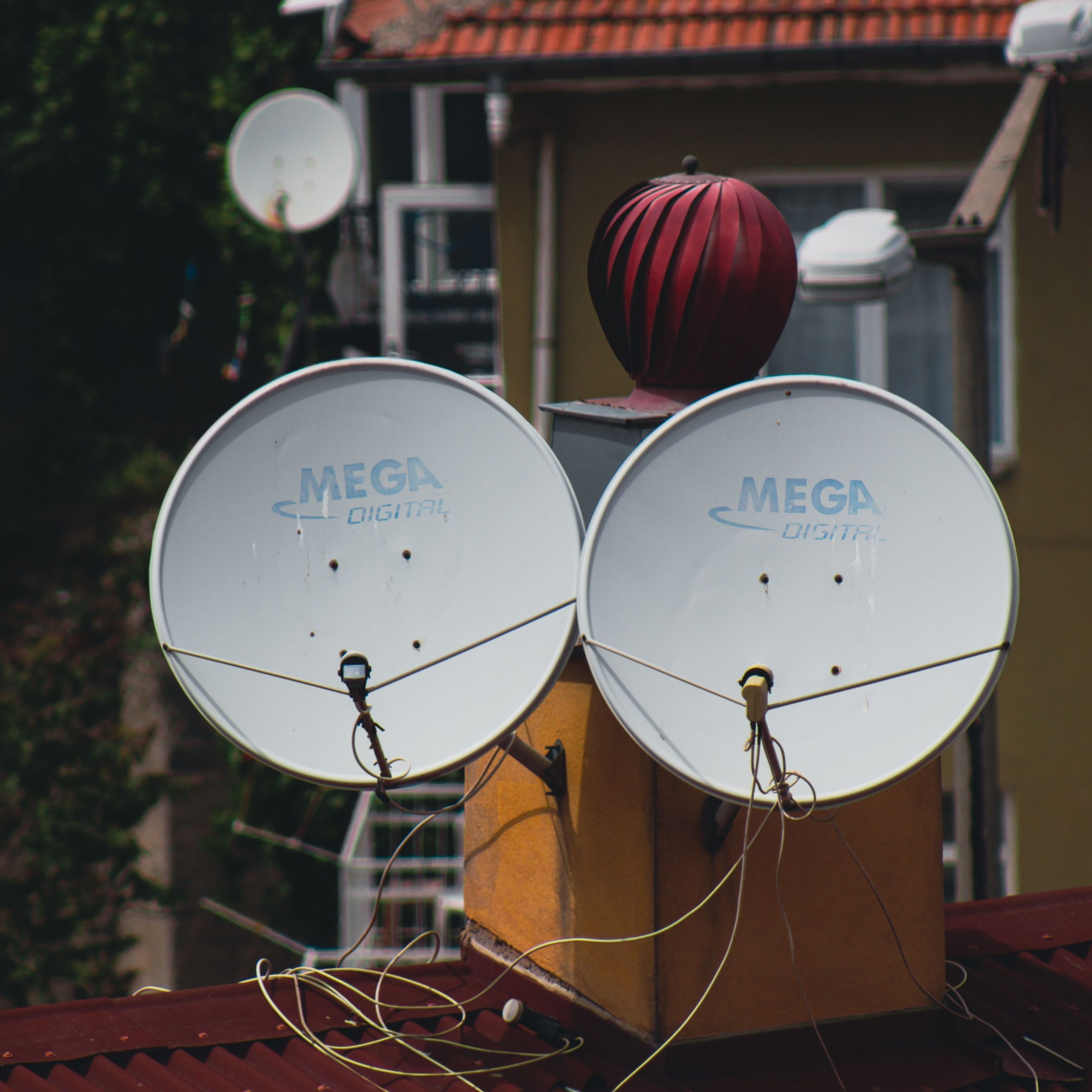 |
Eave / Soffit Mount |
|
Check Price on Amazon |
 |
Siding-Mount Plate (Vinyl / Wood) |
|
Check Price on Amazon |
 |
UbetteMount Heavy Wall Plate |
|
Check Price on Amazon |
1. The official Starlink wall mount
Starlink sells a short wall mount (the “Universal” / pipe adapter plus a wall bracket in some kits). It’s fine on a stud, painted to match, and low-profile. We used it on a cabin gable and forgot it was there.
Liked: OEM fit, clean look, cheap. Catch: short — if your wall has deep trim or you need to clear an overhang, the cable barely reaches. And it assumes you hit a stud or use serious anchors.
Check the official wall mount on Amazon →
2. Universal J-mount / satellite mast bracket
The old-school satellite-TV J-mount is the unsung hero here. It’s a 1″–1.5″ mast on an L-bracket you can screw into a stud or a rafter tail. Pair it with a pipe adapter and you’ve got a rigid arm that clears trim and puts the dish proud of the wall.
Liked: rigid, cheap, clears trim, reusable on the next house. Catch: it’s a mast, not a flush mount — more visible than the official stub, and you’ll want to paint it.
See J-mount brackets on Amazon →
3. Eave / soffit mount
For houses where the roofline blocks the southern sky, an eave mount drops the dish below the gutter on a short arm. We used one where a wall mount would’ve pointed straight into a ridge. The trick is a solid connection to the fascia blocking, not just the fascia board.
Liked: gets the dish clear of roof shadow. Catch: fascia is often thin; you need to hit the backing or use through-bolts. Skip the screw-into-softwood version.
4. Siding-mount plate (vinyl / wood)
If your wall is vinyl or thin wood, a wide backing plate spreads the load so the siding doesn’t tear. Several third-party makers sell a Starlink-specific plate with the mast collar built in. We put one on a vinyl-sided shop and it’s been through two winters without movement.
Liked: saves your siding. Catch: wider footprint, more visible, and you still want at least one fastener into structure.
Compare siding plates on Amazon →
5. UbetteMount heavy wall plate
The overbuilt option — a thick steel plate with a wide base and stainless hardware. We used it where we didn’t trust the wall (old cabin, unknown studs) and it let us bolt across two points. Overkill until the day it isn’t.
The two mistakes that cost us
Siding only, no stud. The dish survived a calm month, then a gust and the bracket peeled the vinyl. Through-bolt or hit structure. Always.
Cable kink at the wall. A too-short bracket crushed the cable where it exits. Give it two inches of clearance and a drip loop, or you’ll chase intermittents forever.
Comparison
| Mount | Best for | Structure needed | Look |
|---|---|---|---|
| Official wall mount | Clean, stud-available | Stud or anchors | Flush |
| J-mount | Clearing trim | Stud/rafter | Arm (paint it) |
| Eave mount | Roofline shadow | Fascia backing | Low arm |
| Siding plate | Vinyl/thin wood | Spreads load | Wide plate |
| UbetteMount | Questionable wall | Two bolts | Industrial |
FAQ
Can I mount to vinyl siding? Yes, with a backing plate or through-bolts to structure. Screwing the bracket into the vinyl alone is how dishes end up in the yard.
How high should it be? High enough to clear the roof and any obstruction in the dish’s view (use the app’s check). Usually just above the eave. Don’t mount so high you can’t reach the cable.
Do I need the official mount? No. A J-mount plus pipe adapter does the same job for less and clears trim better.
Our pick
For most homes, a J-mount with a pipe adapter is the honest winner — rigid, cheap, clears trim. Vinyl or thin walls should step up to a siding plate so the siding doesn’t pay for the mistake.